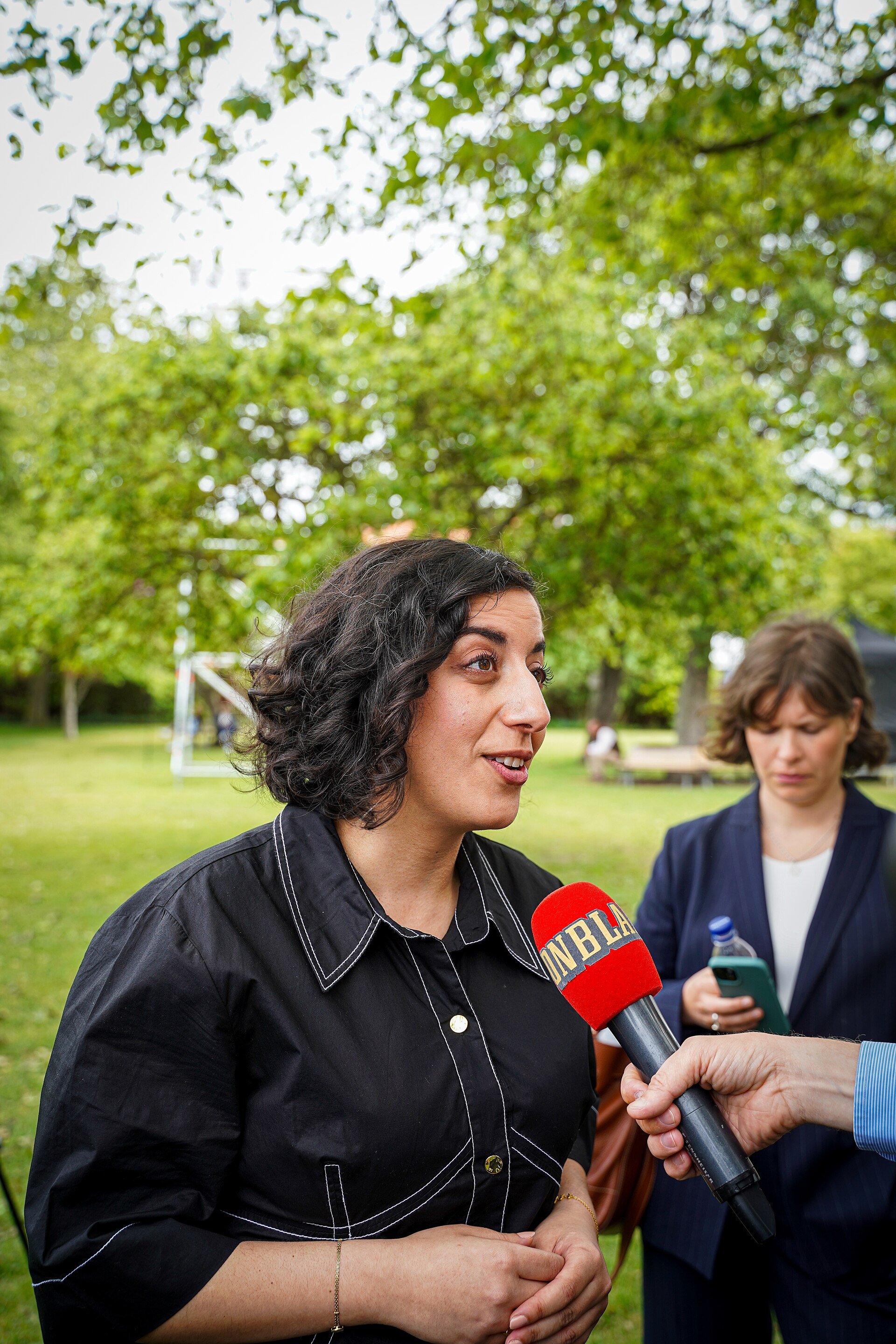
Nooshi Dadgostar: Agent Provocateur
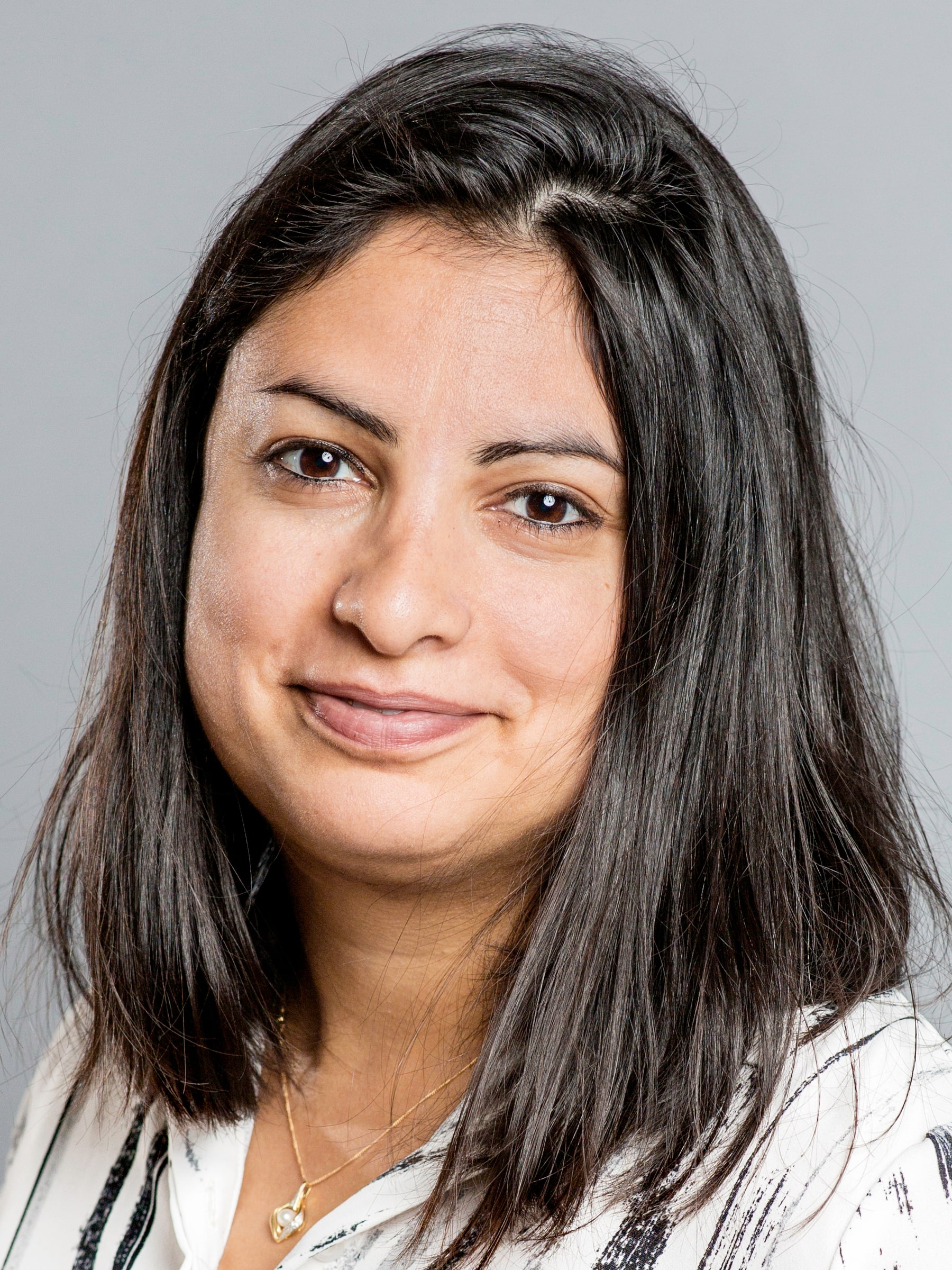
Nooshi Dadgostar understands the power of making everyone else uncomfortable. She used it less than a year after becoming Left Party leader, when she gave a Social Democratic prime minister 48 hours to retreat on market rents. Stefan Löfven refused. Dadgostar withdrew her confidence, and parliament removed a Swedish prime minister for the first time.
An agent provocateur traditionally incites others into acts that expose them. Dadgostar is no undercover operative, but the political method fits. She establishes a line, invites an opponent to cross it and forces the conflict that polite coalition management was designed to postpone. The result is not always orderly. It is rarely ignored.
Born in Ängelholm in 1985 to parents who had fled political persecution in Iran, Dadgostar grew up in Gothenburg and joined the Young Left at 14. She entered parliament in 2014, became the party's housing spokesperson and then deputy leader. When Jonas Sjöstedt stepped down in 2020, she took over a party accustomed to supporting Social Democratic governments while being excluded from their agreements with the centre.
The rent fight changed that relationship. The January Agreement between the Social Democrats, Greens, Centre Party and Liberals included a move towards freely set rents in new housing. The Left Party had warned that this was a red line. Dadgostar enforced it. The Sweden Democrats formally requested the no-confidence vote, and the Moderates and Christian Democrats joined the majority. Löfven fell, the proposal died and Dadgostar's national standing rose.
Her opponents saw recklessness: a left-wing leader joining the right and far right to topple a Social Democratic government. Supporters saw the opposite, a party finally making its votes conditional on policy. That distinction remains the core of her appeal. Dadgostar does not want the Left Party thanked for its loyalty after decisions are made elsewhere. She wants proof that its mandates alter the result.
She has now applied the same logic to the next government. The Left Party congress in April backed her demand that, if its votes are needed for a red-green majority, the party must receive cabinet posts. It will not return to life as an external support party. Dadgostar has said the opposition's four parties should discuss cooperation and even invited Centre Party leader Elisabeth Thand Ringqvist to talks. The Centre Party declined and rejects the Left in government.
The collision is deliberate. Magdalena Andersson wants maximum freedom to construct a majority after the election. Dadgostar wants to remove the option of taking Left voters for granted while governing towards the centre. By locking the demand through a congress decision and training party representatives for government, she has made retreat personally and institutionally costly.
That is provocation as negotiation. It may win ministries. It may also prevent Andersson from assembling a government.
Dadgostar's debating style serves the strategy. She is quick to identify the premise hidden inside an opponent's question, reject it and replace it with a conflict about class, wages, rents or welfare. She can be fierce, sarcastic and visibly unimpressed. Recently she has sometimes slowed the delivery into an almost studied calm, a contrast to earlier complaints that she was too loud or quarrelsome. The pressure remains even when the volume falls.
Her policy project is more focused than the theatre suggests. She campaigns on lower living costs, stronger income security, higher welfare spending, lower unemployment and protection for tenants. She has challenged the Social Democrats' restrictive migration turn, including the treatment of young people facing removal after growing up in Sweden. Ahead of this election, she is trying to join the economic populism of the old labour left with an unambiguous defence of immigrants and minorities abandoned by the centre.
The numbers offer some support. The Left Party won 6.8 per cent in 2022. Statistics Sweden measured it at 8.6 per cent in May 2026, a statistically significant increase from both the previous year and the election. July's TV4/Novus poll put it at 7.8 per cent. The party is not surging, but it enters the campaign stronger and with a clearer claim to government than it had four years ago.
Dadgostar's confrontational gifts do not excuse weak accountability. This summer, an Expressen investigation found that 25 Left candidates had praised Hamas's 7 October attacks, spread antisemitic material, questioned the Holocaust or expressed support for authoritarian regimes. Twenty-two were removed from lists or withdrew. Dadgostar called those involved a handful of deeply unsuitable people and said local vetting had failed. The Swedish Committee Against Antisemitism accused her of minimising the scale and criticised her explanation linking the background to the suffering in Gaza.
This is the strongest test of her method. An effective debater can expose exaggeration by an opponent. A responsible leader must also recognise when defensive narrowing sounds like evasion. The scandal gives rivals evidence for their argument that the Left is unready for cabinet power. Provocation cannot substitute for cleaning one's own house.
Her broad personal ratings also trail her impact. Demoskop's July measure put confidence in Dadgostar at 21 per cent, above her party's vote share but far below the leading figures. The force of a parliamentary veto can create attention that has not yet become mass trust.
Still, Dadgostar has already changed what a Left vote means. Before her, Social Democratic leaders could often expect support after negotiating policy with parties to their right. She has made that expectation unsafe. The 2021 crisis proved she was willing to accept blame for enforcing a line. The 2026 government demand tells Andersson that the price of Left seats will be paid in power, not compliments.
Sweden may need that friction. Consensus can produce durable reform, but it can also hide who repeatedly compromises and who receives the benefit. Dadgostar's democratic value is to make the bargain visible. Her danger is that exposure becomes an end in itself, leaving every actor trapped by the lines they drew.
The agent provocateur has forced the question. If the left wins, will it merely replace the ministers, or will it redistribute power inside the coalition? Dadgostar intends to make sure nobody reaches election day without answering.

DailySweden
DailySweden's desk of editors, reporters, researchers and investigative journalists. We bring readers factual, truthful and objective reporting on the issues that matter to them.
Contact the editorial desk ›