Digital welfare services risk shutting out older migrants
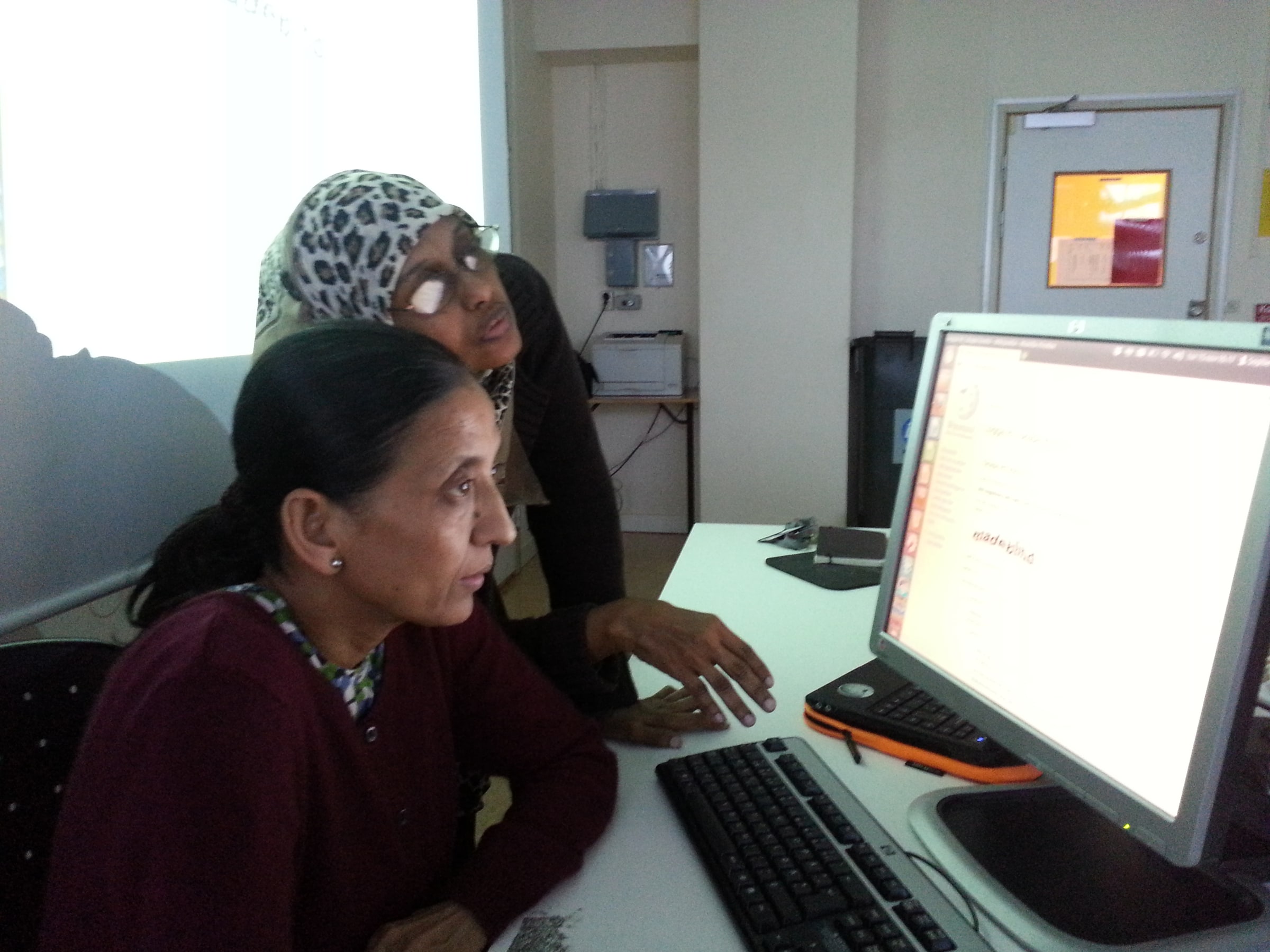
Older migrants can become dependent on relatives, interpreters or voluntary organisations to use digital public services, research involving Karlstad University finds. Language barriers and systems that overlook people’s circumstances can make access to care and other support harder.
In a radio interview broadcast on Sunday, sociologist Anna Pechurina called for digital welfare services to be better adapted. Sveriges Radio also spoke to a retired Karlstad resident, identified by the pseudonym Reza, who finds the services difficult to use.
The research findings, presented by the university in September, draw on work in Sweden, Finland and Japan. They describe barriers affecting older people with migrant backgrounds and digital care systems that do not always fit the language and social circumstances of either users or staff.
Technology also brings benefits: it helps people maintain relationships with family and friends across borders. The researchers stress that older people have different needs and resources, shaped by language, disability, income and family networks.
Their conclusion is that welfare services need to account for those differences when they are designed, or risk reinforcing existing inequalities.

DailySweden
DailySweden's desk of editors, reporters, researchers and investigative journalists. We bring readers factual, truthful and objective reporting on the issues that matter to them.
Contact the editorial desk ›