The tiny autumn menu that keeps Swedish butterflies visiting
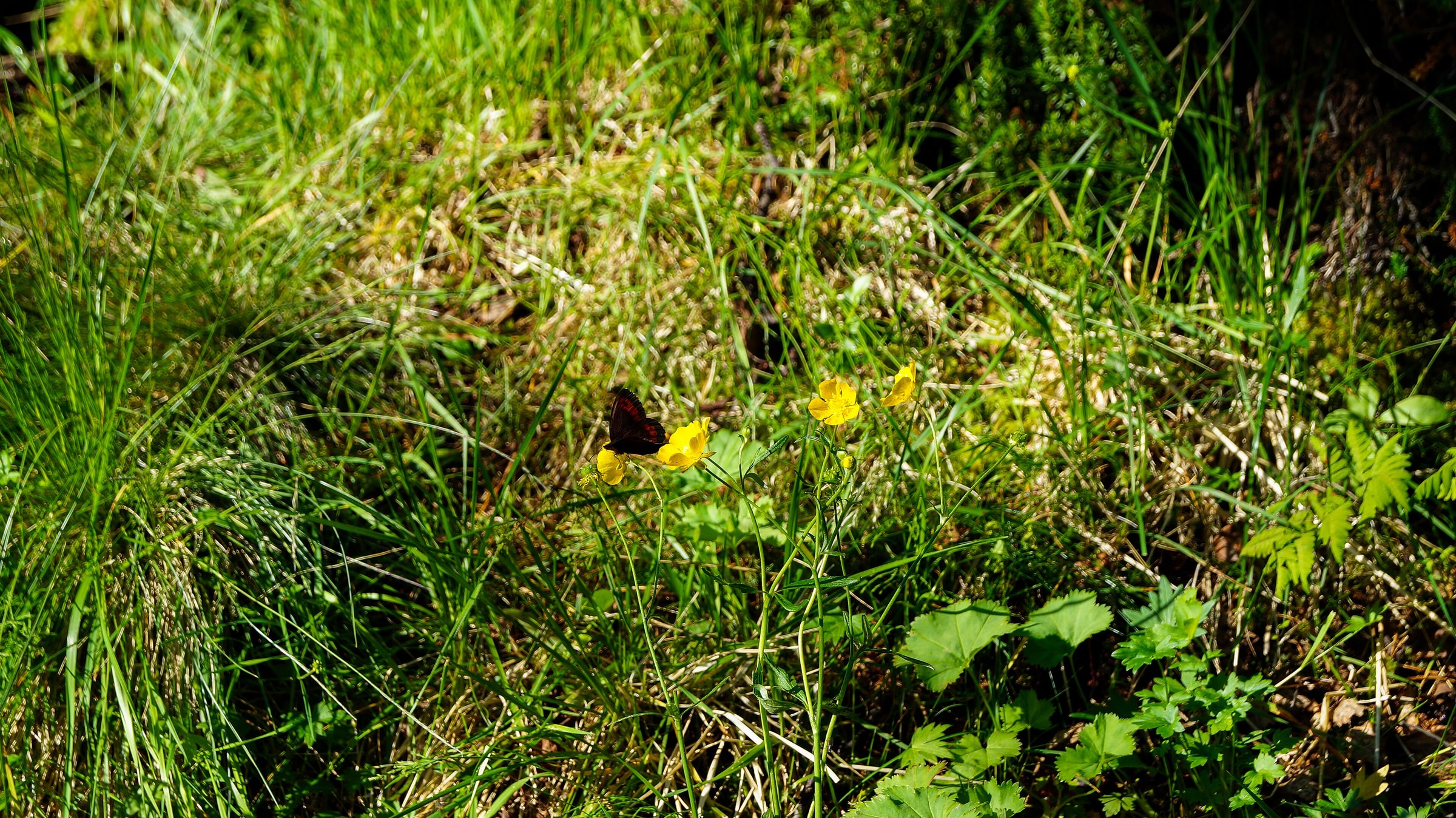
A balcony pot that looks tired after summer can still become a small lunch table for a butterfly. The pleasure is wonderfully out of proportion to the space: one bright visitor, a few minutes of stillness and an ordinary afternoon that suddenly feels observed from both sides.
That promise is timely in Stockholm this week. Skansen's Garden Days return on 5 and 6 September, bringing visitors together with gardeners, old plant varieties and the small choices that keep a garden alive into autumn. The museum's separate Butterfly Garden makes the idea concrete. It has flowering plants for nectar and leafy plants for caterpillars, and Skansen says apartment residents can begin with fragrant herbs in balcony pots.
The secret is not one miracle plant. It is a sequence of flowers that keeps something open when another plant has finished. Sweden's Environmental Protection Agency recommends choosing plants that bloom for a long time or at different points in the growing season. Its late list includes sedum, purple coneflower, autumn aster and tansy. A pot does not need all four. One healthy late bloomer in the right conditions is better than a crowded collection that gives up after a week.
Herbs can do two jobs at once. The agency's garden advice names sage, mint and thyme among plants suitable for pollinators. Naturskyddsföreningen also includes thyme, hyssop, sage, lavender and oregano among butterfly favourites. Letting some stems flower may look less neat than cutting everything back, but the open flowers are the point. Before buying, check the plant's final size, the pot's drainage and the amount of sun your balcony actually receives.
Water adds another small pleasure, provided the landing is safe. Naturskyddsföreningen's butterfly guide suggests a bowl with stones so butterflies have somewhere to sit while they drink. Keep the water shallow and top it up often. A broad saucer is easier to inspect than a deep decorative bowl, and it turns the routine into a quick daily check rather than a miniature pond nobody remembers to clean.
Flowers feed the adults, but a butterfly garden is also about the life stages that rarely make a postcard. Caterpillars eat leaves rather than nectar. Skansen keeps nettles and other host plants for that reason, while Naturskyddsföreningen notes that sunny nettles can feed several familiar species, including peacock, red admiral and painted lady butterflies. A balcony may not have room for that whole cycle. A shared yard, school garden or housing association can leave a marked patch where leaves and larvae are welcome.
The kindest approach also avoids collateral damage. The Environmental Protection Agency advises against pesticides aimed at weeds or pests and asks gardeners to prevent invasive alien plants from spreading. It recommends plants and seeds of local origin where possible. Those checks matter because a flower can be attractive in a shop and still be a poor fit for the place where it is planted.
This is less a makeover than an invitation. Keep one sunny pot blooming, let a few herbs flower, add a safe sip of water and resist treating every chewed leaf as a failure. If a butterfly arrives, it may stay only briefly. The reward is modest but immediate: colour for you and a usable meal for a passing insect. That is enough time to make a balcony feel connected to a much larger September garden.

DailySweden Lifestyle Desk
DailySweden Lifestyle Desk writes for DailySweden.
Contact the editorial desk ›