A new map shows the mushrooms hiding under Sweden's forests
Most people go mushroom picking to find something for dinner. Sweden's new online map shows how much of the forest they never see.
The map is called Svampskog. The Swedish University of Agricultural Sciences, known as SLU, launched it on 1 September. It uses DNA from forest soil to show which fungi may be living below the ground.
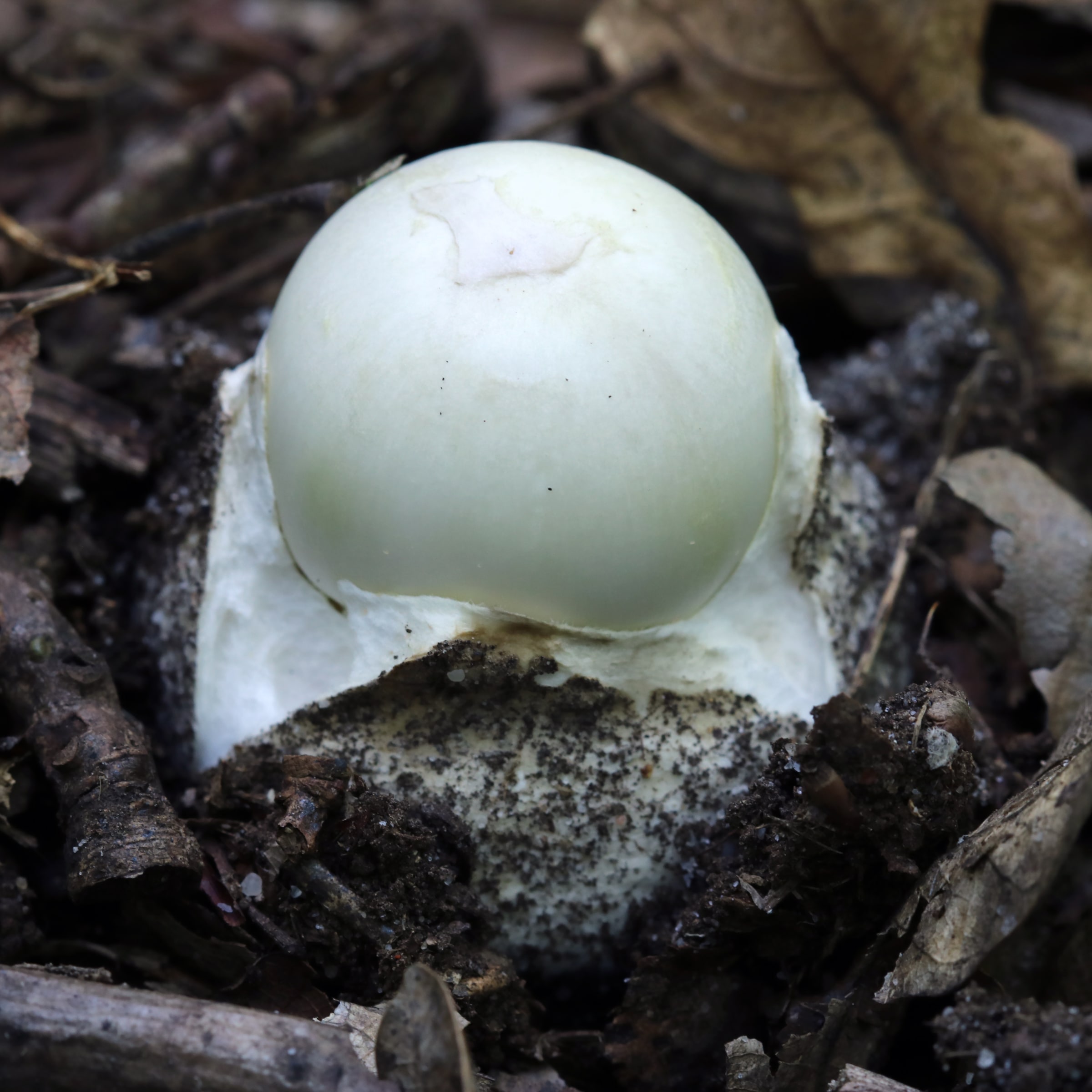
What we call a mushroom is often only the part that comes above the soil. Much more can be hidden underneath as a web of fine threads. These threads grow around tree roots and help trees find nutrients. The trees and fungi live together.
This is why a forest can be full of fungi even when there are few mushrooms to pick. Some species may not appear above ground during a dry week. Others may be too small or easy to miss. Their DNA can still be found in the soil.
Svampskog turns that science into something anyone can explore. Users can compare different kinds of forest and see how fungal life may change after clear-cutting or when more trees are left standing.
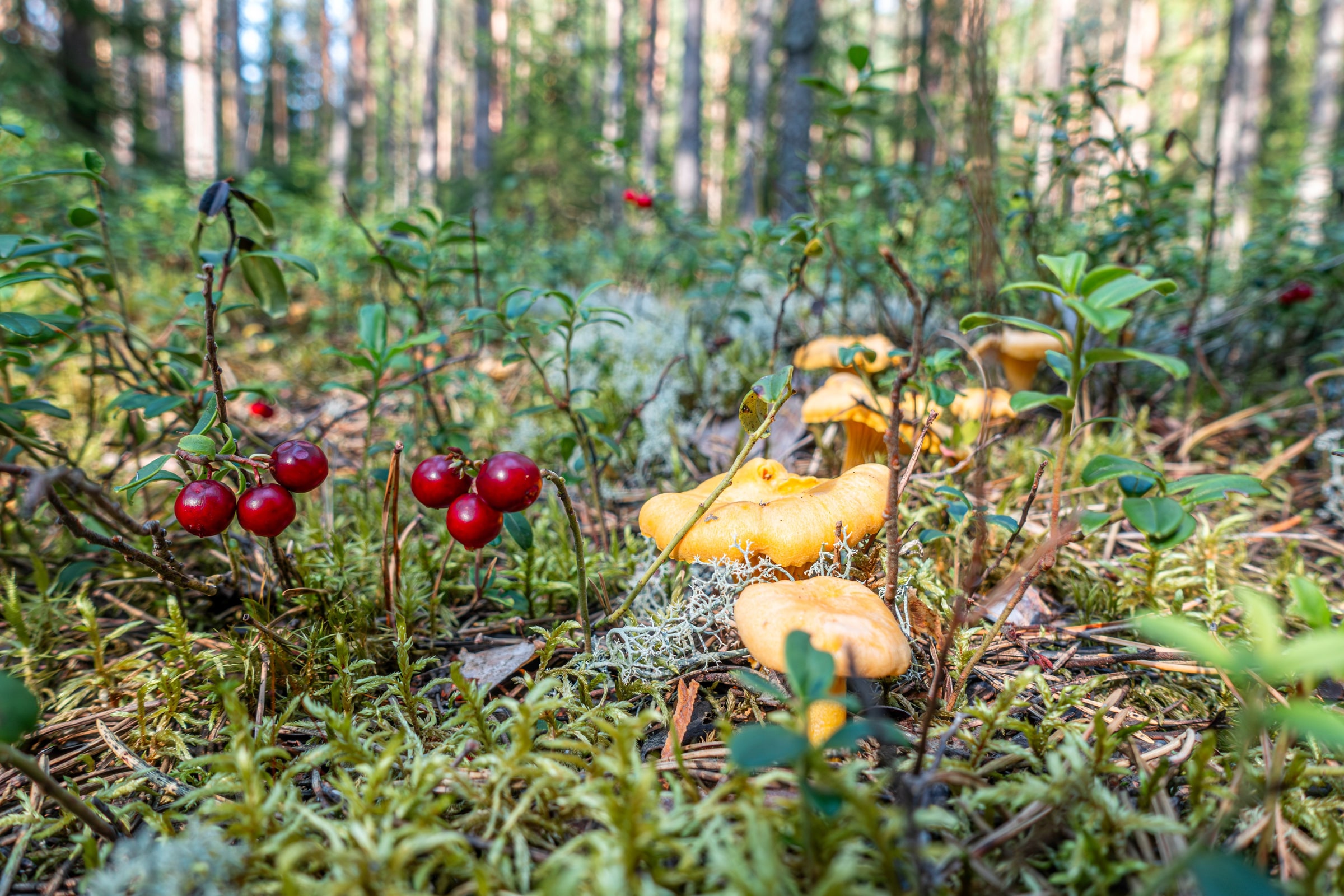
The familiar favourites are part of this hidden world. Chanterelles and many boletes live with tree roots. SLU says almost all edible forest mushrooms belong to this group.
The launch came as mushroom experts were searching another little-known part of Sweden. More than 80 people joined a survey around Frostviken and Stekenjokk in the mountains of Jämtland. They looked for rare and threatened fungi in places that have not been studied closely.
Some of their finds were extraordinary. Organisers told SVT that the group had found species recorded only once or twice before anywhere in the world. A person walking through the same place could easily have passed them without knowing they were there.
Sweden's love of mushrooms is already about more than food. SLU says its beginner courses have been heavily oversubscribed since they started in 2018. Students learn to recognise 200 edible and poisonous species, but they also learn what fungi do for the forest.
The new map will not tell you whether the mushroom in your hand is safe to eat. It is not a treasure map either. It is a simple way to see the forest as a shared home for trees and fungi, including many that never appear in a basket.
So the next mushroom walk can begin with the usual hope of finding chanterelles. It may end with a new thought: the best part of the forest could be the part still hidden under your feet.
DailySweden Lifestyle Desk
DailySweden Lifestyle Desk writes for DailySweden.
Contact the editorial desk ›