
The photos that can protect a Swedish rental move
A scratched floor is easier to discuss when both sides know what it looked like on day one. The most useful moving tool in a Swedish rental is often a set of dated photographs that nobody needs until a disagreement begins.
Hyresgästföreningen advises tenants to photograph and film defects when moving in and to report problems in writing. Walk room by room, include wide views and close details, and save the files with the contract and any inspection report. Send newly discovered damage to the landlord promptly.
Normal wear is not the tenant's bill. The association gives minor floor scratches and ordinary drill holes as examples that may fall within normal use. Larger damage caused by carelessness can be chargeable, and each case depends on condition, age, cause and evidence.
A landlord is not always required to conduct a formal move inspection, although many do. If there is a report, compare it with the actual home before signing or accepting it. Ask for unclear notes to be made specific and keep your own copy.
Before moving out, repeat the same camera route after cleaning and before returning the keys. Include appliances, floors, walls, wet rooms, storage and any item the landlord owns. Do not rely on disappearing message apps; keep original files and written correspondence somewhere you control.
Cleaning and damage are separate questions. Follow the landlord's cleaning checklist, photograph the completed work and save receipts if a company did it. If the landlord later claims a cost, ask for the inspection record, photographs and calculation rather than accepting a round number. Normal wear, actual damage and cleaning failures need different evidence, even when they appear together on the same move-out invoice. Record the meter readings and key handover too. They may not decide a floor dispute, but they close two other common gaps in a moving file.
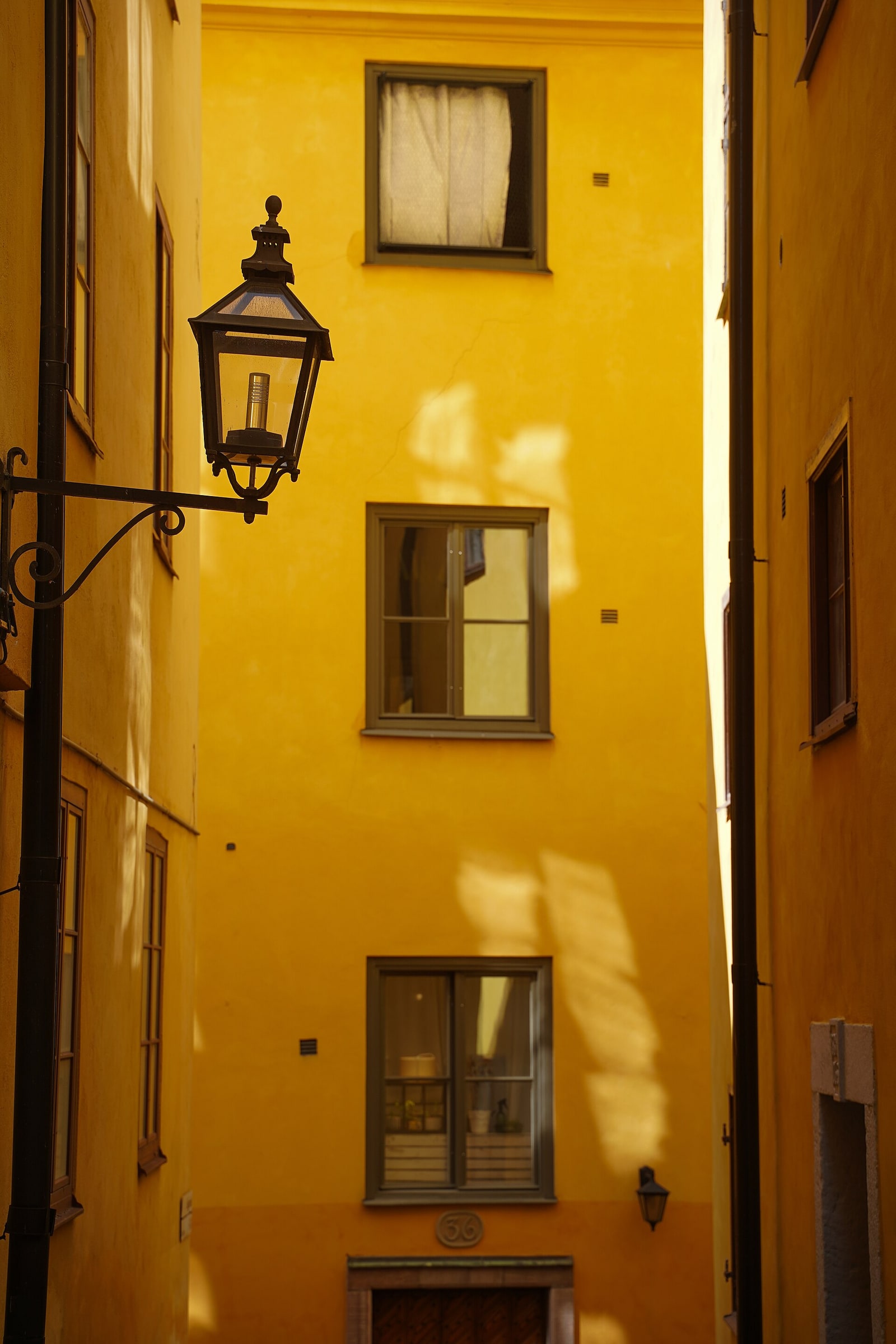
The Stockholm residential photograph selected for this guide does not identify a landlord, tenant or dispute. The practical rule is to document ordinary condition while it is ordinary. Evidence made calmly at the beginning is much more useful than memory reconstructed after an invoice arrives.

DailySweden Lifestyle Desk
DailySweden Lifestyle Desk writes for DailySweden.
Contact the editorial desk ›