
Sweden has 240 apple varieties worth tasting this autumn
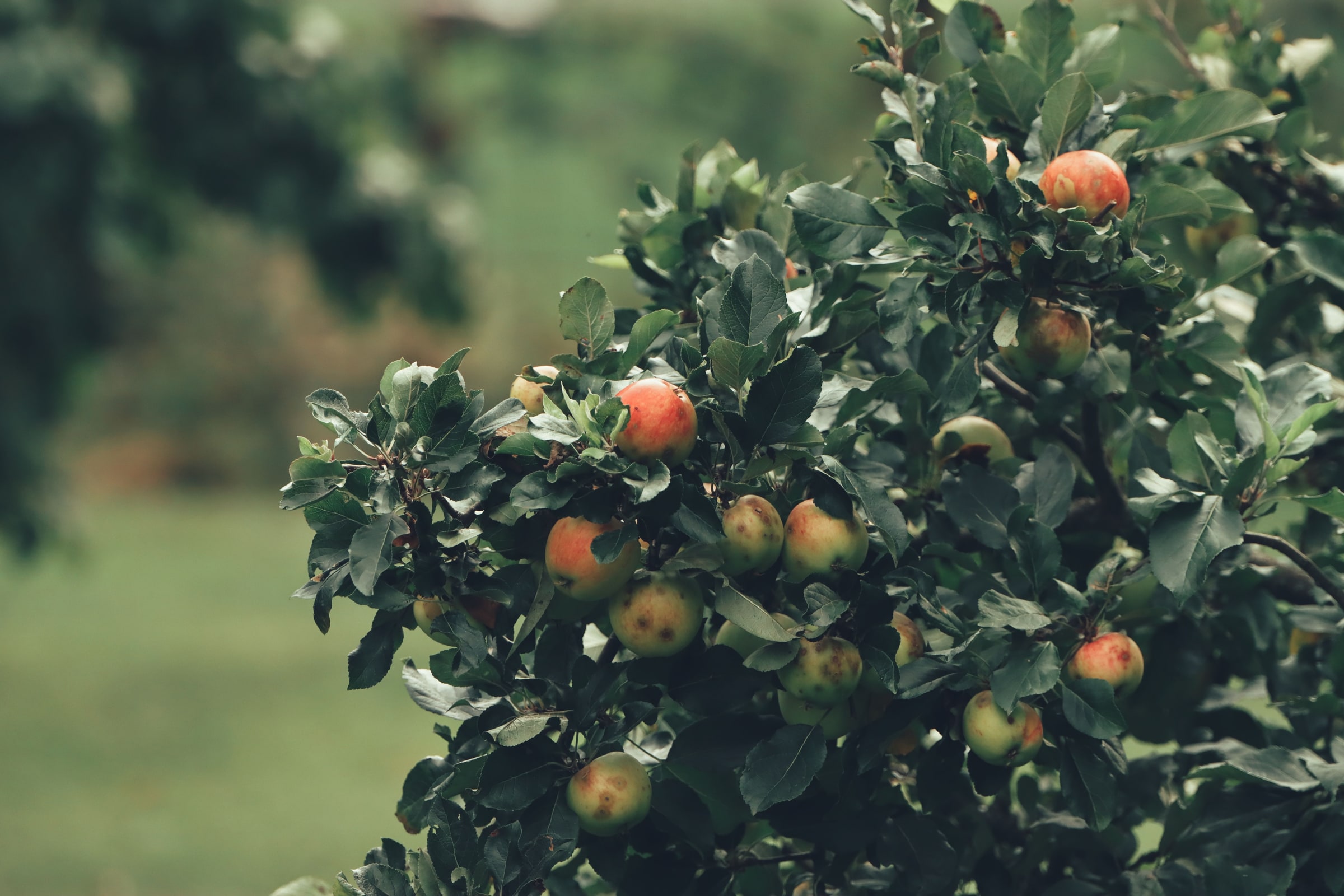
An apple tree can stand in a garden for years while nobody knows its name. The fruit is simply called sweet, sour, red or good for pie.
This September, Sweden is giving those nameless apples a little more attention. Two large autumn celebrations will invite people to taste, press, compare and identify Swedish fruit.
The Apple Market in Kivik opens on 19 September. Its famous giant picture, made from real apples, will be shown that weekend. The market then continues at Svabesholms Kungsgård until 4 October.
Stockholm has its own apple celebration from 23 to 27 September. Museums, gardens and restaurants on Djurgården will hold tastings and other events. On the final day, visitors can bring apples from an unknown garden tree to pomologist Mats Brokvist, an expert who identifies fruit varieties.
Visitors are asked to bring three apples from each tree. One apple is not always enough. Fruit from the same tree can look different depending on where it grew, how much sun it received and whether it was picked early.
There is plenty to identify. Nordiska museet says Sweden has more than 240 known apple varieties. More than 120 grow on Djurgården alone. The oldest trees there date from the 1860s.
Some names carry their home region with them. Kalmar glasäpple is kept in Småland, while Värmlands paradisäpple is kept in Värmland. Other names, such as Alice, Aroma and Arvidsäpple, sound more like people at a family party than fruit on a supermarket shelf.
The names matter because the apples are different. One may stay sharp after baking. Another may make better juice or last longer through winter. Some ripen early. Others are picked much later.
Sweden's national genebank protects these old varieties. It keeps two trees of each selected variety at Alnarp and two more in a local collection. If trees are lost in one place, the variety can survive in the other.
That work keeps more than history alive. Old apple trees may carry useful tastes and qualities that are missing from the small number of varieties sold in most shops. Once the last tree dies, those qualities cannot be brought back from a name in a book.
The festivals offer an easier way into this story. Pick two apples that look different. Smell them before taking a bite. Notice which one is crisp, which one is soft and which one makes your mouth tighten. Then ask another person to choose a favourite.
There is rarely one correct answer. The best apple may be the one from a grandparent's garden, the one that makes the right cake or simply the one that tastes good on a cold September day.

DailySweden Lifestyle Desk
DailySweden Lifestyle Desk writes for DailySweden.
Contact the editorial desk ›