Born in Sweden. Why does the crime debate still call them immigrants?
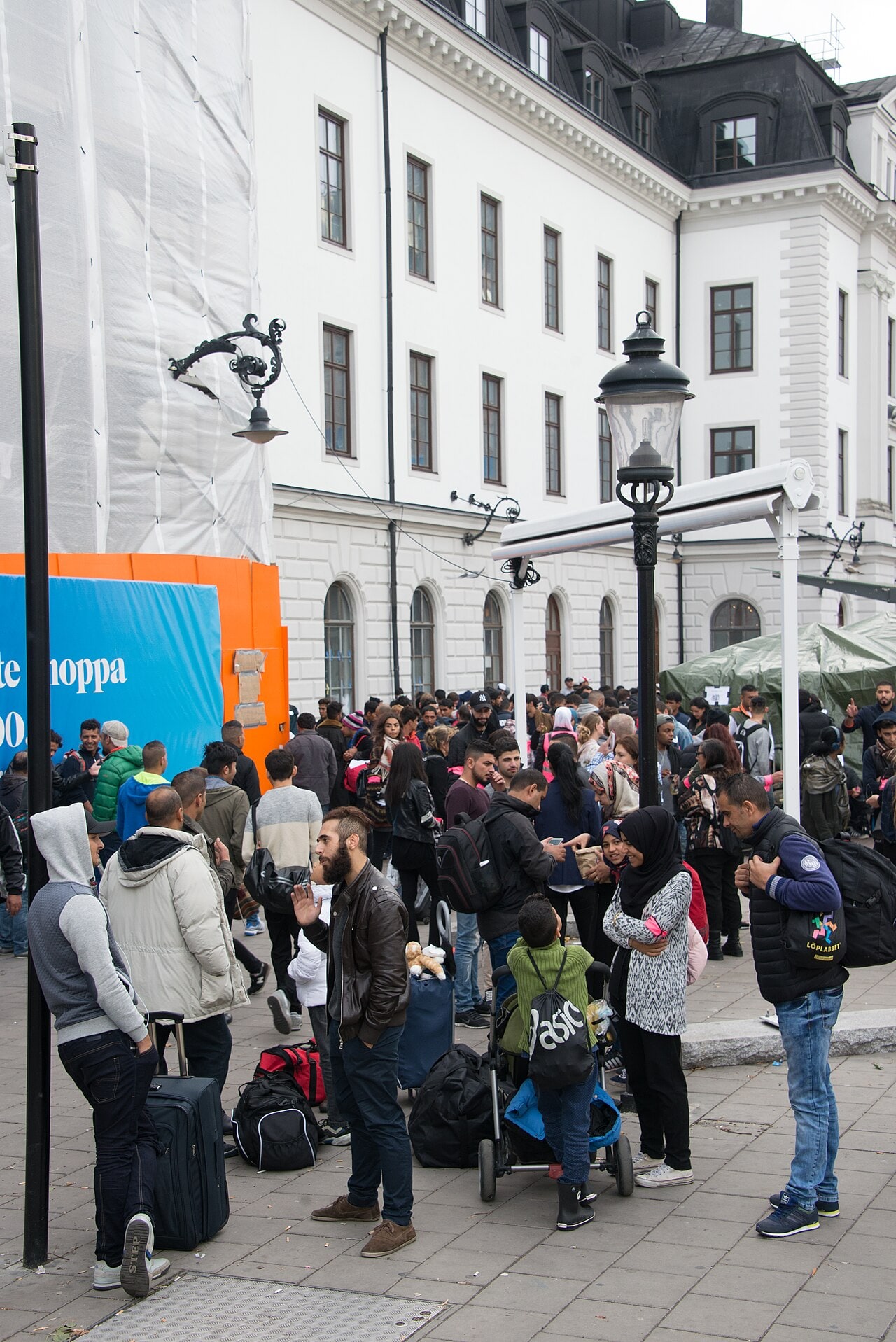
If you are born in Malmö and have never lived anywhere else, what exactly makes you an immigrant? In Sweden’s crime debate, the answer is increasingly: your parents. Brå’s categories include people born in Sweden to foreign-born parents. Calling them “immigrant criminals” turns foreignness into something inherited.
That is the line crossed when Sweden Democrats migration spokesperson Ludvig Aspling says Sweden has far too many people who are not ethnically Swedish, then links migration and ethnic minorities to clan-based crime, vulnerable areas and criminal infiltration. The argument does more than criticise immigration policy. It makes ancestry the measure of who remains foreign, including people who never migrated.
Crime statistics demand honesty. A Brå report found that 10.2 per cent of Sweden-born residents with two foreign-born parents were registered as suspects for at least one offence during 2015 to 2018. The figure was 8.0 per cent among foreign-born residents and 3.2 per cent among those born in Sweden to two Sweden-born parents. Overrepresentation exists. Pretending otherwise would weaken both prevention and public trust.
But those figures do not turn a background group into a criminal class. They also mean that 89.8 per cent of Sweden-born people with two foreign-born parents were not registered as suspects during those four years. Suspicion is not conviction. Brå also found that the absolute number of registered suspects was greatest among people born in Sweden to two Sweden-born parents.
The differences narrowed substantially when Brå adjusted for age, sex, income, education and municipality type. For people born in Sweden to two foreign-born parents, the relative risk fell from just over three times the reference group’s level to 1.7. A gap remained, but the data did not establish ethnicity as its cause. Brå described a complex interaction involving age, education, income, segregation, employment and discrimination.
The political label performs a revealing trick. A person born in Malmö to foreign-born parents is not an immigrant. Yet when crime enters the conversation, Swedish birth can suddenly lose its meaning. A Sweden-born offender with Sweden-born parents is treated as an individual who committed an offence. A Sweden-born offender with foreign-born parents is made to represent migration itself.
That framing also hides who suffers. Brå’s recent homicide study found people with foreign background overrepresented among both homicide victims and perpetrators. The overrepresentation was greater among victims. Among young Sweden-born people with two foreign-born parents, the victimisation figures were especially severe. The people flattened into a threat category are also families losing children, siblings and friends.
The Council of Europe’s racism monitor warned that equating migration with criminality has become more common in Swedish political discourse since the Tidö Agreement. It said the association risks exposing people with migration or minority ethnic backgrounds to more hate speech and hate crime.
None of this requires silence about robbery, shootings, recruitment into criminal networks or unequal offending rates. It requires precision. Prevention should focus on offenders, recruiters, repeat offending, school failure, unsafe neighbourhoods and the conditions that evidence can actually connect to harm. Ancestry is neither a conviction nor a prevention programme.
Sweden’s parties should stop using crime statistics to make Swedishness conditional. People born here do not become immigrants when they appear in an unfavourable table. A democracy committed to equal citizenship must punish offences, protect victims and confront criminal networks without turning foreignness into a hereditary verdict.

DailySweden
DailySweden's desk of editors, reporters, researchers and investigative journalists. We bring readers factual, truthful and objective reporting on the issues that matter to them.
Contact the editorial desk ›