
SD Doubles Down: Sweden Has Too Many “Ethnically Foreign” People
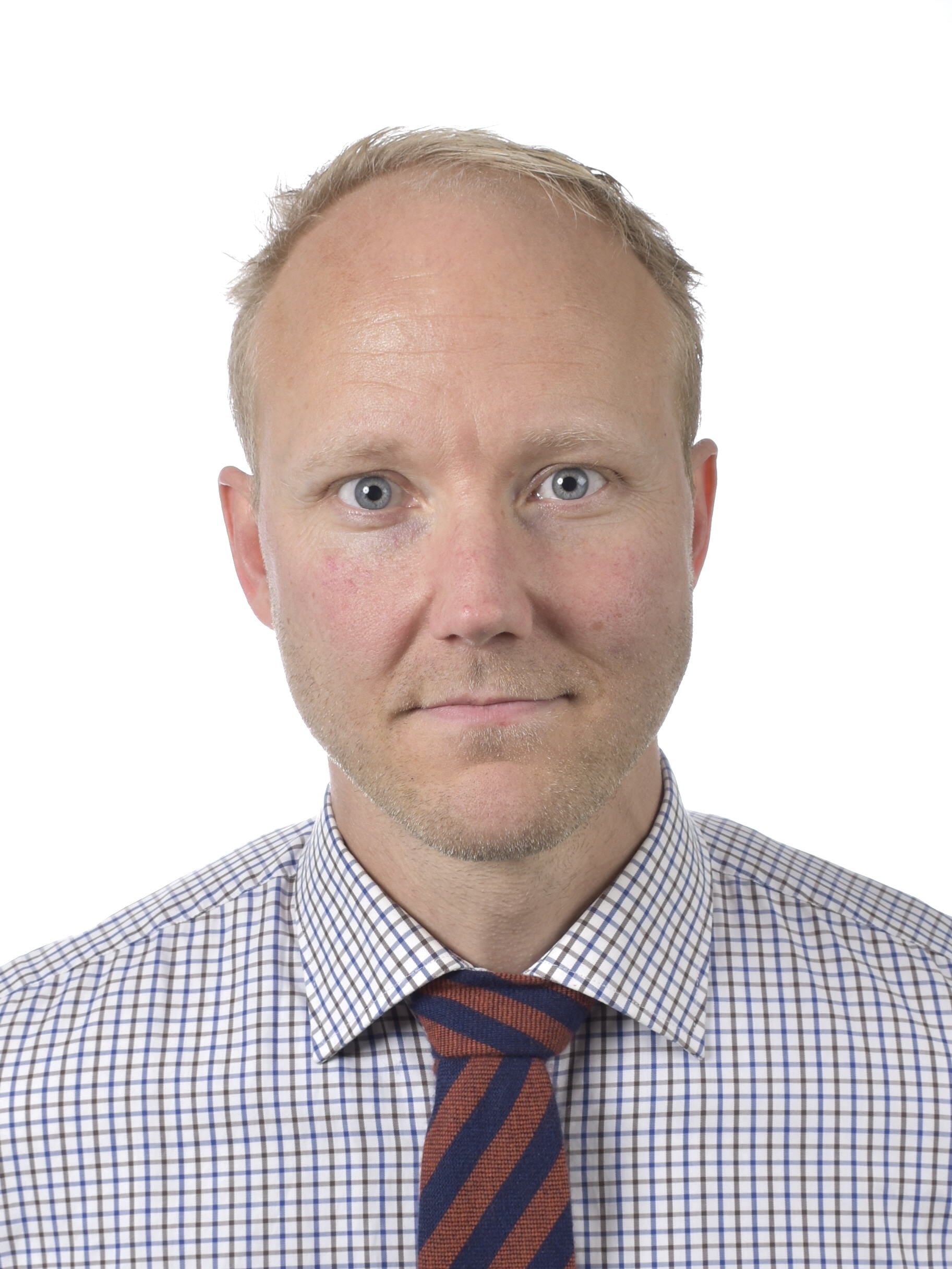
The Sweden Democrats’ migration spokesperson Ludvig Aspling has doubled down on his claim that the proportion of people “ethnically entirely foreign to Sweden” was “far too large”, arguing that migration volume, not just integration policy, is the decisive issue.
In a reply published on Tuesday, Aspling defended the statement after a Sydöstran columnist called it racist. He noted that five of the eight parliamentary parties want to reduce asylum immigration.
Aspling linked immigration and ethnic minorities to structural unemployment, vulnerable areas, clan-based crime, religious extremism, honour-related social problems and criminal infiltration of police and authorities. He argued that the scale of the population share creates wider consequences for society.
As evidence, he cited an ESO study on ethnic residential segregation and crime. Its authors found an association, but said it was largely driven by underlying socioeconomic factors. The connection was strongest for children growing up in segregated environments and for socioeconomically weaker groups. They recommended investment in housing, local labour markets, education and safety.
The reply goes beyond Aspling’s earlier statement by turning a disputed description of who counts as Swedish into an explicit argument about population composition. SD’s 2026 election platform says social cohesion must be built on the majority population’s terms and calls for asylum rules at the EU minimum.

DailySweden
DailySweden's desk of editors, reporters, researchers and investigative journalists. We bring readers factual, truthful and objective reporting on the issues that matter to them.
Contact the editorial desk ›