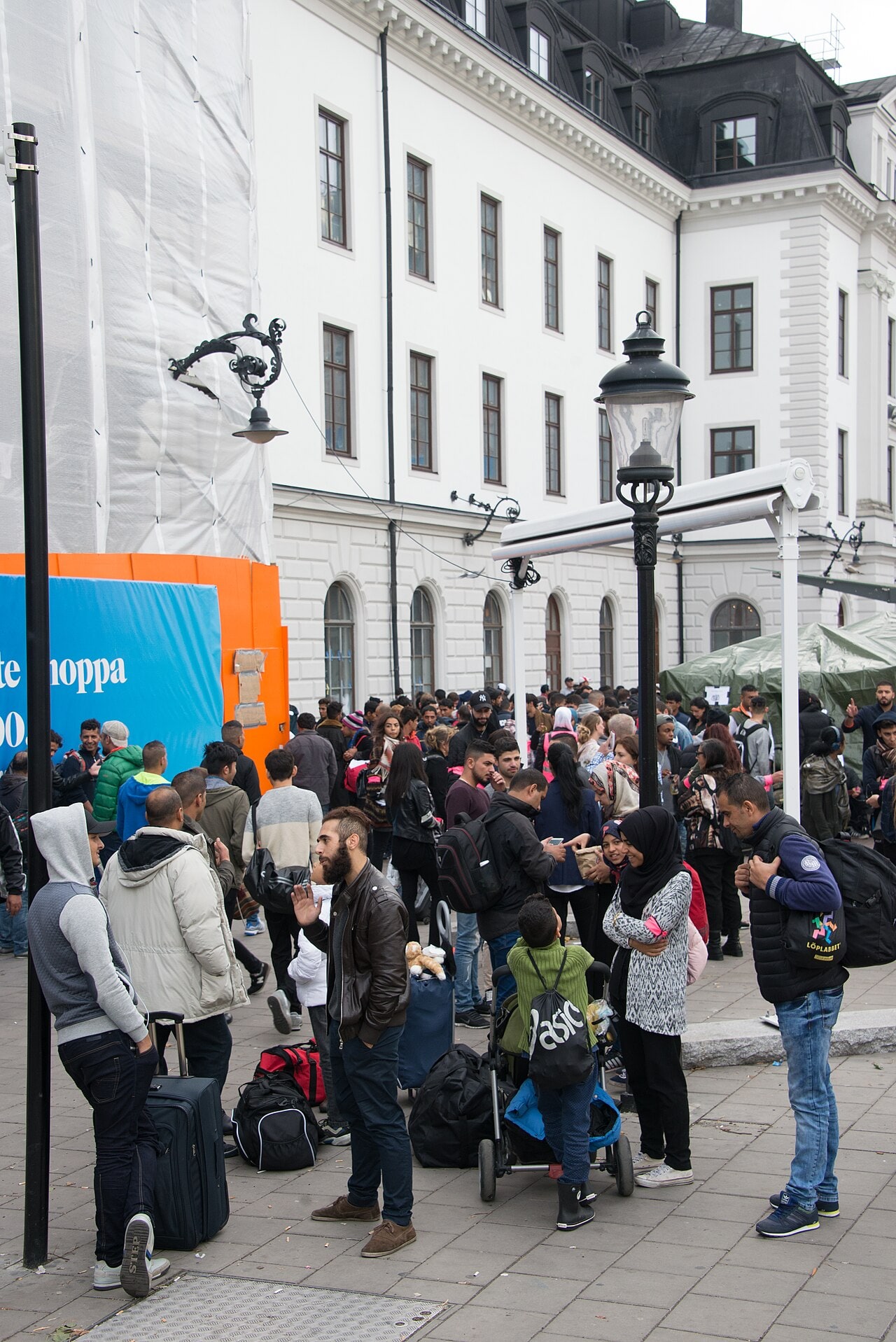
Sweden must not let misfortune become grounds for losing a home
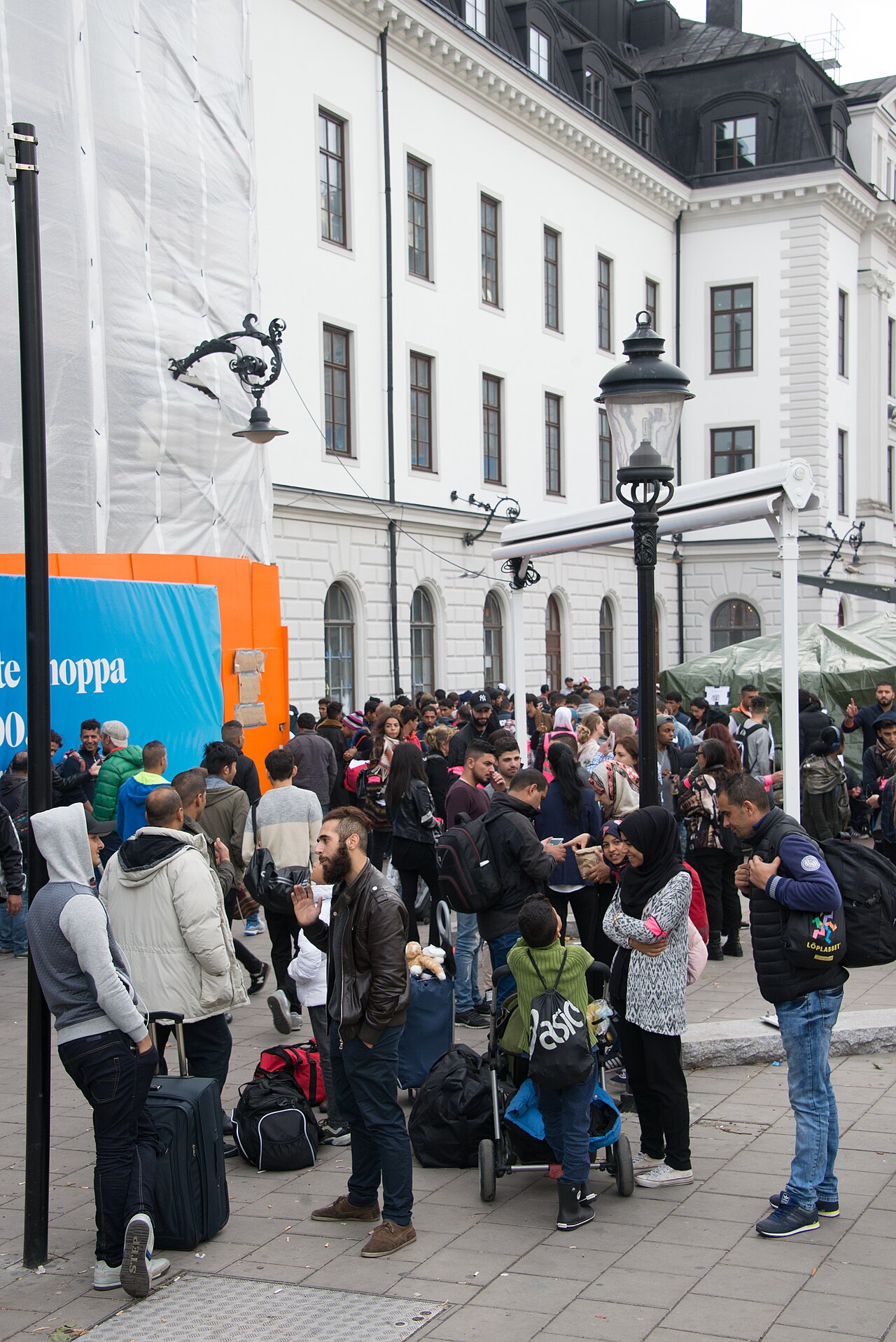
A late bill, a period of illness or a mistake on a benefits form can happen in any life. For most Swedish citizens, such events may bring debt collection, repayment demands or other legal consequences. From 13 July, some residence-permit holders face an additional possibility: the same troubled chapter can enter an assessment of whether they may keep living in the country they call home.
Sweden's broader good-conduct test allows the Migration Agency to consider behaviour beyond criminal convictions. It can look at unpaid debts, compliance with official rules and decisions, information supplied for benefits, dishonest means of support and indications of contact with criminal, terrorist or extremist organisations. The stated purpose is to make it easier to refuse or revoke nationally based residence permits when a person's conduct is judged deficient.
The law does not say that skin colour determines the rules, and it would be dishonest to pretend that it does. It distinguishes people by citizenship and residence status. Yet apparently neutral discretion does not operate outside society. Sweden's own auditors have found indications of ethnic discrimination in decisions at several state agencies. When people racialised as foreign face rules whose consequences are exceptionally severe, those documented risks matter.
There are safeguards. The Migration Agency says an isolated minor incident will not normally be enough. The legislative material says temporary financial hardship should not count as bad conduct, while efforts to repay debts, the age and scale of those debts, mental ill-health, disability, family ties and other personal circumstances should be weighed. Decisions can be appealed. These protections are important, and every case should genuinely receive them.
But this is precisely where the rule's vagueness becomes dangerous. The Council on Legislation noted concerns about unpredictable, legally insecure and arbitrary application. It said the law must let individuals foresee the consequences of their actions and enable authorities and courts to treat like cases alike. The government accepted that listing the relevant circumstances in the statute would improve clarity, but preferred flexibility and left much of the guidance in preparatory documents.
Flexibility can sound humane. It can also mean that one caseworker's understanding of dishonesty, association or an unwillingness to pay carries enormous weight. Sweden's National Audit Office reported in April that state efforts to prevent ethnic discrimination in individual agency decisions were ineffective and mostly reactive. Its audit covered seven agencies, not the Migration Agency, so it does not prove discrimination in permit decisions. It does show why confidence cannot rest on good intentions alone.
A fair state may act firmly against serious crime, deliberate fraud and genuine threats to public safety. It does not need to confuse those acts with the ordinary unfairness of life. Redundancy, exploitation, separation, illness and administrative confusion can push people into debt or error without revealing defective character. A residence system worthy of a democracy must distinguish inability from refusal and vulnerability from deceit.
That requires more than assurances. The government and Migration Agency should publish binding, accessible criteria; give complete written reasons; guarantee effective legal help in revocation cases; audit outcomes for unequal patterns; and commission independent equality reviews. Debt or non-criminal conduct should never carry immigration consequences without clear evidence of serious, repeated and wilful misconduct. Parliament should also require an early public review of how the new power is used.
A just society cannot promise equal human worth while allowing the security of a home to depend on an opaque moral judgment applied only to non-citizens. Skin colour is not written into this law. The test of justice is whether it can be kept out of its operation, whether hardship is met with proportion rather than suspicion, and whether the state can prove that the same facts truly receive the same judgment. Until those guarantees are visible, the burden of doubt belongs with power, not with the person whose life may be uprooted.

DailySweden
DailySweden's desk of editors, reporters, researchers and investigative journalists. We bring readers factual, truthful and objective reporting on the issues that matter to them.
Contact the editorial desk ›