New Swedish planning rules speed up some solar and heat-pump permits
Changes taking effect in July also reshape building controls, prison construction permits and sustainable-mobility requirements.

A package of changes to Sweden's Planning and Building Act and Planning and Building Ordinance took effect on 1 and 2 July, changing permits for renewable energy, building controls and several other parts of the construction process.
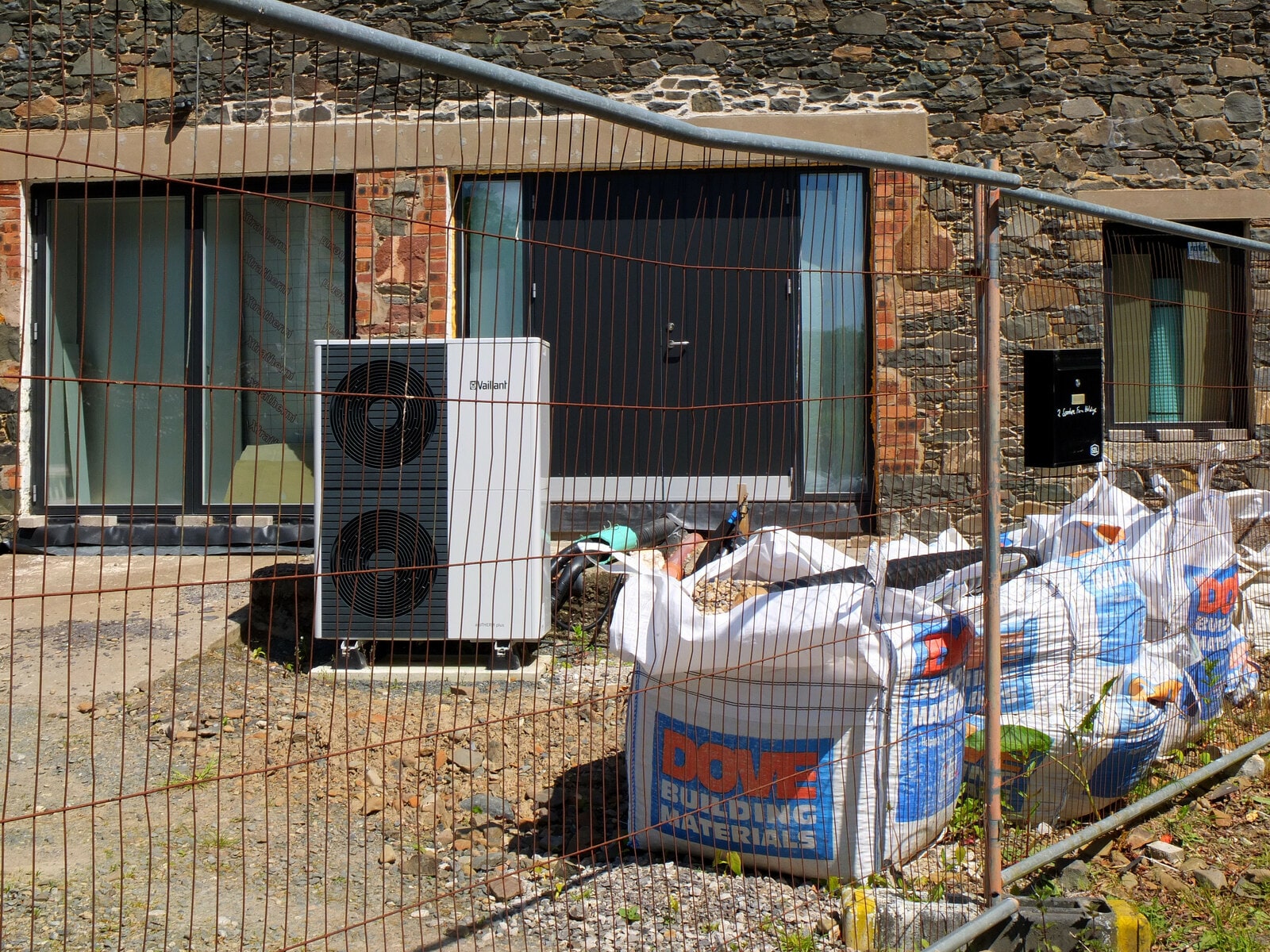
Boverket says certain solar-energy installations are now exempt from the requirement to obtain a building permit. Time limits have also changed for handling permit applications involving some solar installations and heat pumps.
When a case is sent back to a municipal building committee for renewed processing, the rules applying on the date the return decision became legally binding will now be used, rather than the date the case physically returned to the committee.
The package also introduces a special temporary building permit for prisons and remand centres. These permits may run for a total of 20 years rather than 15, and the option remains available until 1 July 2036. The government can issue necessary, time-limited exemptions from some planning and building requirements if prison capacity is under pressure.
Building-control roles are changing as well. Certified building-design companies are renamed building assessors, and their role expands to include checks during construction. Where a building assessor is used, the municipal building committee will not reassess matters covered by that assessor's responsibility.
Boverket will issue further regulations defining which new buildings may fall under this system and which projects must undergo mandatory checks by a certified expert.
The developer's responsibility for design and construction has been clarified. Control plans are divided into a control plan and a waste-management plan, while rules on technical consultations, workplace visits and final approval have been made more explicit. A final approval will not prevent a later enforcement intervention.
Municipal building committees can also issue control orders requiring an owner or user to verify that structures important to load-bearing capacity and stability are properly maintained.
The technical requirement for electric-vehicle charging has been broadened into a sustainable-mobility requirement. That allows rules to cover bicycle parking as well as charging infrastructure.
A separate change from 2 July places the Swedish Defence Research Agency under the same permit and supervision structure as several defence bodies. Environmental organisations' special ability to appeal decisions concerning that agency is restricted.
Boverket has updated its online guidance, although it says some older pages still carry notices while further revisions are completed.

DailySweden
DailySweden's desk of editors, reporters, researchers and investigative journalists. We bring readers factual, truthful and objective reporting on the issues that matter to them.
Contact the editorial desk ›