Long Trips Abroad Can Delay Swedish Citizenship

You can keep your Swedish home, job and personal identity number while spending long stretches abroad. That does not mean every day still counts towards citizenship. Once travel passes a specific threshold, the citizenship calculation becomes less forgiving than many applicants expect.
Swedish citizenship normally requires a period of habitual residence, meaning that you live in Sweden and intend to remain here. Following the law change on 6 June 2026, the main rule is eight years, although shorter or longer periods apply to some groups, including Nordic citizens, refugees, stateless people and partners of Swedish citizens.
Brief holidays and visits do not normally affect the calculation. The Swedish Migration Agency says that if you spend more than six weeks abroad in one year, the whole period outside Sweden must be deducted from your habitual residence. The rule is based on total time abroad, so several trips can matter just as much as one long trip.
The calculation catches people because the agency does not subtract only the days beyond six weeks. If your trips total eight weeks, all eight weeks are removed from the residence period, not only the extra two. That can move the earliest sensible application date by 56 days. Repeated long-travel years can push it back further.
Moving abroad to settle is more serious than taking a long trip. The agency says habitual residence ends when you move to another country and settle there. A new period can begin when you return to Sweden. Your permit history also matters: ordinary study, visitor and au pair permits generally do not count, while doctoral study may count in some circumstances. EU and EEA citizens must have met the right-of-residence rules during the relevant period.
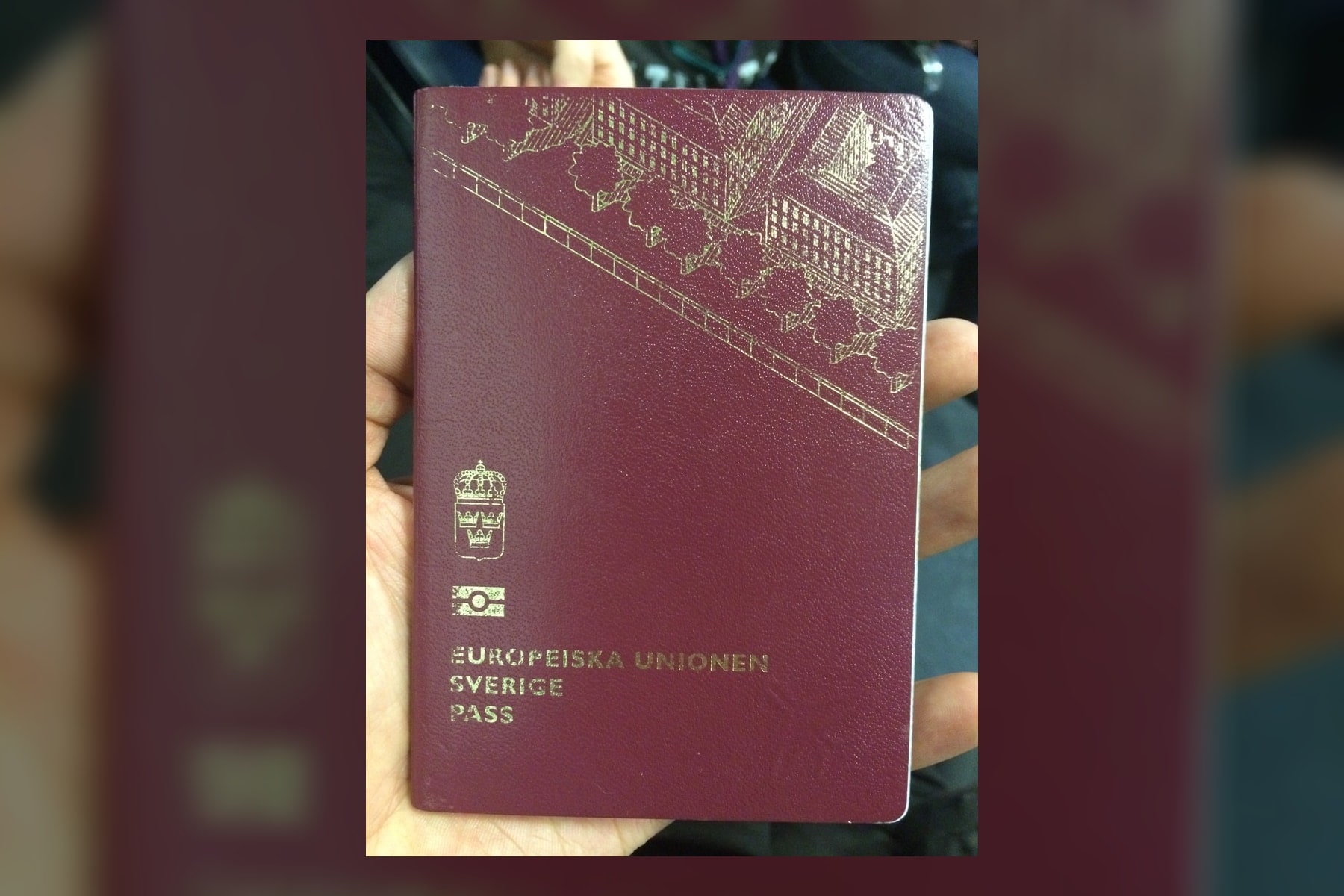
Before choosing an application date, rebuild your travel record year by year using passport stamps, tickets, booking emails and calendar entries. Mark every day outside Sweden, total the trips for each year and keep the evidence. Then check which residence period applies to your case. A careful count is cheaper than applying on a date based only on when you first arrived.

DailySweden
DailySweden's desk of editors, reporters, researchers and investigative journalists. We bring readers factual, truthful and objective reporting on the issues that matter to them.
Contact the editorial desk ›