Liberals hit record low after ‘selling out’ to SD
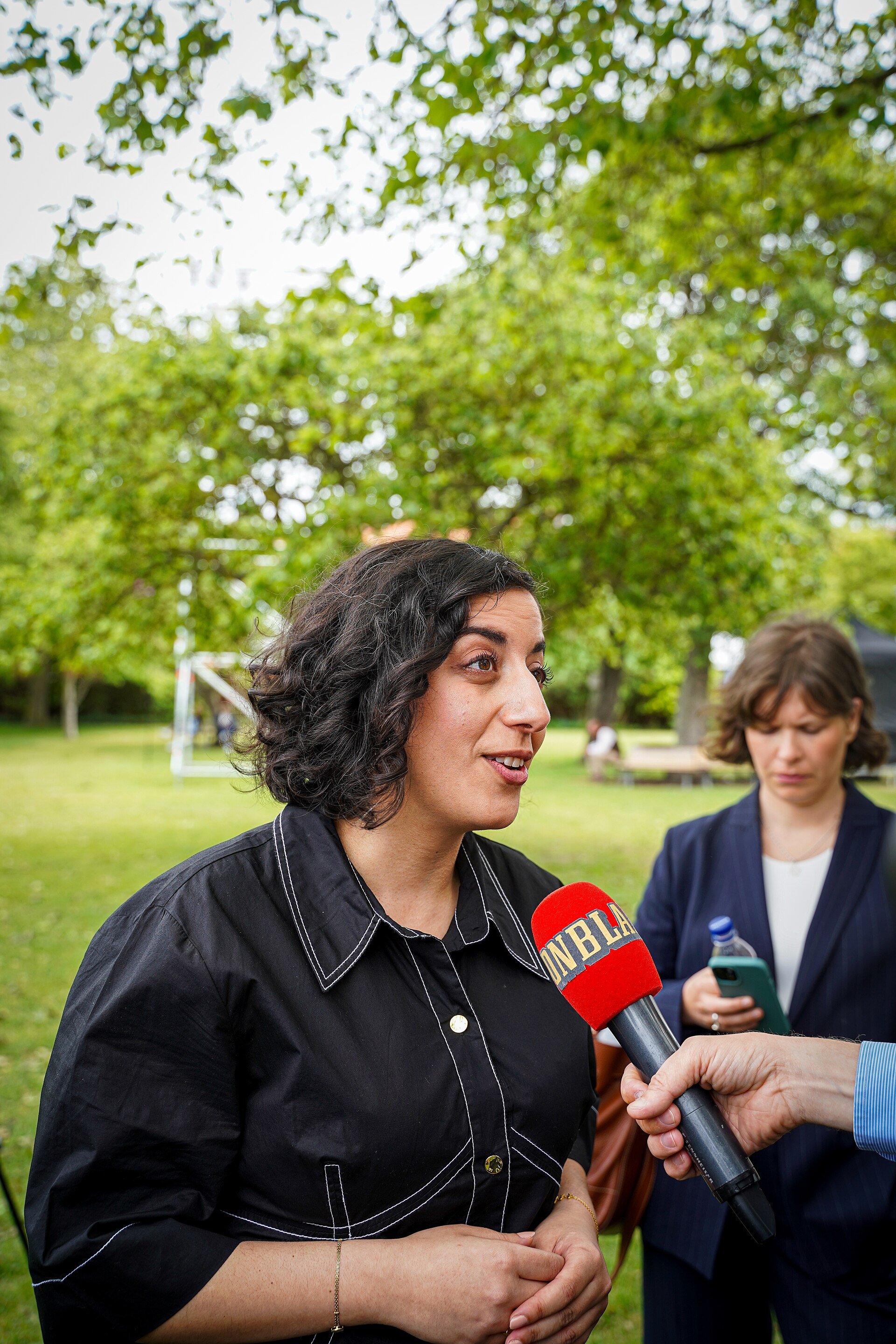
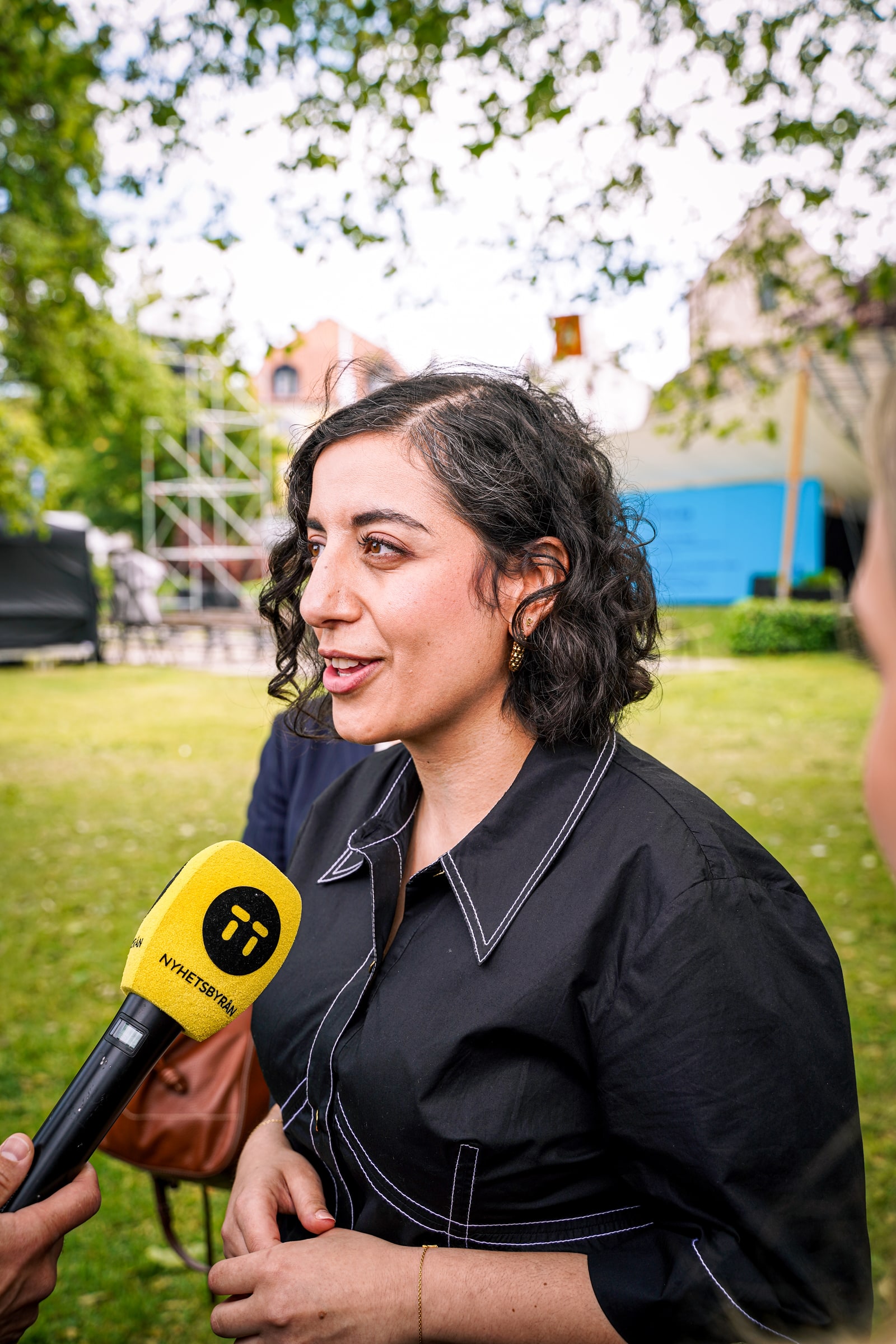
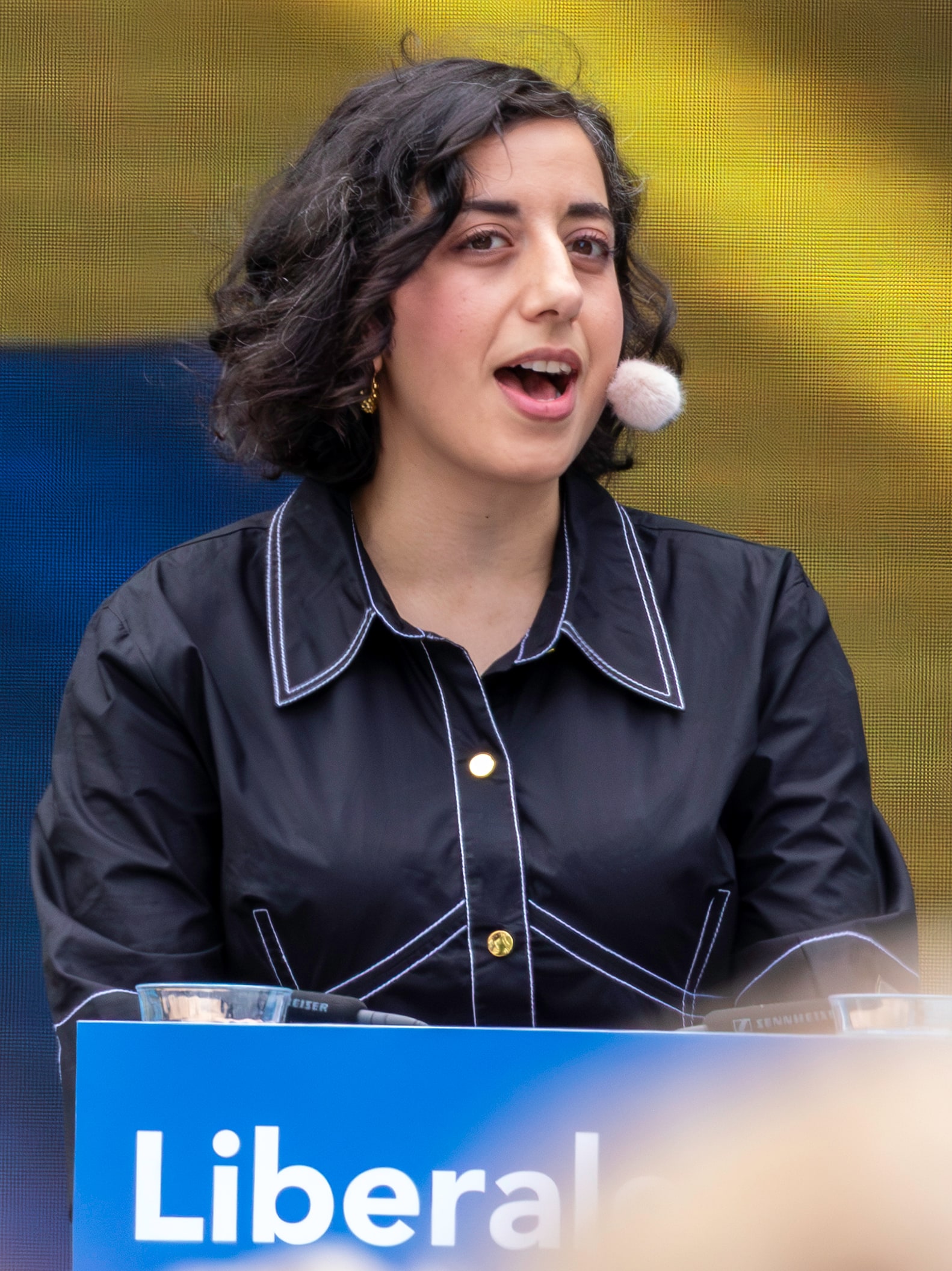
The Liberals made a desperate wager: that survival required erasing the last red line separating them from the Sweden Democrats. Four months after Simona Mohamsson embraced Jimmie Åkesson in the “Sverigelöftet”, the latest TV4/Novus poll offers a devastating verdict. L stands at 1.8%, its lowest level ever in Novus polling and in the earlier Gallup comparisons cited by the institute.
The fall from 2.2% in June is not statistically significant on its own. Nor can one poll prove that the SD reversal caused the Liberals’ collapse. But this is no isolated bad month. The party is now 2.2 percentage points below the parliamentary threshold, with an election approaching and no durable recovery in sight.
Novus’s voter flows expose the trap the Liberals built for themselves. Former L voters are moving chiefly to the Centre Party, while some are going to SD. The institute’s interpretation is brutal: liberals who cannot accept SD are choosing C, while those who can accept SD have a larger and clearer party to vote for. In trying to become useful to everyone on the right, L has made itself necessary to almost no one.
This was not an ordinary coalition compromise. In 2021, the Liberals declared that they would not help form a government containing SD, specifically warning against giving the party direct influence over foreign policy, public authorities and state appointments. In November 2025, the party conference again rejected SD ministers by a clear majority. As recently as January, Mohamsson answered “yes” when asked whether that red line would hold even if the polls did not improve.
Then came 13 March. Mohamsson and Åkesson announced that all four Tidö parties should aspire to sit in government together. Her explanation was that SD had changed and shown “constructiveness”. The deal included real Liberal prizes: state responsibility for schools, a planned phase-out of profit interests in education, a euro referendum in 2030 and promises to protect democratic institutions.
That is the strongest defence of Mohamsson’s decision. Politics requires negotiation, and a small party must win what it can. But compromise cannot mean treating your defining warning as disposable the moment it becomes electorally inconvenient. Ministerial office brings exactly the executive power that the Liberals previously said SD should not possess.
The betrayal was not only ideological. It was directed at the party’s own voters. An Indikator Opinion survey conducted before the reversal found that 74% of current L voters absolutely did not want SD in government; only 12% did. The small number of Liberal respondents means the margins were wide, but the imbalance was overwhelming.
Many liberals recognised the sale immediately. Maria Lundqvist Brömster, the party’s Västerbotten group leader, said cooperation with SD contradicted Liberal values and that “our liberal voters are against” it. Former Liberal minister Birgitta Ohlsson, announcing her return to politics with the Centre Party, put it more memorably: “I love Folkpartiet, but I love my liberal values more.”
For immigrants, minorities and anyone who believed the Liberals’ promises about pluralism and equal dignity, this is not abstract political theatre. The party is asking them to trust safeguards negotiated with a movement its own leader once described as rooted in neo-Nazism, while opening the cabinet door to that movement.
The Liberals cannot campaign their way out of a crisis of credibility with another school proposal or another plea for tactical votes. They must explain what changed in SD, not merely what L received in return. If they cannot, they should restore the red line and admit the wager failed.
Liberalism is more than a name on a ballot. When a party sells out the values that gave it a reason to exist, voters are entitled to walk away. They are doing so.

DailySweden
DailySweden's desk of editors, reporters, researchers and investigative journalists. We bring readers factual, truthful and objective reporting on the issues that matter to them.
Contact the editorial desk ›