Even in “socialist” Sweden, the richest still have the last word
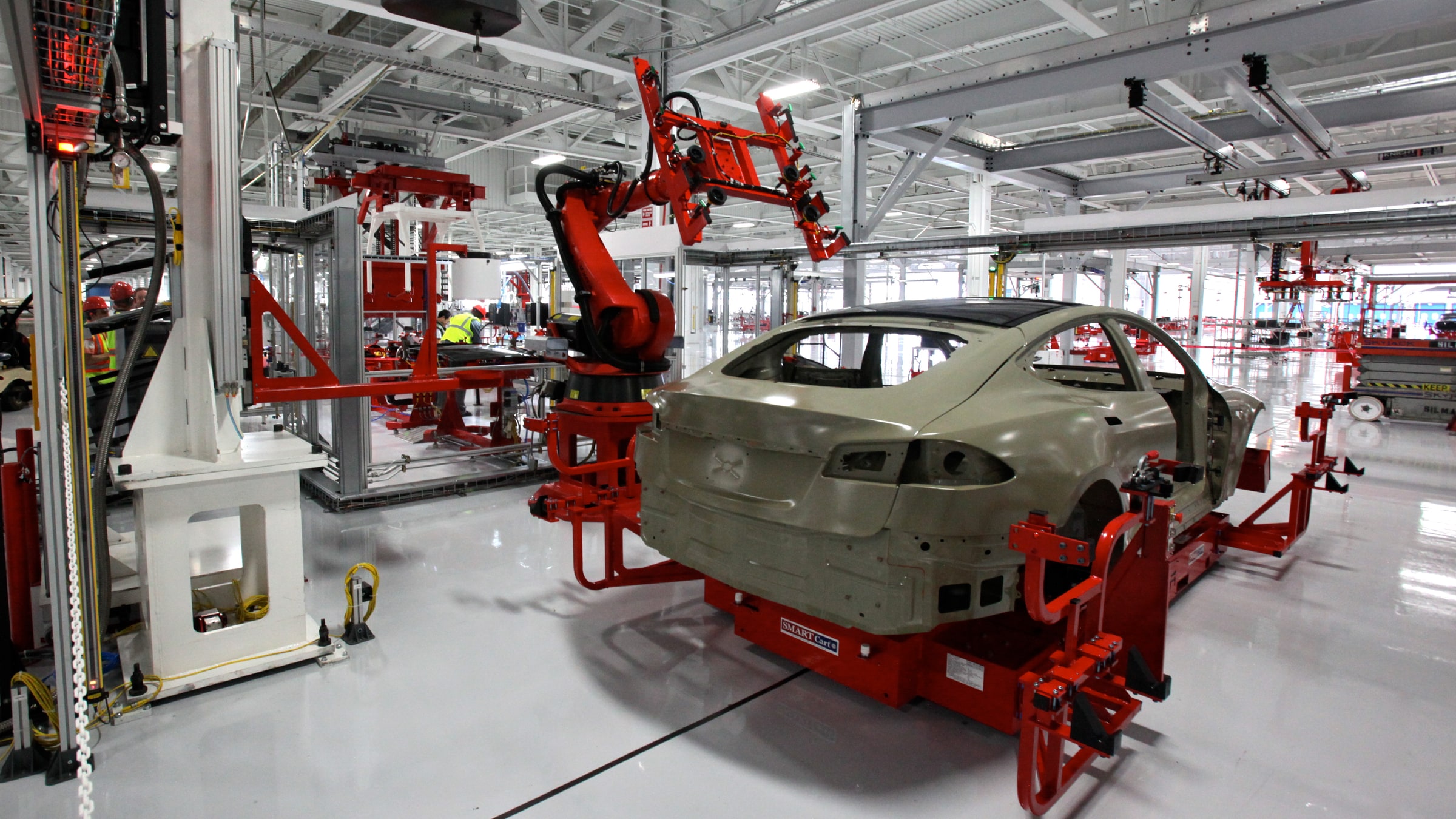
A labour model is only as strong as the people who can afford to defend it. After nearly three years, IF Metall will end its Tesla strike without the collective agreement it demanded. The union says Tesla bought out every remaining striker until no strike remained.
The DailySweden report records the blunt outcome. The company kept operating, the union's central demand remained unmet, and the industrial action ends on 19 August. This is more than a labour defeat. It is a warning about what happens when a voluntary institution meets a corporation rich enough to wait, route around pressure and pay for individual exits.
Sweden is not socialist in any precise economic sense. It is a market economy whose labour rules rely unusually heavily on agreement between organised employers and workers. Critics can therefore say Tesla merely exercised its lawful freedom not to sign, while individual workers exercised theirs to accept buyouts. That is a serious argument, not a technicality.
The Mediation Office says there is no statutory mechanism extending collective agreements to companies that are not bound by them. At workplaces without an agreement, conditions normally set collectively are left to the individual employer and employee. The model's strength comes from participation, not compulsion.
But freedom on paper does not make power equal. A buyout converts a shared demand into a private decision. Each worker can rationally choose money, security or a fresh start. With each exit, the institution loses the human presence it needs to bargain. Money does not answer the collective claim. It can remove the people able to enforce it.
IF Metall was hardly penniless. SVT reported a researcher's estimate that two years of action had cost about SEK 100 million, set against a strike fund of roughly SEK 10 billion. Yet customers could still buy, charge and repair Teslas. Even one of Sweden's richest unions could not turn endurance into an agreement.
The scale across the table was larger still. Tesla's annual report lists $94.83 billion in revenue for 2025 and $44.06 billion in cash, cash equivalents and investments at year-end. Those figures do not reveal what any striker was offered. They do show the asymmetry. A global company could treat the Swedish conflict as a cost, while every striker lived it as years of work, income and family life.
This matters because Sweden's model is not marginal. In 2025, official figures put collective-agreement coverage at 88 percent of employees and 96 percent in manufacturing. The system works because refusal is rare enough for norms, solidarity action and reputational pressure to carry force. Tesla has shown what happens when a wealthy employer accepts those costs.
Sweden now needs an honest debate about a backstop: a way to extend sector agreements, stronger safeguards when buyouts end an organising campaign, or another enforceable floor that preserves bargaining without rewarding the deepest pockets. The Swedish model cannot remain an honour system obeyed only by those willing to honour it. When rights depend on endurance alone, the richest party holds the clock, and eventually the last word.

DailySweden
DailySweden's desk of editors, reporters, researchers and investigative journalists. We bring readers factual, truthful and objective reporting on the issues that matter to them.
Contact the editorial desk ›