Exclusion builds the parallel societies Sweden claims to fear
People go where they are welcome. When the restaurants where native Swedes gather make you feel watched rather than wanted, when the employer never calls and when every invitation into the majority's social world seems to stop at an invisible door, building your own circles is not a mysterious refusal to integrate. It is the ordinary human search for somewhere to belong.
We speak of parallel societies as though immigrants simply drew a line around themselves. But some lines are drawn from the outside: by the bouncer who always finds a reason, the recruiter who never reaches the interview and the neighbour who treats a Swedish-born child as a permanent guest.
Sweden's government inquiry into parallel social structures is due to report on 20 August. It is right to examine criminal clans, honour-based oppression and coercive social control. Those forces can destroy freedom and must be confronted.
But if the inquiry looks only inside minority communities, it will measure the wall from one side. A restaurant, a cultural association, a community celebration or a circle of friends is not automatically evidence of failed integration. Sometimes it is what people build after the society around them has repeatedly made clear where they are not wanted.
The majority society cannot honestly pretend that exclusion is imagined. DO's 2023 report described discrimination as widespread across working life, schools, shops, restaurants and healthcare. Among the accounts it cited was a Roma woman required to pay before eating while other restaurant guests were allowed to pay afterwards.
The barrier appears before people even enter the workplace. In a 2019 field experiment involving restaurant and café jobs in eight Swedish urban regions, applicants with native Swedish backgrounds received callbacks 21 percent of the time. The rate was 17 percent for Polish applicants, 10 percent for Iraqi applicants and 5 percent for Somali applicants. Extra experience and Swedish citizenship did little consistently to erase the penalties.
When the common institutions close their doors, community networks become more than comfort. They become routes to work, friendship, childcare, language help, business and simple dignity. People create their own restaurants and events because human beings need places where they can stop explaining their names, proving their loyalty or preparing for the next insult.
A new Malmö study found that experiencing discrimination was associated with a weaker sense of being at home in Sweden among migrants and their children. That finding is not a licence to claim simple cause and effect. It is, however, a warning against treating belonging as a duty imposed only on the person seeking it.
None of this excuses crime, honour-based oppression or coercion. A protective community can also become controlling, and the people trapped inside it deserve the full protection of the law. But voluntary circles of safety are not the same as structures that deny freedom. Confusing them allows Sweden to stigmatise the shelter while ignoring the storm.
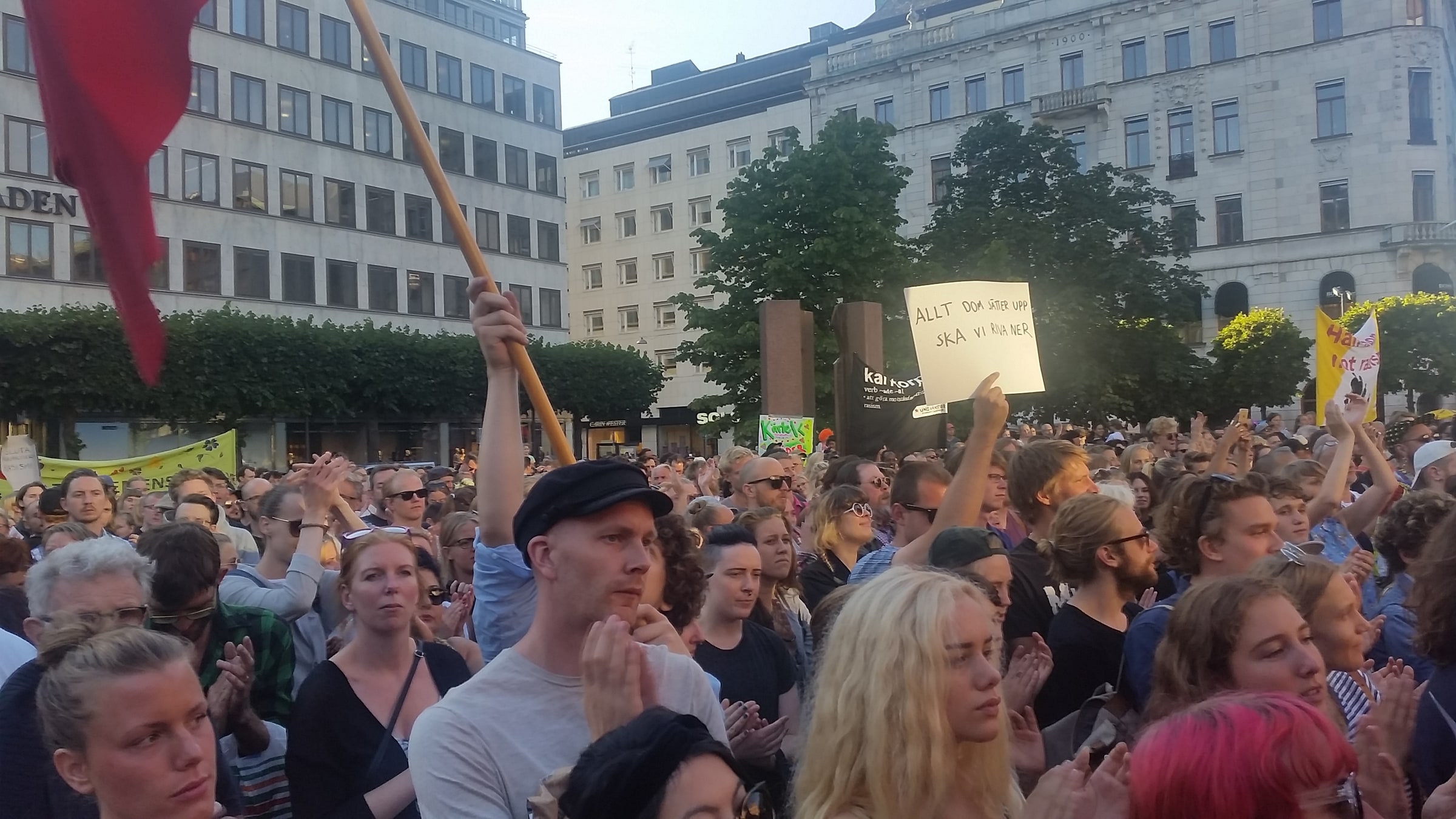
If Sweden wants fewer parallel rooms, it must make the common room genuinely open. That means enforcing anti-discrimination law, confronting exclusion at work and at the door, and standing together against racism in our shared civic spaces. Integration cannot mean that one group keeps every key while lecturing another for building a home of its own.

DailySweden
DailySweden's desk of editors, reporters, researchers and investigative journalists. We bring readers factual, truthful and objective reporting on the issues that matter to them.
Contact the editorial desk ›