
Swedish banks cannot reject accounts on risk alone, regulator says
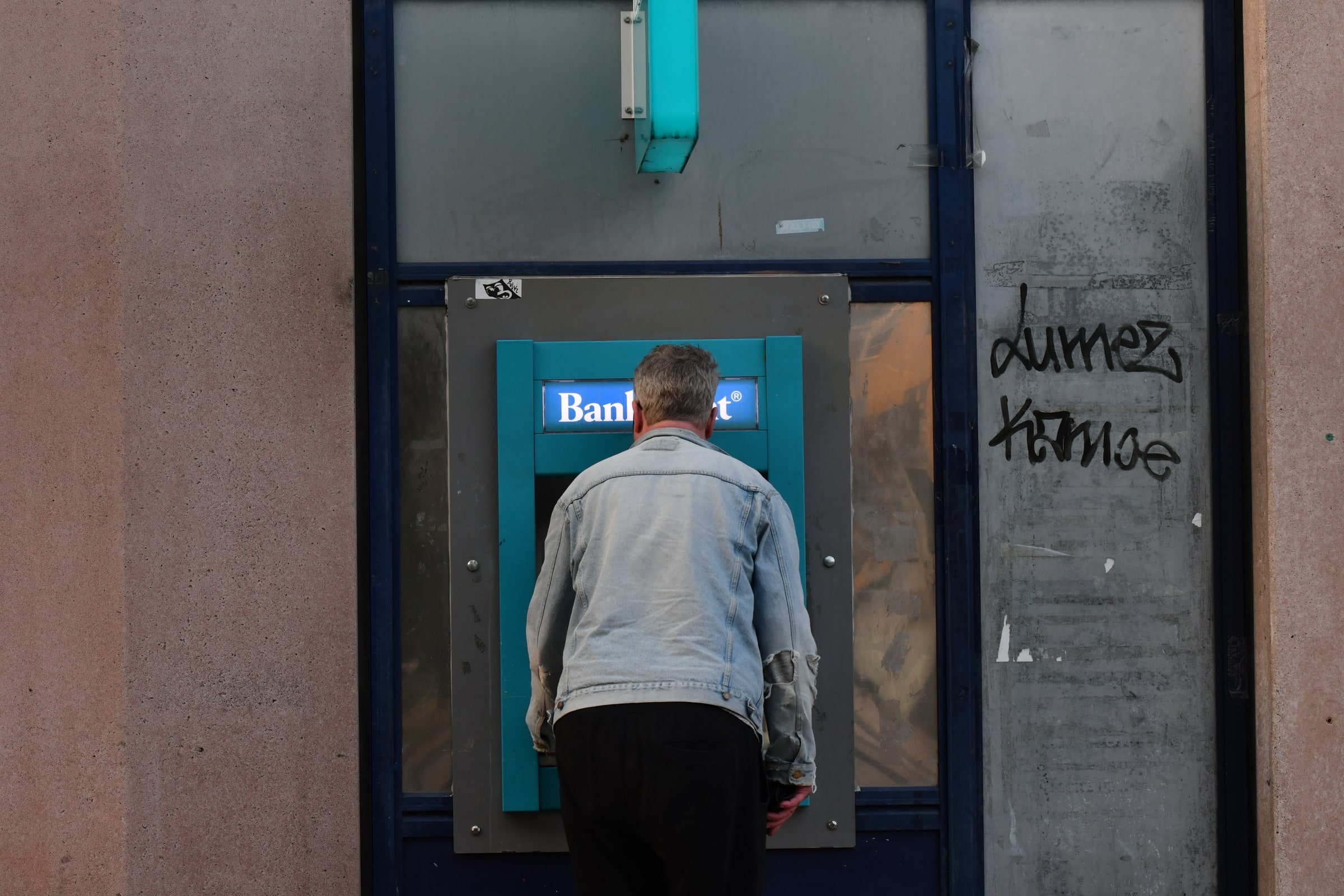
Swedish banks cannot refuse or close a basic payment account solely because a customer presents a higher money-laundering risk, the financial regulator says in new guidance aimed at reducing financial exclusion.
The guidance published Monday addresses existing rules. Finansinspektionen says losing access to banking can particularly harm asylum seekers, foreign workers and international students, making work, housing and everyday payments harder.
Banks must assess each person individually and consider measures to manage the risk before rejecting them. Another bank’s refusal or account closure cannot substitute for that assessment.
The right to a basic payment account covers consumers legally resident in the European Economic Area. Anti-money-laundering requirements still take precedence: banks may have to refuse customers when they cannot establish sufficient knowledge of them or manage the risks.
Basic accounts provide everyday services such as cash withdrawals, debit-card payments and transfers.
For asylum seekers without identity documents, FI points to its existing position allowing a more limited range of services under certain conditions.
A complete application must be decided as soon as possible and within ten banking days. Banks rejecting an application must give written, free information about how to challenge the decision, and explain their reasons where possible.
Customers can ask the bank’s complaints officer to review a refusal or take the dispute to Sweden’s National Board for Consumer Disputes, ARN.

DailySweden
DailySweden's desk of editors, reporters, researchers and investigative journalists. We bring readers factual, truthful and objective reporting on the issues that matter to them.
Contact the editorial desk ›