Sweden allocates SEK 45 million to regional Ebola response
Sweden will fund IFRC infection control, care and community support during the Bundibugyo Ebola outbreak.
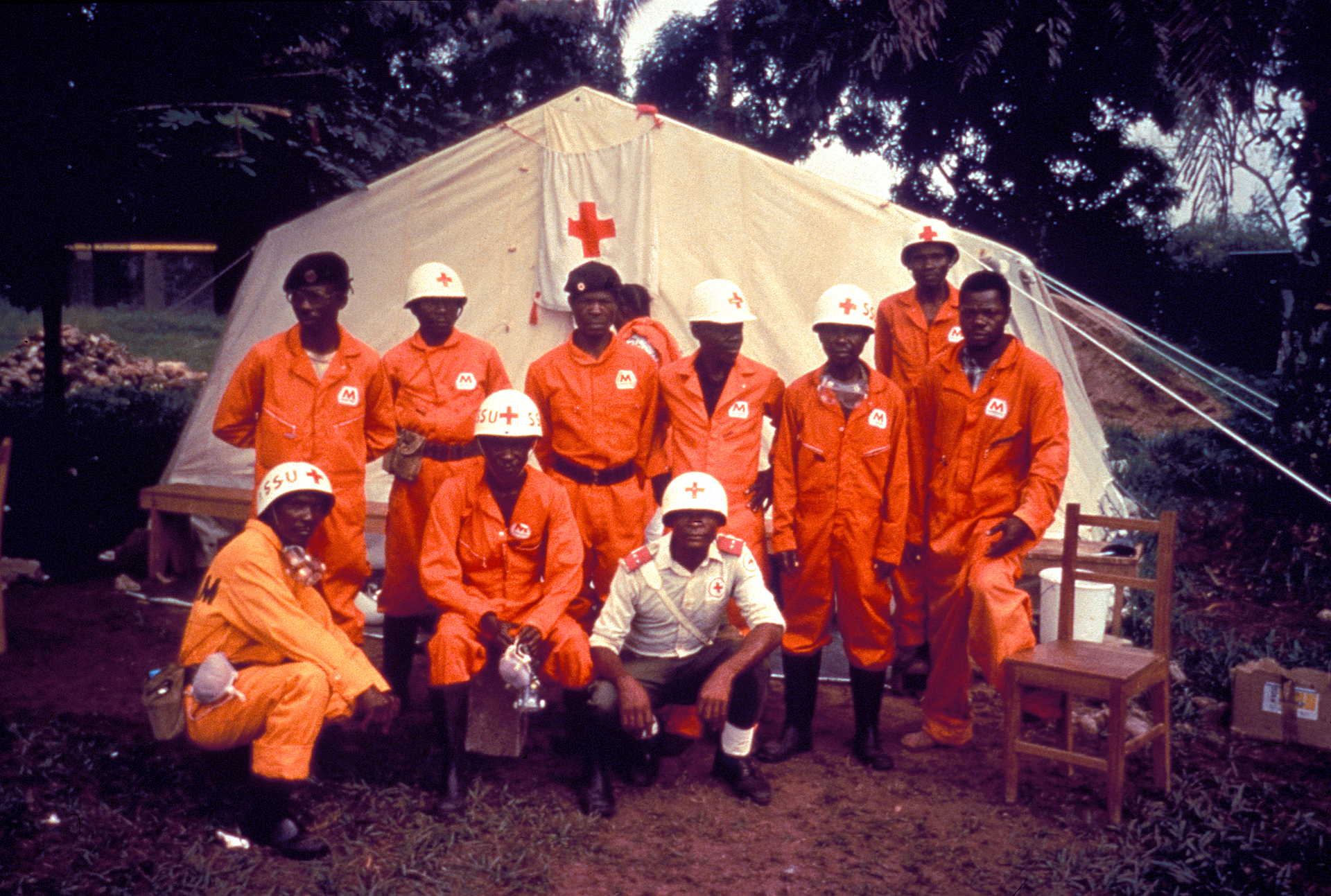
Sweden has allocated SEK 45 million to the International Federation of Red Cross and Red Crescent Societies for the regional response to the Ebola outbreak centred in the eastern Democratic Republic of the Congo. The government announced the decision on 12 July, saying the money is intended to help limit transmission, care for people who become ill and protect communities at heightened risk.
The government says the IFRC expects the Swedish contribution to help reach about 380,000 people. Its announcement does not provide a detailed spending breakdown or a disbursement timetable, so the precise mix of clinical care, surveillance, community information and other support has not yet been made public.
In the same announcement, ministers said the outbreak had affected more than 1,700 people and caused 600 deaths. Those are the Swedish government's figures and may combine case categories reported at different stages of an outbreak in which laboratory confirmation has been difficult. The government also said three provinces were affected and that isolated cases had recently been reported in two more.
The World Health Organization declared the outbreak a public health emergency of international concern on 17 May. WHO identified the cause as Bundibugyo virus disease, a form of Ebola for which there is no licensed vaccine or specific antiviral treatment. Early supportive care can improve survival, but the response depends heavily on rapid detection, isolation, contact follow-up, infection control and trusted communication with communities.
WHO's earlier outbreak updates described transmission in Ituri, North Kivu and South Kivu, as well as imported cases in Uganda. It also warned that insecurity, population movement, gaps in isolation and delayed laboratory testing were complicating the response. Those conditions make a local volunteer network particularly important, while also making reliable case counts and access to patients harder.
Sweden's government said more than 25 million people in the DRC already required humanitarian assistance before the outbreak. Conflict and pressure on the health system are therefore not background issues: they determine whether suspected cases can be reached, safely transported and treated without exposing families or health workers.
The new grant adds Swedish funding to an active international response, but it does not by itself indicate that the outbreak is contained. The public test will be whether the IFRC and its national-society partners can turn the allocation into timely access, safer care and faster interruption of transmission in areas where insecurity continues to restrict humanitarian work.

DailySweden
DailySweden's desk of editors, reporters, researchers and investigative journalists. We bring readers factual, truthful and objective reporting on the issues that matter to them.
Contact the editorial desk ›