
Karolinska study finds newborn collapse clusters in first hours
A Stockholm birth-record study finds sudden unexpected postnatal collapse remains rare but often occurs soon after delivery.
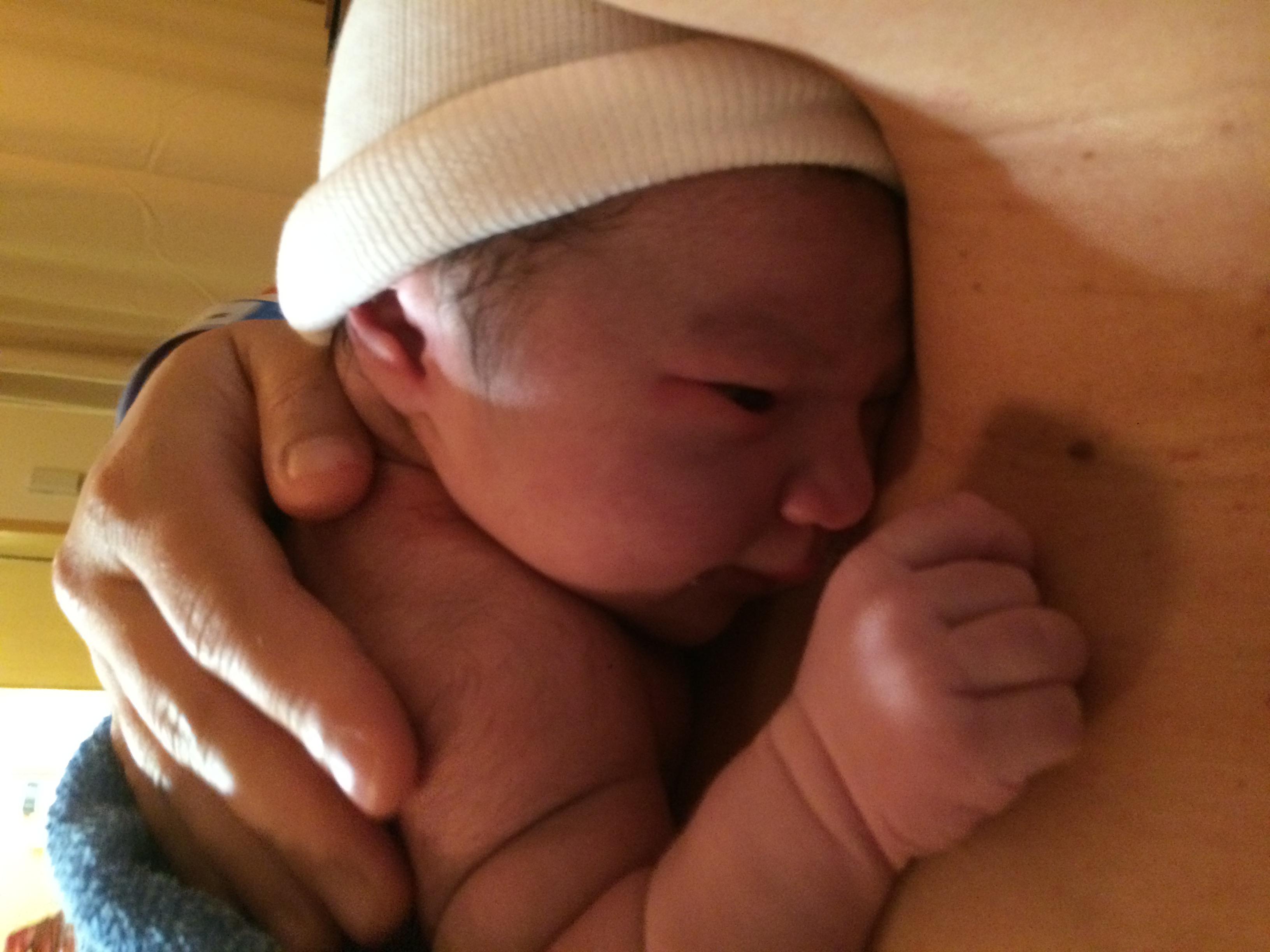
A new Karolinska Institutet study has found that sudden unexpected postnatal collapse remains rare but is concentrated in the first hours of a baby's life. The study, published online in Acta Paediatrica on 14 July, examined births at seven maternity units in Stockholm over two decades.
Researchers reviewed records from about 483,000 babies born between 2002 and 2022 after at least 35 weeks of pregnancy. They identified 149 cases that met internationally established criteria for sudden unexpected postnatal collapse, or SUPC. That is an incidence of 31 cases per 100,000 live births in the study population.
Timing was one of the clearest findings. Eighty-one per cent of the collapses occurred within 24 hours of birth, and half occurred within four hours. Seven per cent of the affected infants died and 26 per cent sustained permanent neurological injuries. Two-thirds of the cases occurred while the infant was sharing a bed with a parent.
Senior author Eric Herlenius said the findings would correspond to roughly 30 cases a year across Sweden, with two to four deaths. That is an extrapolation from the Stockholm cohort rather than a national registry count. The researchers say surveillance is difficult because SUPC does not have its own diagnostic code, which may also contribute to cases being missed in routine statistics.
SUPC describes an apparently healthy newborn who suddenly stops breathing and collapses during the first week of life. Medical records were searched for warning signs including pauses in breathing, blue skin discolouration and a sudden loss of muscle tone. Suspected cases were then assessed against the study definition.
The researchers stress that skin-to-skin contact remains important. Their safety message is to keep the baby's airway clear and visible, not to fall asleep while holding a baby skin to skin, and not to share a bed with an infant during the first three months. Parents in a maternity ward should follow the advice of the clinical team caring for them and their baby.
Because this was a retrospective record study, it can describe incidence, timing and associated circumstances but cannot prove that a particular position or care practice caused every collapse. The team also reported elevated levels of a prostaglandin E2 metabolite in some affected infants, but presented that as a lead for further work on breathing control rather than a diagnostic test.
The study was funded by the Swedish Research Council, the Swedish Brain Foundation and Swedish government research funding provided to Region Stockholm. Karolinska Institutet said the authors declared no conflicts of interest.

DailySweden
DailySweden's desk of editors, reporters, researchers and investigative journalists. We bring readers factual, truthful and objective reporting on the issues that matter to them.
Contact the editorial desk ›