MSF report documents widening attacks on healthcare in Ukraine
The aid group reports lost access to clinics, destroyed facilities and growing risks for patients and medical teams near the front line.
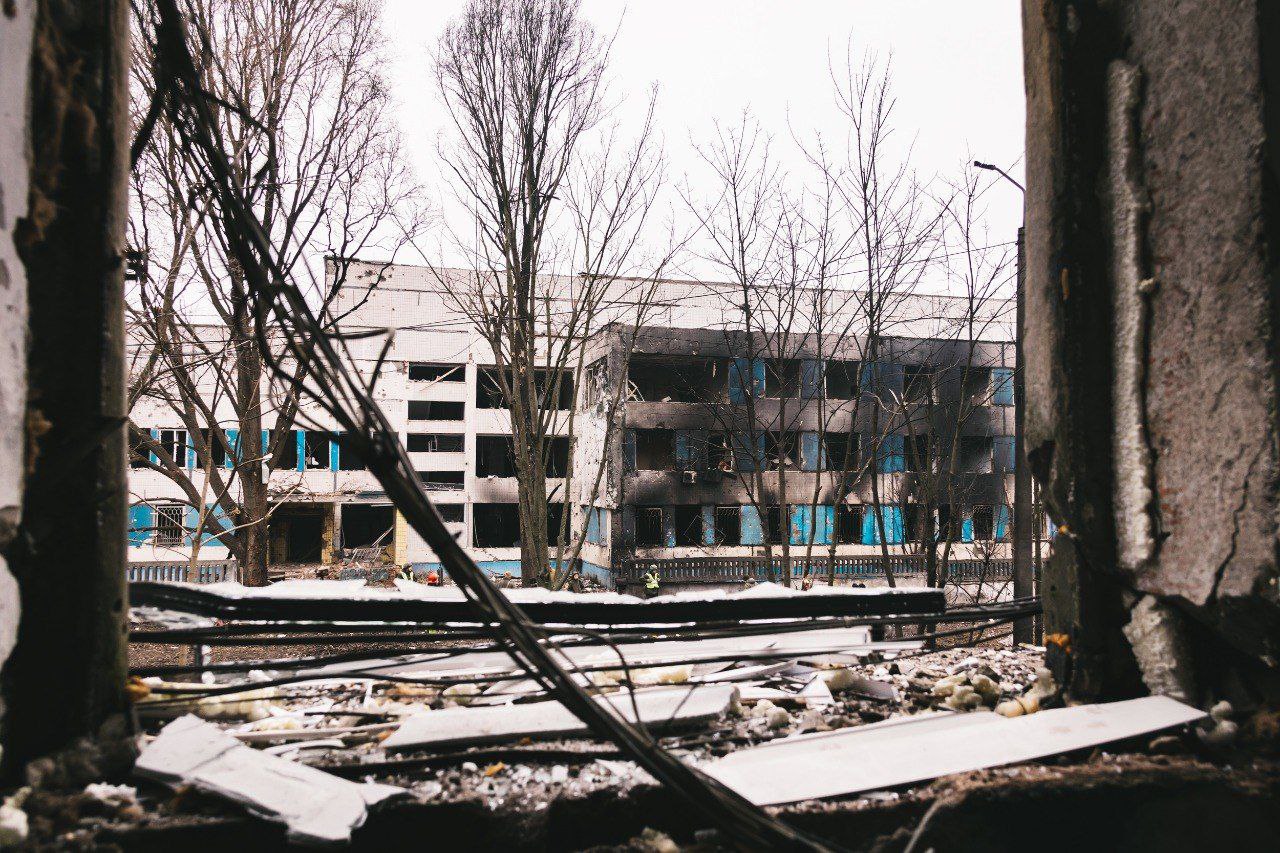
A new Médecins Sans Frontières report says attacks on healthcare in Ukraine are too frequent, consistent and precise to be treated simply as incidental damage from the war. Released on 13 July, No Safe Place to Heal argues that the pattern appears designed to weaken the health system and collectively punish civilians. That is MSF's assessment; determining criminal intent in individual attacks is a matter for a competent investigation and court.
MSF says it documented more than 20 attacks between April 2022 and December 2025 on facilities connected to its work. Four hospitals where it operated or provided support were completely destroyed, seven ambulance bases were abandoned, and mobile teams lost access to more than 80 villages across six regions.
The report links physical destruction with a wider loss of routine care. In an MSF survey of 187 civilians in areas near the front line, the share who said they could access healthcare always or most of the time fell from 72 per cent before the full-scale war to 35 per cent. The share reporting rare or no access rose from 7 per cent to 35 per cent. The sample documents the experience of those respondents; it should not be read as a nationwide poll.
Staffing and the nature of injuries are changing too, according to the aid group. At one MSF-supported hospital in Kherson, the number of doctors had fallen by 66 per cent since 2022. Medical teams also reported that drone strikes were producing more patients with several serious wounds at once, increasing the challenge of controlling bleeding, infection and sepsis.
Separate WHO monitoring supports the finding that attacks on healthcare are widespread, although it does not by itself establish intent. On 8 May, the World Health Organization said it had verified more than 3,000 attacks on healthcare since Russia's full-scale invasion. Around 80 per cent affected hospitals, clinics or other care settings. Roughly one in five involved ambulances or other health vehicles, and nearly one in three of those vehicle incidents caused casualties.
International humanitarian law protects patients, health workers, facilities and medical transport. MSF calls on all parties to meet those obligations and on governments with influence over Russia to press for an end to attacks on healthcare. The public materials released with the report do not include a response from Russian authorities to MSF's allegation of a deliberate pattern.
MSF's evidence is strongest as a record of what its own teams, partner facilities and patients experienced. It does not catalogue every incident in Ukraine. Read alongside WHO's independently verified total, however, it describes a health system losing buildings, vehicles, staff and safe access at the same time as conflict-related medical needs continue to rise.

DailySweden
DailySweden's desk of editors, reporters, researchers and investigative journalists. We bring readers factual, truthful and objective reporting on the issues that matter to them.
Contact the editorial desk ›