Gotland’s old garden plants are wanted for Sweden’s gene bank
If a fig tree, mulberry or onion has stayed in the same Gotland family since 1950, its story may matter as much as the plant. This weekend, Sweden’s national gene bank wants people to bring those memories to the island’s harvest festival.
The search will be at Gotland Grönt Centrum in Romakloster on 5 and 6 September. The current event asks visitors to tell the bank about older cultivated garden plants. Staff will also award one well-documented plant on Saturday afternoon. Tips can be sent online by people who cannot attend.
Age is only the first test. The detailed plant call looks for varieties known to have grown on Gotland in 1950 or earlier. It names kitchen and medicinal plants, houseplants, figs, mulberries, large-fruited nuts and irises. A plant bought recently from a nursery may be lovely, but it is not the living history this search needs.
The useful clue is often held by a person rather than written on a label. A neighbour may remember who divided an iris. An old photograph may show a fig against the house. A family story may place the same onion in a garden before the road was paved. The researchers need that chain because an old plant without a history is difficult to separate from a newer arrival.
When a tip is promising, the bank may take a cutting or division and grow it for comparison. SLU says the plant is then studied alongside similar material. If it proves distinctive and is not already held, it can enter the national collection at Alnarp and, sometimes, a local clone archive. The bank now holds about 2,300 plants; roughly 80 have Gotland origins.
That makes the gardener’s role unusually important. People are not being asked to decide whether a plant is rare or scientifically different. Their part is to remember: who grew it, where it stood, how far back the family can trace it and whether it came from another garden nearby. The experts can test the plant. They cannot reconstruct a lost chain of hands.
This is not preservation for a sealed display case. NordGen explains that older cultivated varieties can carry useful traits shaped by local conditions, as well as flavours, forms and stories that disappear when gardens become more uniform. Keeping the plant alive also keeps options open for future growing and breeding.
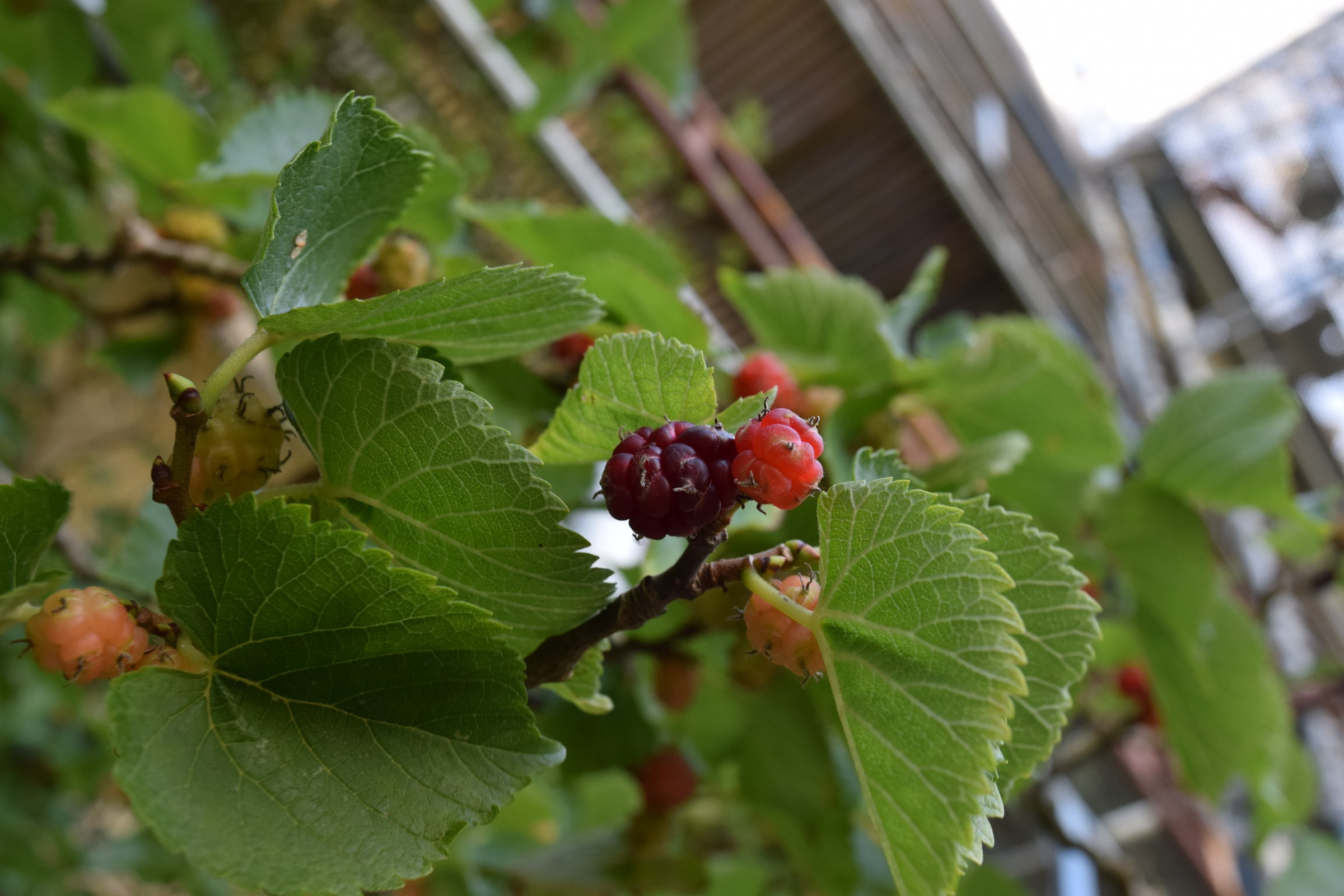
The mulberries in SLU’s photograph make that idea wonderfully small. One fruit is dark and ripe, another is still red, and several pale berries are forming behind the leaves. Nothing in the frame announces a national collection. It simply shows the kind of ordinary garden detail that can be overlooked until somebody asks where it came from.
The setting suits the search. Gotland’s festival programme joins local food, farms, animals and practical knowledge across the weekend. Visit Sweden lists it among the country’s 2026 food and drink festivals, with local producers, workshops and a food market. People will already be talking about what the island grows and tastes like.
That gives an inherited plant a rare chance to step out of the background. The owner does not need to arrive with a scientific name or a perfect family archive. A date, a place and the name of the person who passed it on can be the beginning. The small story told beside a festival table may become part of how Sweden remembers a garden.

DailySweden Lifestyle Desk
DailySweden Lifestyle Desk writes for DailySweden.
Contact the editorial desk ›