Sweden wants fewer asylum seekers. Its welfare system still needs workers from abroad
Sweden is relying more heavily on foreign-born workers in care and preschool. Researchers warn that lower immigration will make those services harder to staff.
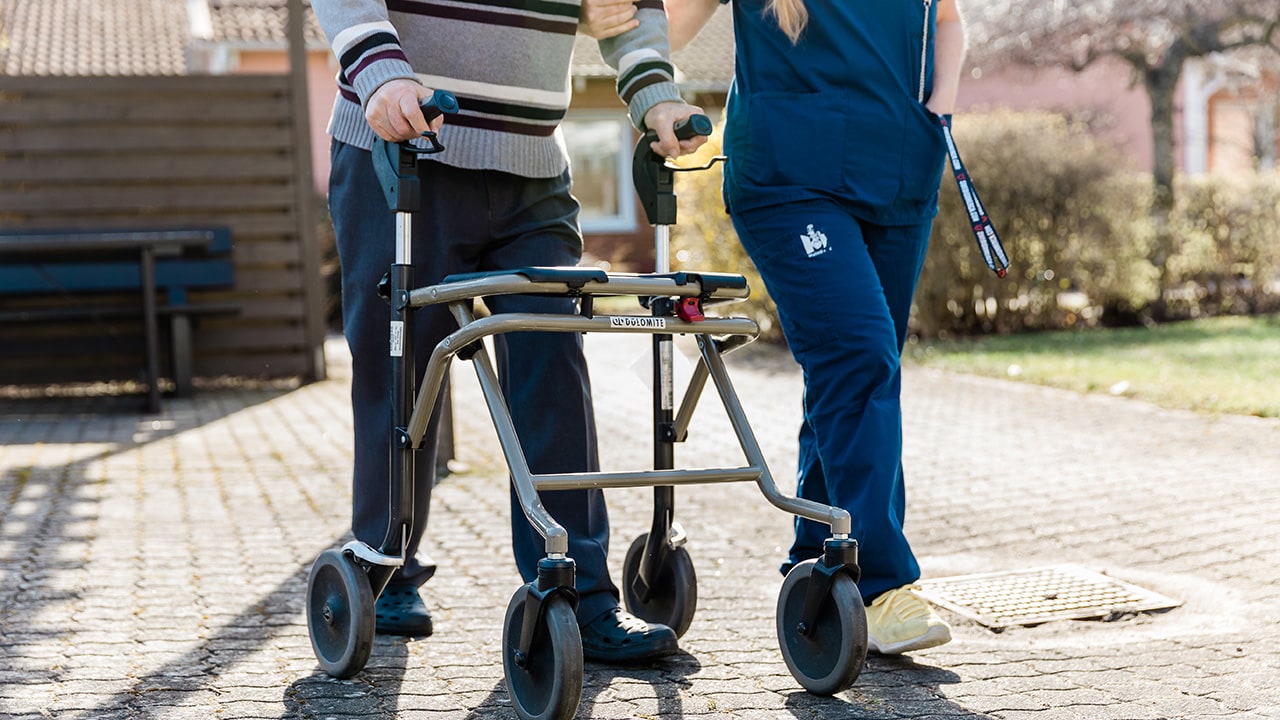
The welfare sector accounts for more than one-fifth of Sweden’s labour market and already has recruitment problems. Foreign-born employees have become increasingly important in care and preschool.
An IFAU report says lower immigration will reduce a historically important recruitment route. Sweden’s ageing population is also increasing demand for care, where many jobs are difficult to automate.
Parliament approved asylum changes on 9 June, and most took effect on 12 July. The government said the aim included continuing to reduce asylum immigration.
Parliament also approved work-permit rules that took effect on 1 June. The general salary threshold is 90 percent of the median wage. A government regulation exempts 27 shortage occupations and other groups, which use a 75 percent threshold. Important healthcare roles are among the exemptions.
Asylum seekers, family migrants and labour migrants enter under different rules, and not every newcomer fills a shortage. IFAU’s finding is narrower: lower immigration reduces a recruitment channel that care and preschool have used for years.

DailySweden
DailySweden's desk of editors, reporters, researchers and investigative journalists. We bring readers factual, truthful and objective reporting on the issues that matter to them.
Contact the editorial desk ›