Foreign-born workers power Sweden's venture-backed clean-tech transition
A majority of employees in Swedish venture-backed clean-tech portfolio companies were born abroad.
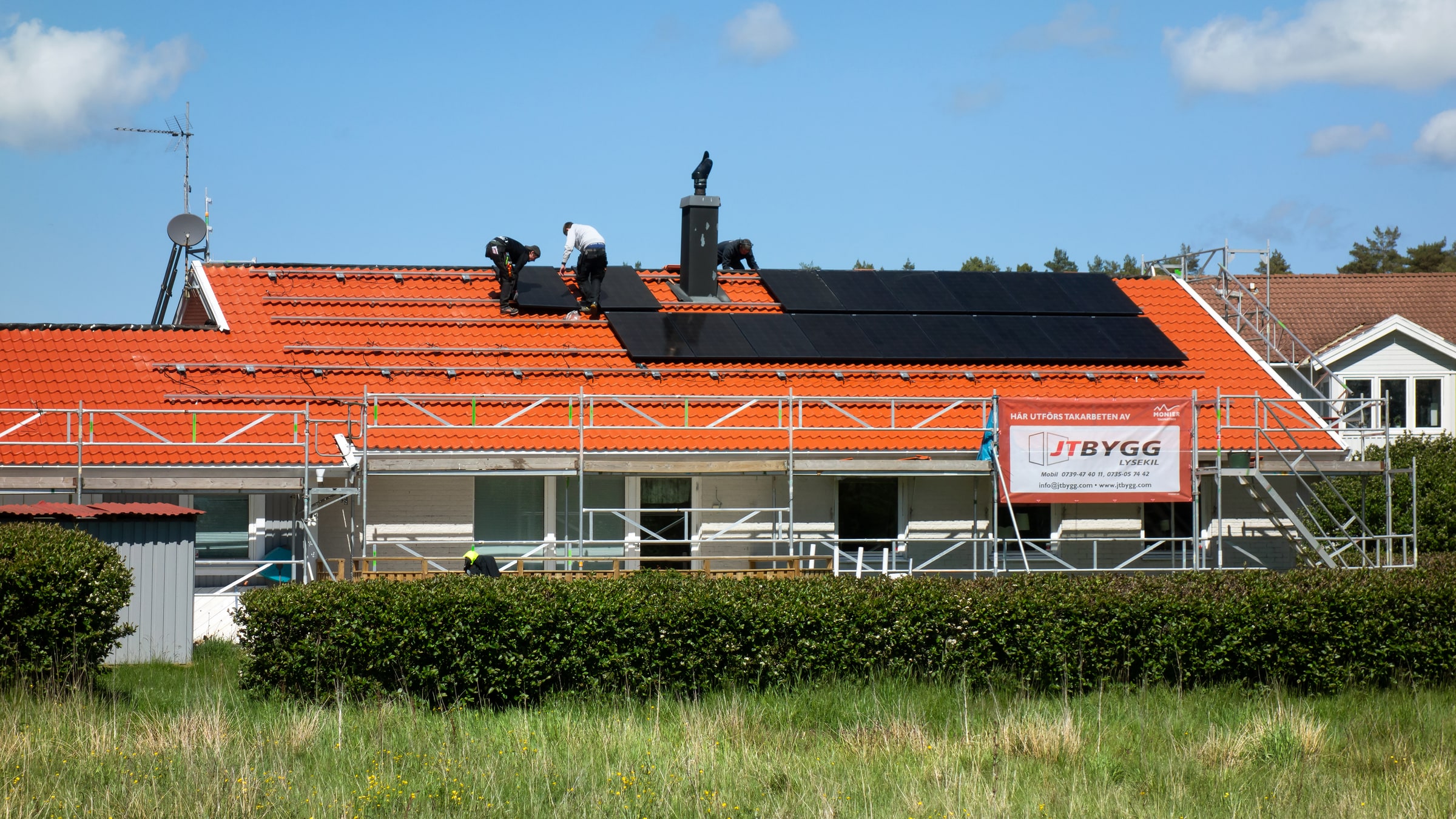
Sweden's venture-backed clean-tech companies depend heavily on international talent: foreign-born workers make up a majority of their employees. That reliance makes permits and retention part of industrial policy, while public debate often treats them as separate migration questions.
Listen to this articleNarrated - 9:12
The government-backed Work in Sweden programme is meant to improve the country's ability to attract, establish and retain highly qualified people from abroad. Clean technology is one place where that labour is already embedded.
A Growth Analysis portfolio study found that foreign-born workers formed a majority of employees in Swedish clean-tech companies backed by venture capital, with their share increasing over time.
The research covers venture-capital portfolio firms, not every clean-tech company in Sweden. It also does not calculate each worker's causal contribution to growth, exports or emissions reductions.
Its importance is structural. Companies presented as part of Sweden's future industrial advantage are already drawing much of their workforce from beyond the native-born labour pool. Talent policy is therefore part of climate and competitiveness policy, not a separate migration debate.
Government should report permit timing, retention and occupational matching for this sector alongside investment figures. If international workers supply most labour in the companies expected to deliver the transition, avoidable permit or settlement friction becomes an industrial risk Sweden can measure and fix.


