Sweden adopts rehabilitation strategy to narrow care gaps
The 2026–2030 plan sets seven priorities and gives Socialstyrelsen responsibility for implementation support and follow-up.
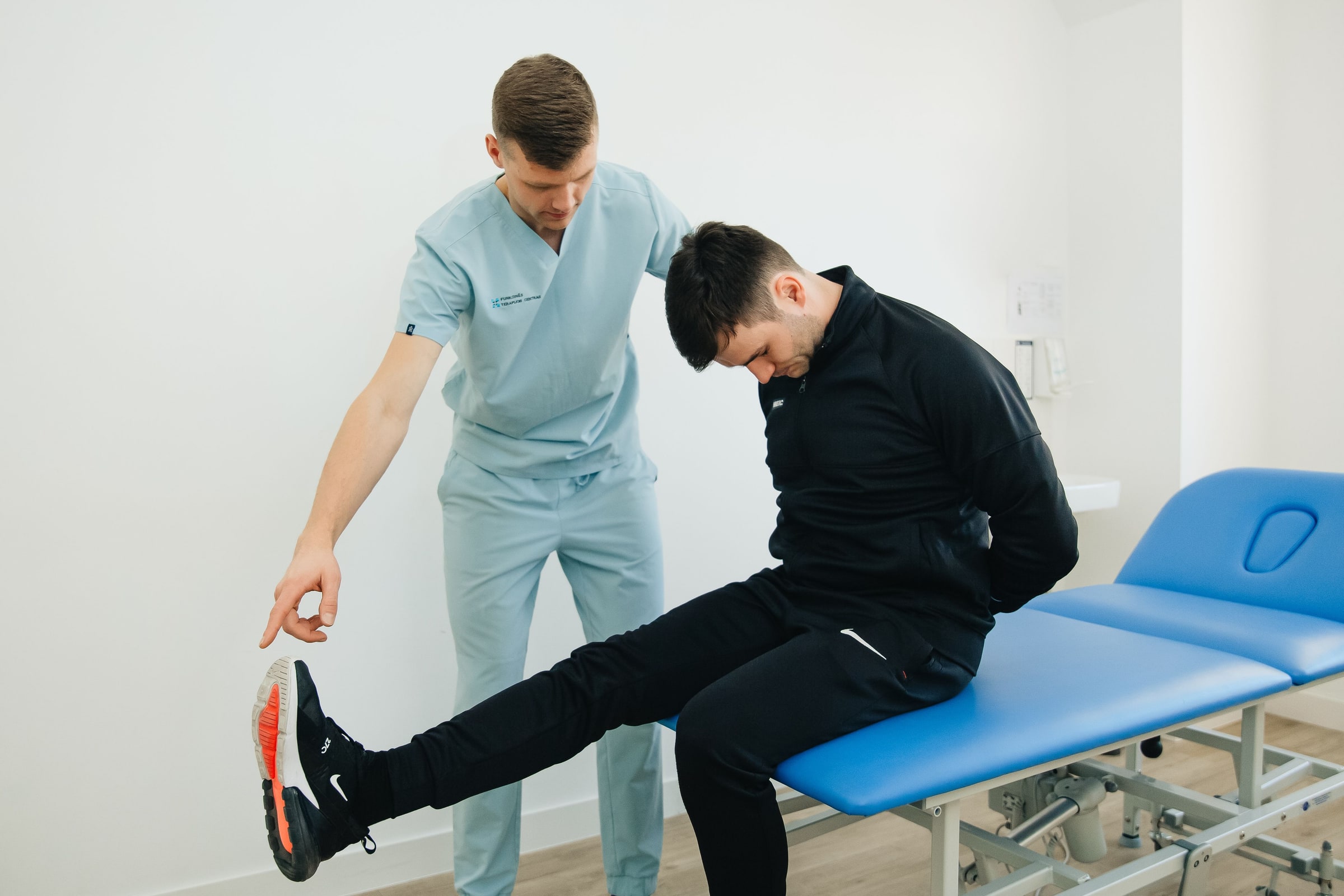
Sweden has adopted a four-year plan for rehabilitation, habilitation and assistive devices after acknowledging that access still varies across the country. Its practical test is whether national direction can change what patients receive from different regions and providers.
The government adopted the strategy on 9 September. It covers 2026–2030 and applies across primary, municipal, specialised and highly specialised healthcare.
Official material says access to rehabilitation, habilitation and assistive devices differs between parts of Sweden, service areas and responsible authorities, regardless of whether care is publicly or privately operated.
The plan is intended to guide regions, municipalities, providers and authorities as they prioritise and develop services. Socialstyrelsen must support implementation, monitor measures and results, spread information and develop initiatives linked to the strategy.
The strategy document sets seven priorities: patient participation; staffing and skills; knowledge management; monitoring and evaluation; readiness for future challenges; smaller differences in assistive-device provision; and stronger habilitation support for people with disabilities.

DailySweden
DailySweden's desk of editors, reporters, researchers and investigative journalists. We bring readers factual, truthful and objective reporting on the issues that matter to them.
Contact the editorial desk ›