
Sweden’s foreign-born voters trail Swedish-born voters by 22 points
Turnout was 89% among Swedish-born voters but 67% among foreign-born voters. Before September’s election, who is responsible for closing that political-voice gap?
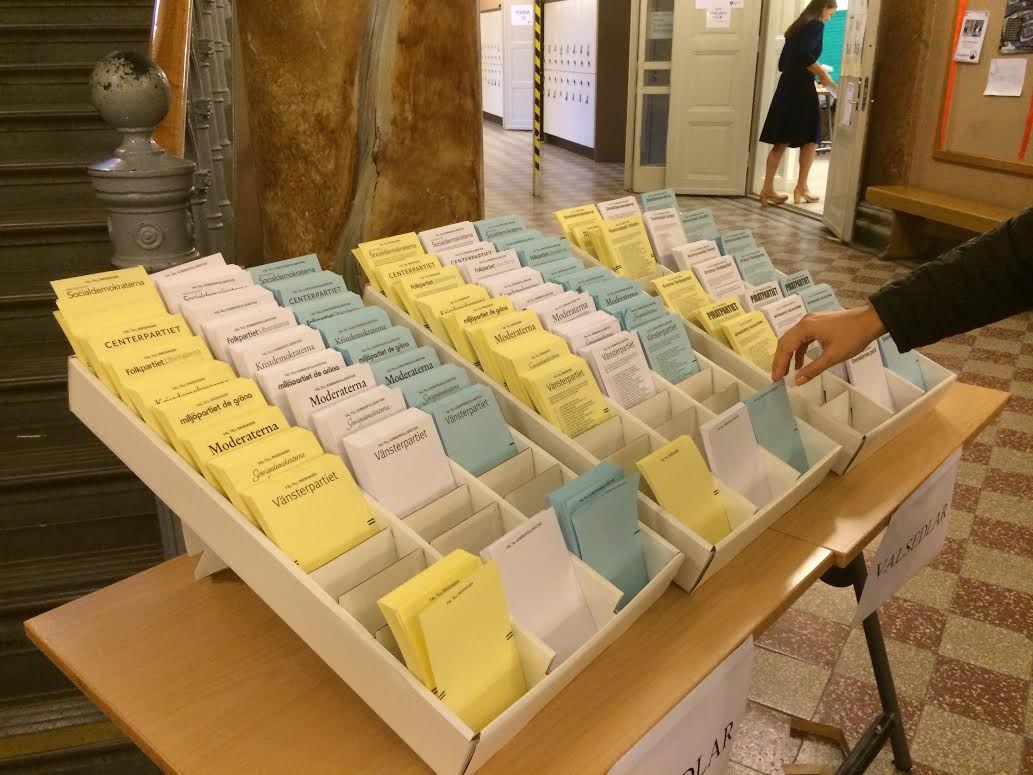
Sweden's 2022 parliamentary election had 84 percent turnout, a level many democracies would celebrate. Behind it was a 22-point gap between voters born in Sweden and those born abroad: 89 percent compared with 67 percent.
The difference does not disappear with age. Statistics Sweden found lower participation among foreign-born voters throughout the age distribution. People born in Sweden to two foreign-born parents voted at 77 percent, compared with 90 percent among those with two Swedish-born parents.
These figures do not reveal why an individual stayed home. Citizenship, time in Sweden, education, income, campaign contact, trust and political habit can all shape participation. The statistics describe a democratic outcome, not a deficit inside a group.
Belonging becomes political when some residents are consistently less likely to use the vote they hold. A persistent turnout gap means election results give less weight to the political choices of communities with lower turnout.
Sweden's next election can raise the average and still fail this test. The democratic question is whether public information, political organising and representation make participation equally reachable.

DailySweden
DailySweden's desk of editors, reporters, researchers and investigative journalists. We bring readers factual, truthful and objective reporting on the issues that matter to them.
Contact the editorial desk ›