Passing SFI is linked to work, but hiring barriers remain
SFI graduates were more likely to be working or studying, but language classes cannot remove discriminatory recruitment or inaccessible hiring systems.
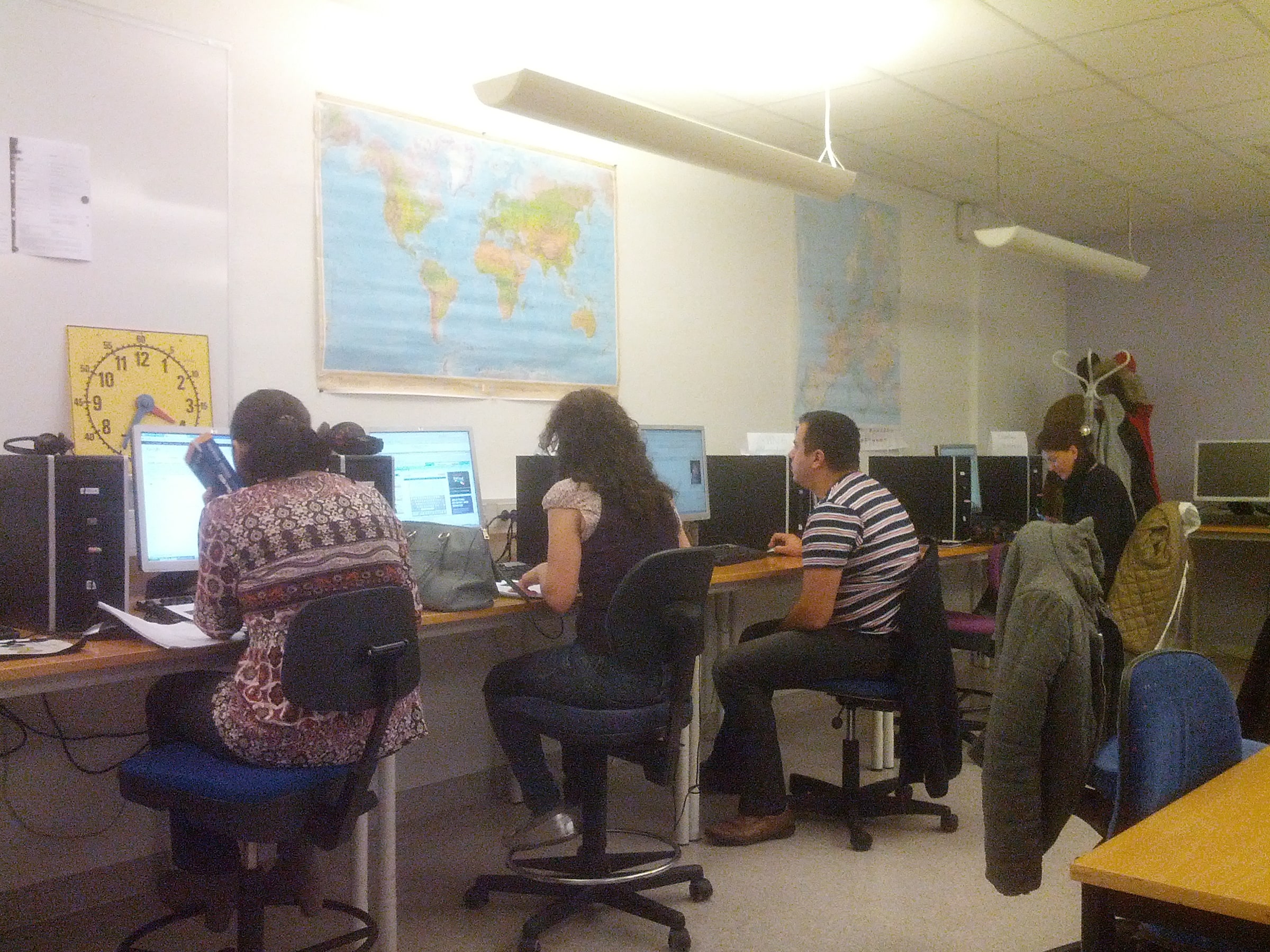
More than nine in ten people who arrived in Sweden as refugees or refugee family members between 2014 and 2018 participated in Swedish for Immigrants, SFI. Most completed a course with a passing grade, and six years after immigration employment or study was more common among those who had passed.
Statistics Sweden describes an association, not proof that the SFI grade caused the later outcome. The analysis did not randomly assign who passed, so other differences between the groups may also shape later work or study outcomes.
A narrower Swedish hiring experiment tested fictitious Syrian applicants for low-skilled jobs. It found no sizeable increase in employer callbacks from signalling completed language classes or previous work experience. That result is not a verdict on SFI. A separate Swedish field experiment found that discriminatory employer choices helped channel foreign-named applicants into immigrant-dense occupations. Together, the studies show why classroom progress cannot be treated as the whole labour market.
Language matters because it expands a person's choices. Employers and institutions still decide whether foreign experience is recognised, whether a candidate receives a first Swedish reference and whether work can be combined with further learning.
Sweden should therefore measure SFI by learning and progression while also measuring the doors that remain closed after the classroom.

DailySweden
DailySweden's desk of editors, reporters, researchers and investigative journalists. We bring readers factual, truthful and objective reporting on the issues that matter to them.
Contact the editorial desk ›