SUNDAY 16 AUGUST· STOCKHOLM · THE DAY IN 5 STORIES

Approved SFI breaks cut the time left to finish

Parental leave or work can take an SFI learner out of class. Returning does not necessarily mean the same amount of study time remains.
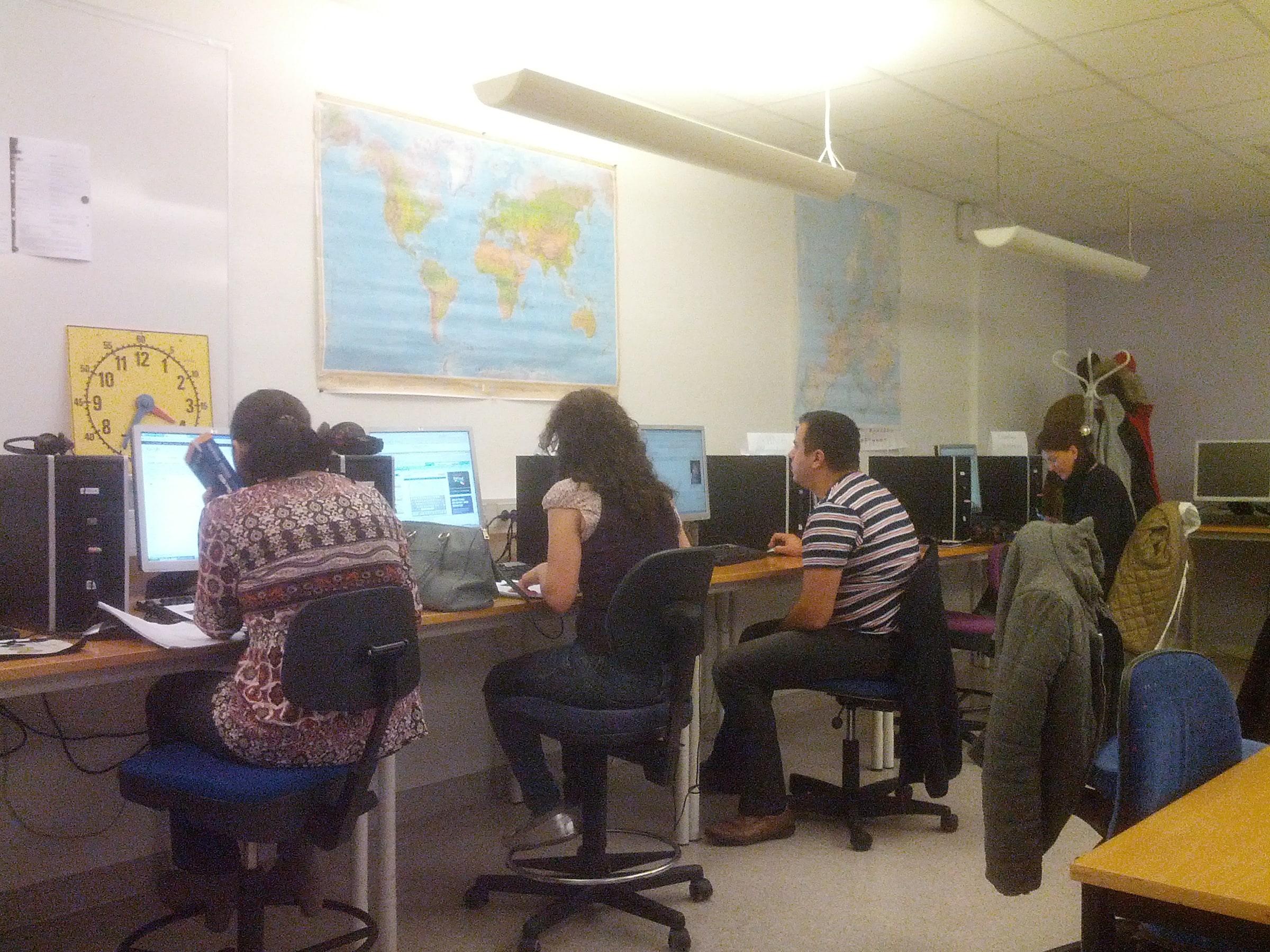
Adult SFI learners work at desktop computers during a workshop in Värnamo in October 2013.
Adult SFI learners work at desktop computers during a workshop in Värnamo in October 2013.. Image: User:Ainali / Wikimedia Commons / CC BY-SA 3.0

An SFI student can leave class with permission for parental leave or work. On returning, those months may already have counted against a deadline fixed long before the break, reducing the time left to finish Swedish.

Listen to this articleNarrated - 9:12

Since 1 January 2026, Sweden has normally limited the right to SFI to three years. Skolverket says the period begins on the day the municipality first admits someone to the course. It then follows the calendar rather than the number of lessons attended. Three years later, the ordinary entitlement ends.

People who entered SFI before 2026 follow a common transition instead of an individual start date: their three years run from 1 January 2026 to 31 December 2028. Earlier SFI study does not shorten that fixed period, but every absence after 1 January uses part of it. A learner admitted after the change gets three years from their own first-admission decision.

Moving to another municipality does not restart the three years. The first provider must record the original admission date in the learner’s individual study plan and send the plan to the new provider. A new classroom, teacher or municipality therefore inherits the same end date.

Course attendance follows a separate rule. Skolverket’s student guide says more than three consecutive weeks away without an approved reason counts as leaving SFI. Sick leave or permission from the headteacher can protect the learner’s place, but neither stops the three-year period from advancing.

The municipality can grant more time when personal circumstances give the learner special reasons. Skolverket lists parental leave, illness, work and other study among the examples. Each extension can cover no more than six months, and all extensions together can add no more than three years. The municipality must receive and decide the request before the current period expires.

That makes evidence part of the decision. A learner relying on illness, parental leave, employment or another course should keep the records that show when and why the interruption happened. If the municipality refuses an extension, the learner can appeal to the Board of Appeal for Education. The same board can review a decision to end SFI for insufficient progress.

Part-time study does not buy a learner more calendar time. A reduced timetable may help someone combine Swedish with shifts or childcare, but it does not slow the three years. Skolverket tells providers to adapt teaching times to students’ needs. The law still measures the right to attend from the original admission day.

The government argued in its legislative proposal that a three-year limit would concentrate study and move more learners towards work or further education. It also acknowledged that people arrive with very different educational backgrounds. Municipalities now decide whether those differences give a learner special reasons for more time.

Ask the municipality for the recorded first-admission date now, document any illness, parental leave, work or other study, and request an extension before the three-year period expires. A learner who knows that date can plan against the period the municipality will actually use, rather than the months spent in class.

DailySweden logo

DailySweden

DailySweden's desk of editors, reporters, researchers and investigative journalists. We bring readers factual, truthful and objective reporting on the issues that matter to them.

Contact the editorial desk ›
All stories