
They said “too drunk”. Complaints describe ethnic discrimination at Sweden’s club doors
Complaints to Sweden’s Equality Ombudsman describe sober or lightly drinking guests being refused entry, ejected or denied tables on grounds they believe concealed ethnic discrimination.
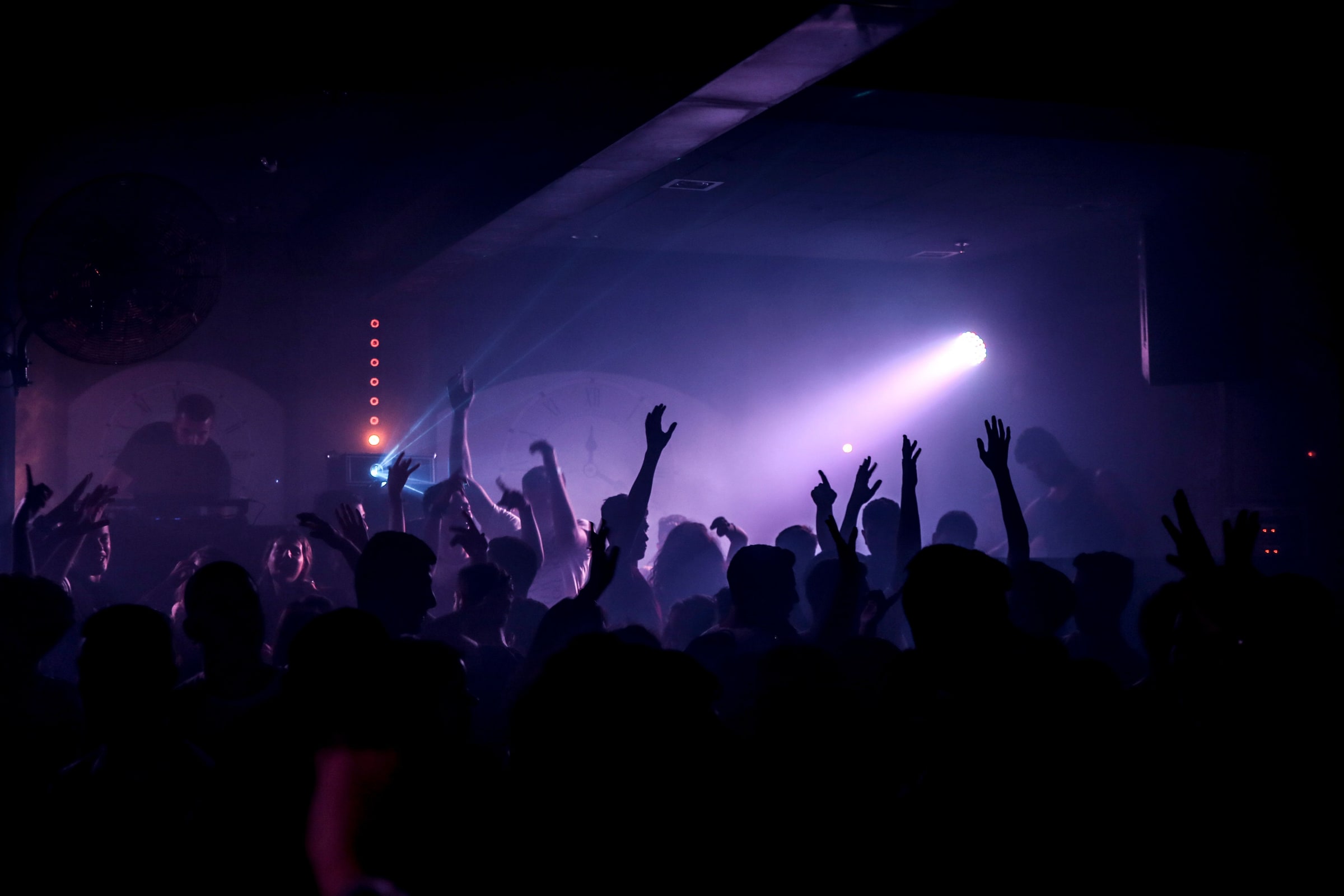
“Too drunk” is one of the most common reasons people say they were given when refused entry to a club or removed from a venue, according to Sweden’s Equality Ombudsman. Many complainants say they had consumed little or no alcohol.
DO says complaints about ethnicity-related discrimination in the restaurant and nightlife industry have increased in recent years. Many complainants are men. Their accounts include people refused entry by security staff, ejected after being admitted, treated as suspicious, or told a restaurant was full despite visible space.
Some also describe dress codes they believe were applied in a discriminatory way. The repeated pattern is that venues cite another reason while the complainant believes ethnicity shaped the decision.
These are complaints, not findings that every venue broke the law. But the legal boundary is clear: Sweden’s Discrimination Act prohibits ethnic discrimination when goods or services are offered to the public.
DO says it is now working to improve industry knowledge of that ban and public awareness of the right to complain. The rising reports make one question harder to dismiss: when a seemingly neutral explanation is used at the door, who gets believed?

DailySweden
DailySweden's desk of editors, reporters, researchers and investigative journalists. We bring readers factual, truthful and objective reporting on the issues that matter to them.
Contact the editorial desk ›