Elisabeth Thand Ringqvist can choose the right. She should not take voters for fools
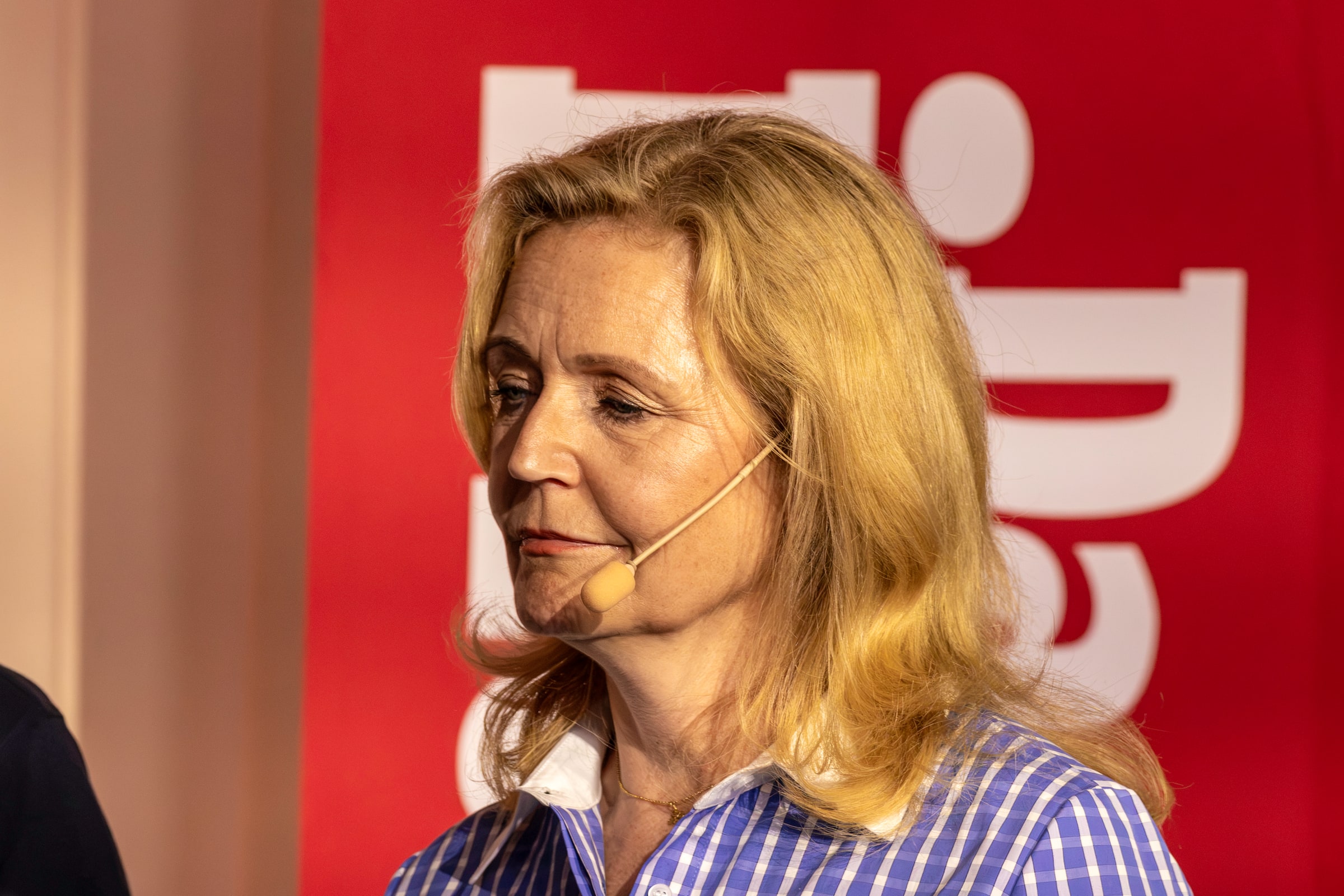
Elisabeth Thand Ringqvist can choose Ulf Kristersson. She can argue that his economic policies are closer to hers, that negotiations with the left have failed, or that a right-wing government offers the compromises she prefers. But she should respect voters enough to acknowledge what her choice entails: a government whose parliamentary position gives the Sweden Democrats continuing leverage.
Her defence rests on the Sweden Democrats remaining outside government, without ministers or a structured budget agreement. She also says no promises have been made to them. Those are meaningful distinctions, but they cannot carry the weight she places on them. A party does not need a ministerial office to exercise power. Her explanation
The proposed government of the Moderates, Centre, Christian Democrats and Liberals would have 136 seats. The Social Democrats, Left Party and Greens together have 151. The Sweden Democrats have 62. When the red-green parties vote together against the government, Kristersson needs help from the Sweden Democrats or an agreement across the political divide. The election results leave little room for comforting wordplay.
That arithmetic would shape his government every day of the week. It would influence which proposals ministers bring forward, what they negotiate and which battles they avoid. Åkesson would not have to sit around the cabinet table for his parliamentary strength to enter the room.
Thand Ringqvist may believe she can manage that dependence. She owes voters an explanation of how.
Her boundary against the Left Party appears much firmer. She told SVT that she had informed her party board she was not the person to lead Centre into a government containing the Left Party, or into an extra election. This was a personal statement about the conditions under which she would continue to lead. SVT’s reporting
Her choice therefore invites a straightforward judgment: the red line against the Sweden Democrats was never quite as red for her as the line against the Left Party.
She has a case to make. Negotiations have dragged on. The Left Party has insisted on cabinet representation. She argues that the proposed agreement would advance liberal rights, climate policy and other priorities. Those claims deserve scrutiny on their merits. They do not turn her preferred outcome into an unavoidable decision for which everybody else is responsible.
The economic interests involved deserve equal attention. Företagarna’s chief executive welcomed the rightward move, telling Omni that removing the sickness-pay deduction, raising taxes and shortening the working week had become less likely. His reaction offers a concrete account of what business interests expect to gain. Omni’s interview
For workers, those same questions concern income during illness, time with their children and the physical cost of earning a living. They deserve more than being treated as obstacles to a business-friendly agreement.
If Thand Ringqvist considers those economic priorities worth accepting the Sweden Democrats’ leverage, she should defend that trade-off openly. Voters would be entitled to judge her choice as putting business interests before working people’s security.
She cannot expect credit for an uncompromising stand against the nationalist right while asking voters to accept a government exposed to its parliamentary power.
This is her recommendation, her argument and her responsibility. She can choose the right. She should stop asking voters to pretend that the choice leaves her red line untouched.

DailySweden
DailySweden's desk of editors, reporters, researchers and investigative journalists. We bring readers factual, truthful and objective reporting on the issues that matter to them.