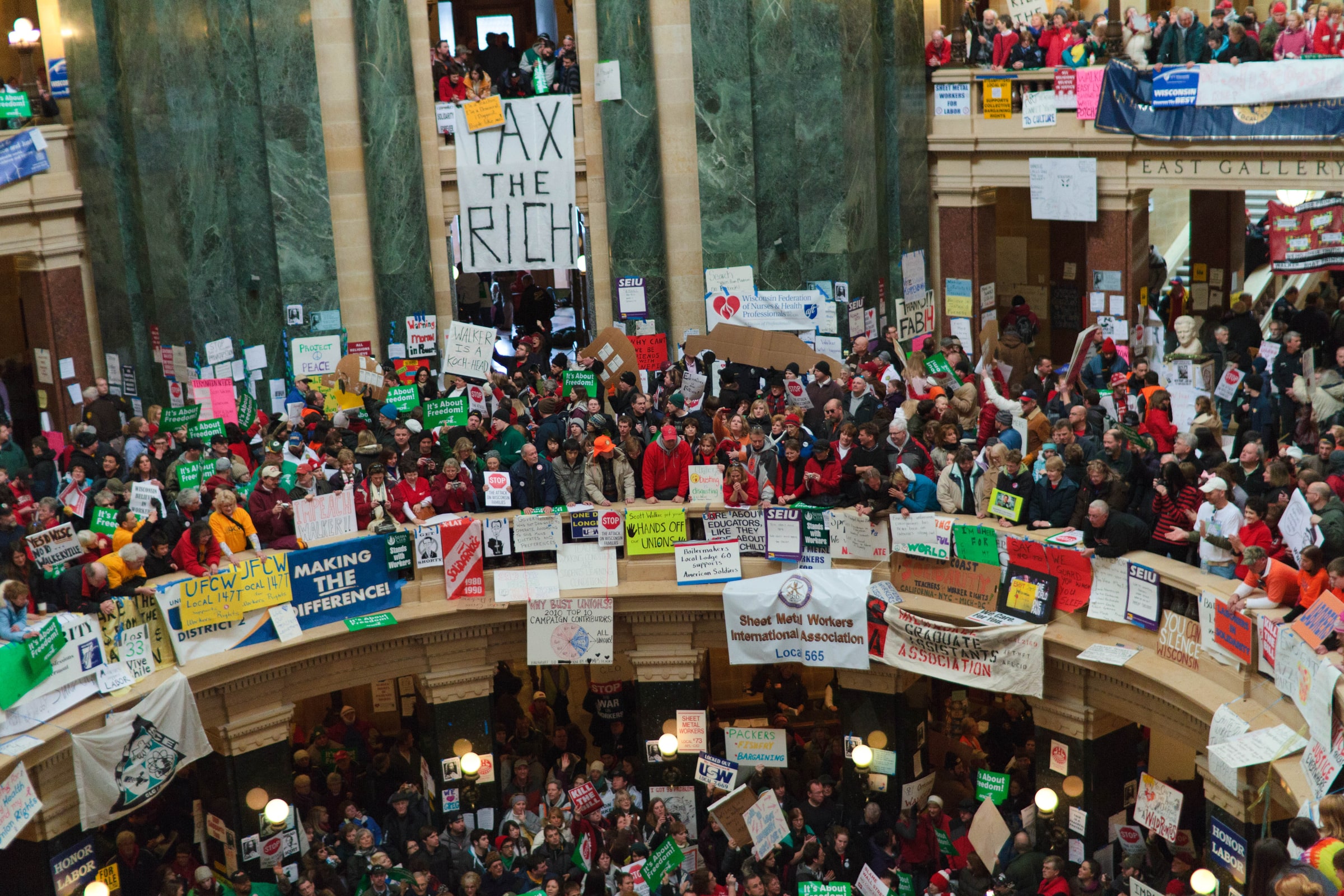
Centre is helping make the case for taxing the rich

If Centre wants to understand the appeal of taxing extreme wealth, it should consider the message sent by its refusal to contemplate Left Party ministers. A party that makes cooperation conditional on excluding a rival risks convincing people that some economic interests will always receive a more sympathetic hearing than others.
Centre’s stated position concerns who may enter government. It is not, by itself, a veto on a particular wealth-tax proposal. The political problem is broader: excluding a party strongly associated with redistribution before testing a shared programme can look like an attempt to limit which economic demands receive consideration at the highest level.
There is already a substantial audience for those demands. A Verian survey commissioned by Oxfam, published in June, found that 53 per cent supported a tax on fortunes exceeding SEK1 billion. The survey involved 1,056 respondents aged 18 to 84. Oxfam campaigns for such a tax, and the finding measures support at one point in time. It nevertheless deserves attention.
The appeal is understandable. People who pay tax on their earnings are entitled to ask how the burden should be shared with those who hold exceptionally large fortunes. They do not have to reject business, investment or personal success to believe that extreme wealth should carry greater obligations towards the society in which it accumulated.
Centre has more to offer than a defence of wealthy people. Its own economic programme proposes lower taxes for low and middle earners and better conditions for small businesses. Those commitments matter. But they also make its categorical objection to Left Party ministers harder to justify without explaining which negotiated reforms would actually threaten those goals.
The danger for Centre is that its red line makes economic disagreement look socially unequal. People seeking redistribution are asked to accept that one prominent advocate must remain outside the cabinet. Centre, meanwhile, reserves an absolute condition for itself. However sincerely that position is held, it invites the suspicion that compromise means accepting the limits preferred by those most comfortable with existing arrangements.
That suspicion does not establish that any particular wealth tax would work. A credible proposal must explain how assets would be valued, how avoidance would be addressed and how liabilities would be handled when wealth was difficult to turn into cash. Investment and employment consequences deserve serious scrutiny. Popular support cannot answer those practical questions on its own.
But Centre would be better placed to make that case by engaging with the proposals and offering a convincing account of fair taxation. Demanding evidence from advocates of redistribution should come with an equally clear explanation of how Centre would fund dependable services and distribute the costs.
The red line offers no such explanation. It gives campaigners for taxing the rich a persuasive example of an economic disagreement being turned into a condition about who may govern. Centre cannot control how voters interpret that choice. It can decide whether to keep defending an absolute exclusion or demonstrate that protecting enterprise leaves room for a serious negotiation over what the wealthiest should contribute.

DailySweden
DailySweden's desk of editors, reporters, researchers and investigative journalists. We bring readers factual, truthful and objective reporting on the issues that matter to them.
Contact the editorial desk ›