Women politicians face sexualised abuse for doing their jobs
The attacks do more than wound the person targeted. They narrow who speaks, what gets discussed and what voters hear.
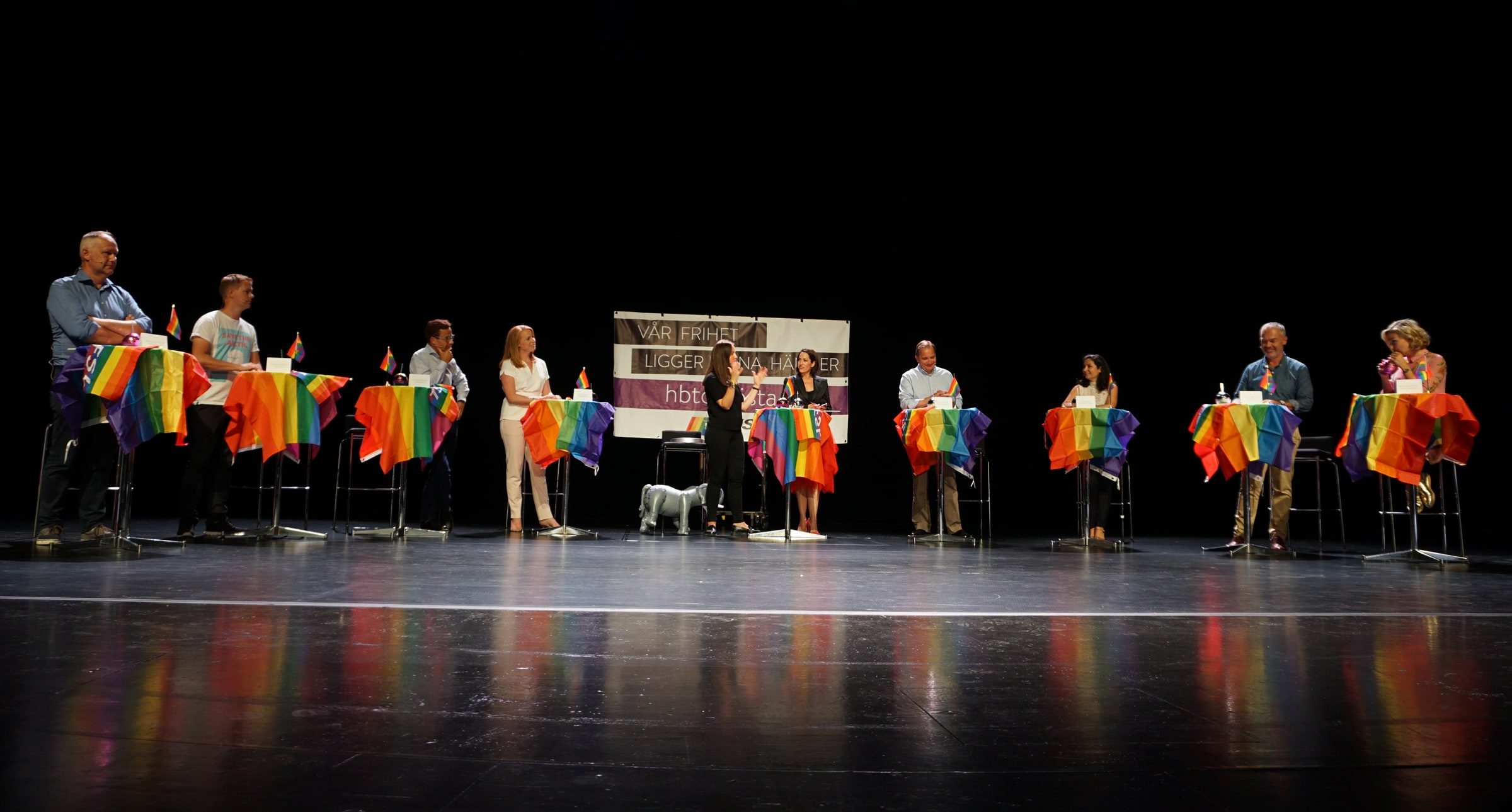
A political post can bring abuse about a woman’s body or sexuality before anyone answers what she actually said. The damage deepens when she withdraws from social media or avoids an issue to escape the next attack.
Listen to this articleNarrated - 9:12
Sweden’s Gender Equality Agency reported ahead of the 2026 election that one in four elected officials faced threats, hate, harassment or violence during 2024. Among members of parliament, the share was 65 percent. Women were affected slightly more often than men, but the form differed: attacks on women more often concerned appearance, gender or sexuality.
The agency’s figures also show what that pressure does to public participation. Sixty percent of exposed women reduced their social-media activity. Women reported avoiding certain debates and subjects, or expressing themselves less openly. That is not merely a private cost. It changes who speaks, what is discussed and which voters hear from their representatives.
Since July 2025, municipalities and regions have had a clearer duty to prevent ill health and violence among full-time and part-time elected representatives. The new responsibility includes routines for reporting and documenting threats, support with social media and digital-security training.
The duty puts the next decision with parties and public bodies: whether they assess risks, record attacks and support women before repeated abuse pushes them out of public debate. The practical test before the election is whether women can argue policy without calculating the personal cost of being visible.


