
Survey finds wider voting pressure in Sweden’s vulnerable areas
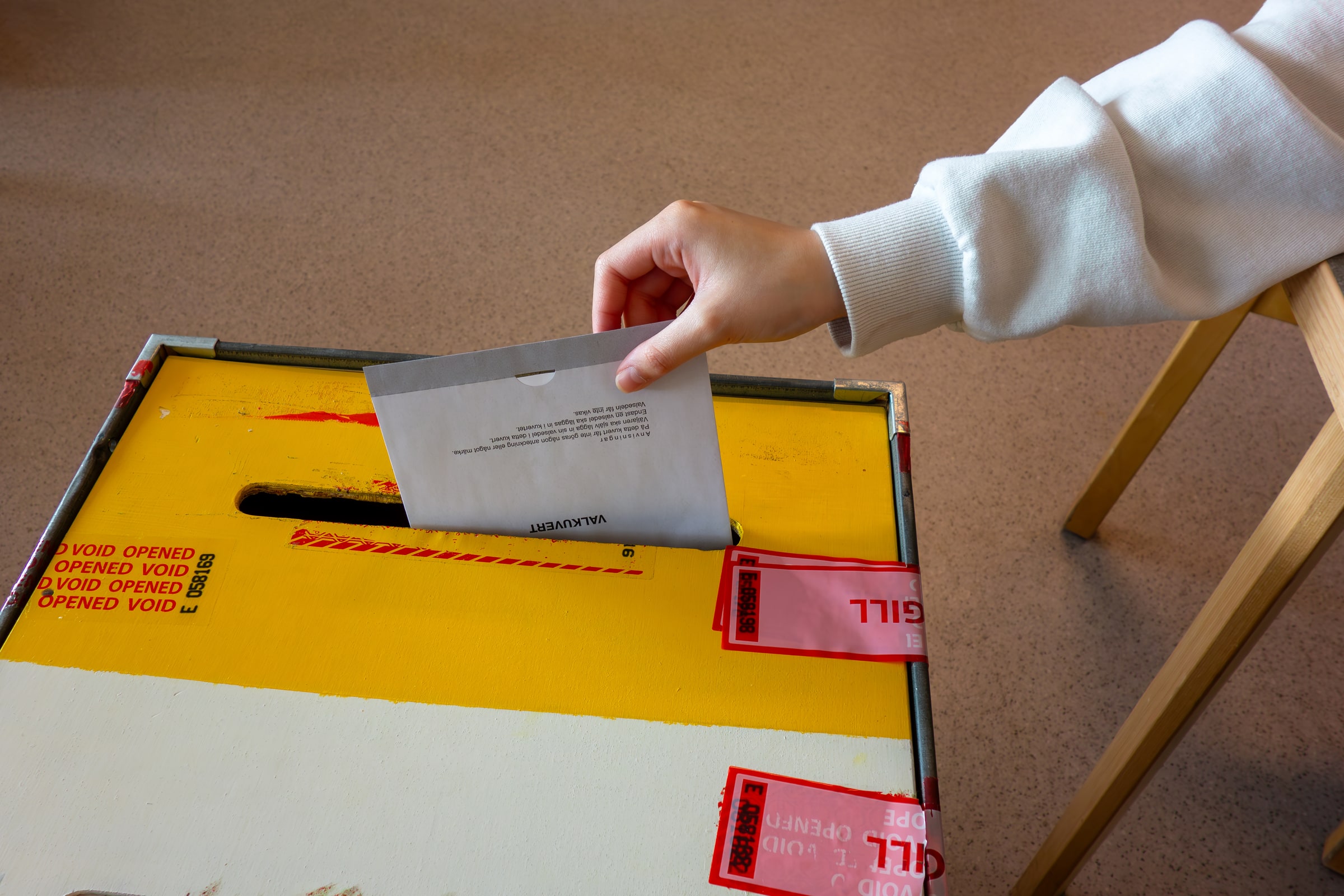
Nine per cent of surveyed residents in Sweden’s police-designated vulnerable areas said they experienced pressure over their vote before the election, compared with four per cent elsewhere, according to a new Järvaveckan and Indikator Opinion report.
Among 18–29-year-olds, however, the figures were similar: nine per cent in vulnerable areas and ten per cent in the rest of Sweden. The overall gap therefore does not describe every age group.
The report, published on Thursday, defined pressure as attempts to influence someone’s party choice that left them feeling they could not choose entirely freely. Ordinary political arguments and recommendations were excluded.
A separate question asked about the atmosphere in respondents’ neighbourhoods. Twenty-six per cent in vulnerable areas thought voting differently from friends or family was not accepted, against 15 per cent elsewhere. That measures perceptions of the neighbourhood, not whether respondents’ own families accepted their choices.
The findings describe reported experiences and perceptions. They do not establish what caused the differences or prove electoral fraud.
The survey ran from 25 September to 8 October, with 1,643 respondents in vulnerable areas and 1,871 elsewhere. Recruitment differed between the groups, as did participation: 15 per cent for Kivra invitations in vulnerable areas, against 49 per cent in the comparison sample, mainly drawn from Indikator’s panel. Those differences are a limitation when interpreting the comparison.

DailySweden
DailySweden's desk of editors, reporters, researchers and investigative journalists. We bring readers factual, truthful and objective reporting on the issues that matter to them.
Contact the editorial desk ›