The three checks before applying for Swedish truck job
Truck driving appears among Sweden's common job listings, but foreign applicants face separate tests for licence validity, EEA citizenship and professional competence.
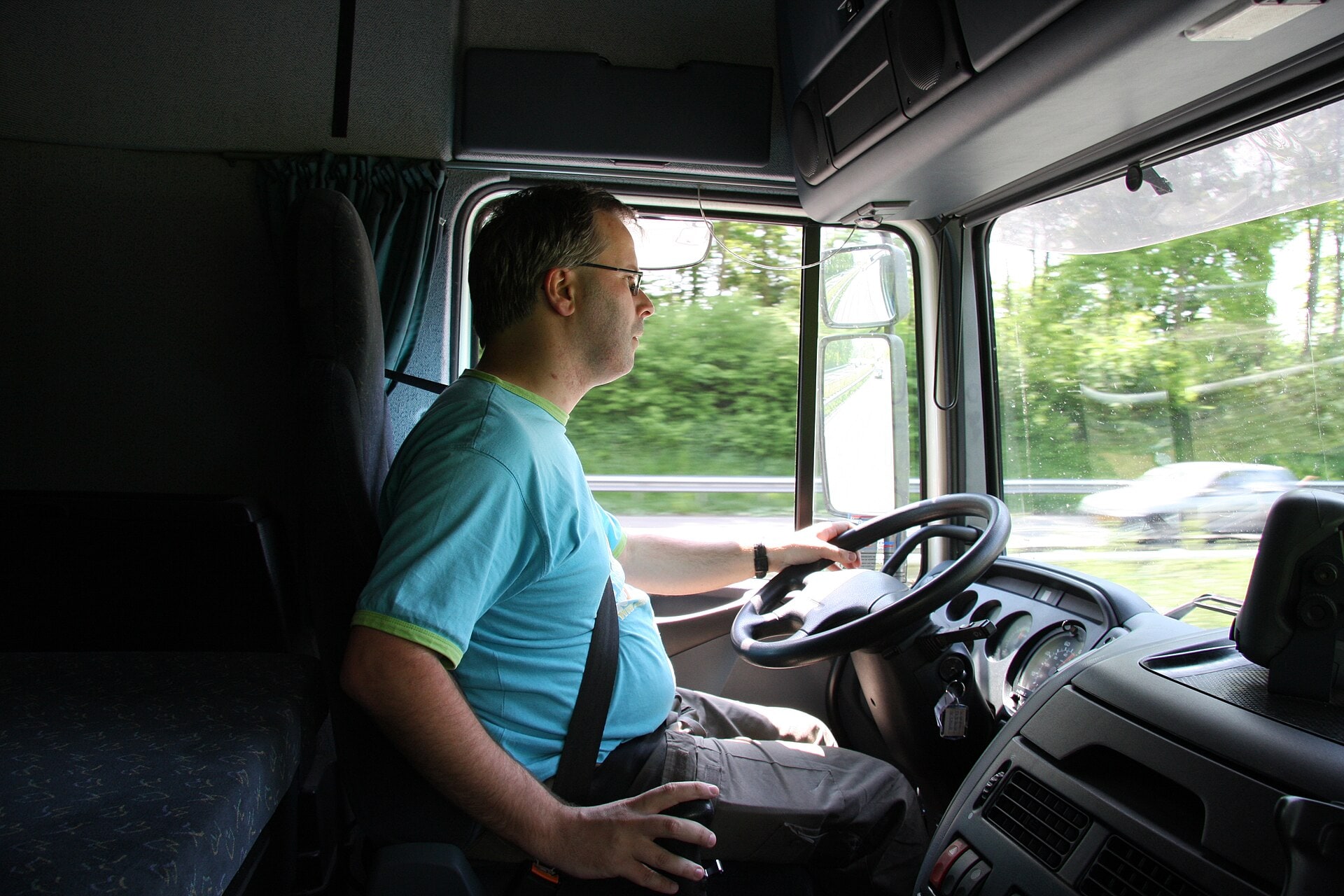
Swedish haulage can look like a direct opportunity for someone who already drives heavy vehicles abroad. Employers advertise the work, the experience transfers and the occupation has a clear pay benchmark. Yet the document that proves you can drive at home may not be the document that lets you take a paid route in Sweden.
The opportunity itself is real. Arbetsförmedlingen's report for the first quarter of 2026 says demand for truck drivers was among the most common listings on Platsbanken. Its current occupation page gives a 2025 weighted average salary of SEK 34,600 a month. Neither fact, however, overrides transport law.
Those figures describe the occupation, not a guaranteed offer. Vacancies can also specify route experience, language, dangerous-goods training or local knowledge. Those employer choices come after, and cannot cure, a missing legal entitlement.
The first check is the vehicle category. A heavy truck requires C1 or C entitlement, while a heavier trailer brings C1E or CE into play. Paid heavy-goods driving also normally requires a professional competence certificate, often called YKB, in addition to the driving licence.
The second check is where the licence sits in Sweden's recognition system. Transportstyrelsen says a valid licence from the European Economic Area remains valid in Sweden even after its holder is registered as living here. A licence from outside the EEA normally stops being valid after one year of Swedish population registration. The United Kingdom and Faroe Islands have an exception to that time rule.
There is a separate commercial restriction that is easy to miss because it turns on the driver's citizenship as well as the licence. A non-EEA citizen relying on any foreign licence cannot drive a Swedish-registered truck commercially in Sweden. Converting the qualification to a Swedish licence changes that position; simply holding a foreign licence that remains valid for private driving does not.
Direct exchange is limited. Transportstyrelsen lists the United Kingdom, Faroe Islands, Japan and Switzerland as the non-EEA issuers whose licences can be exchanged under specified conditions. Other drivers generally need to follow the Swedish route to the required heavy-vehicle entitlement. For C or CE, that means checking the licence permit, medical and test requirements before promising an employer a start date.
The third check is professional competence. Transportstyrelsen's YKB guidance says the basic course is 140 or 280 hours and ends with a written knowledge test. Some drivers with older EEA heavy-vehicle entitlements have acquired rights and can take periodic training instead. A valid YKB must then be renewed through training every five years.
The efficient order is therefore legal before occupational. Write down your citizenship, the country that issued the current licence, whether an earlier non-EEA licence was exchanged, the heavy-vehicle categories shown and the YKB or code 95 expiry date. Ask Transportstyrelsen which recognition route applies, then compare the result with the exact licence categories in the vacancy. That sequence avoids wasted applications and separates a job worth pursuing now from one that first requires a Swedish licence or professional training.

DailySweden
DailySweden's desk of editors, reporters, researchers and investigative journalists. We bring readers factual, truthful and objective reporting on the issues that matter to them.