
Surgery grants put medical priorities at risk in 16 Swedish regions
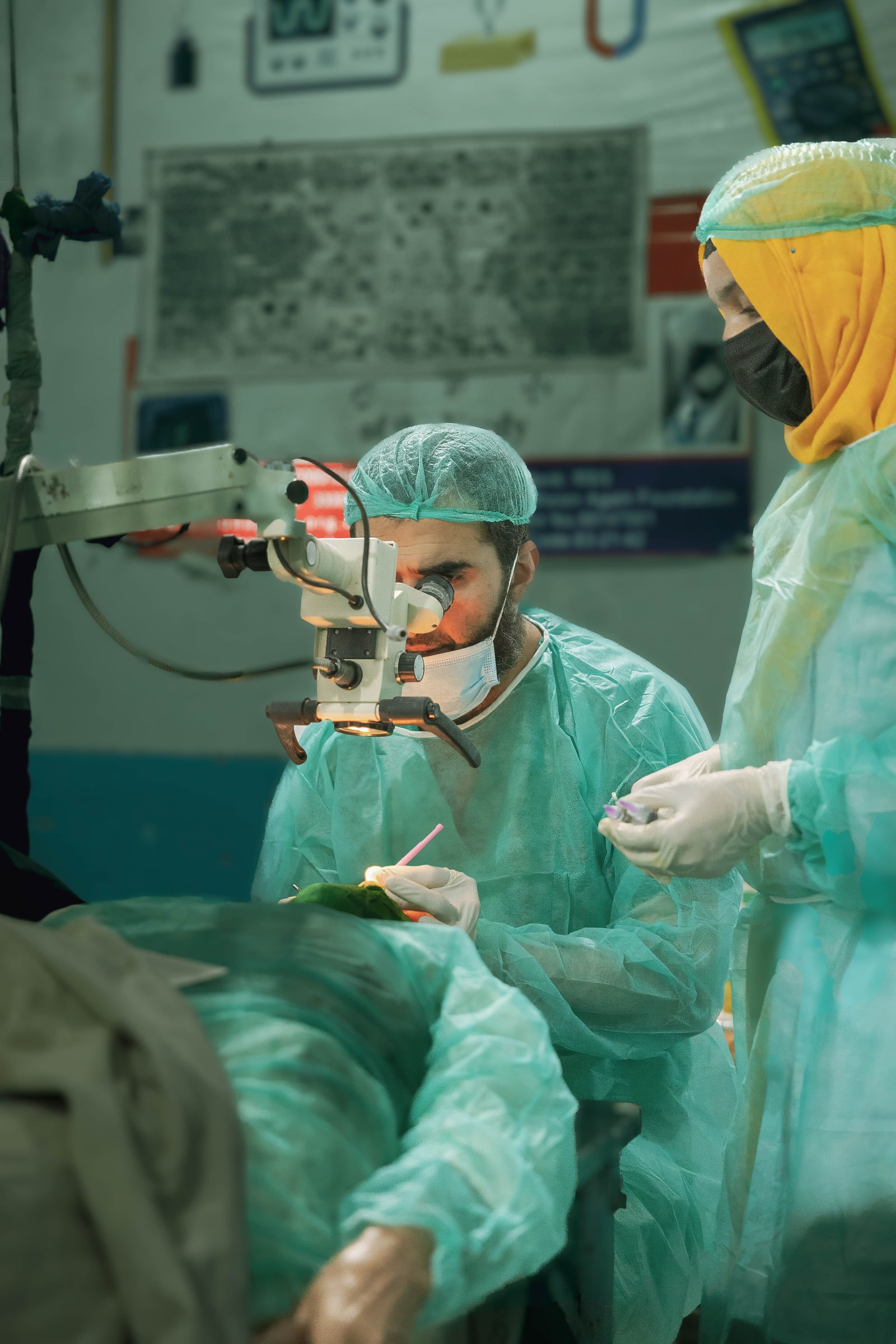
A programme that increased cataract, hip-replacement and prolapse operations also created a risk that people with greater medical needs would wait longer. The tension appeared across most of Sweden's healthcare regions.
SVT's review of reports from all 21 regions found that 16 said the targeted grants had caused, or risked causing, displacement in care. Regions described staff and operating rooms being steered toward funded procedures, sometimes ahead of patients with greater needs.
The 2025 grants paid regions to increase three types of surgery: cataracts, hip replacements and prolapse. Socialstyrelsen's official report says the June to October totals rose by 13, 17 and 12 percent respectively against the average for those months in 2022 to 2024.
The second performance pot contained SEK 507.5 million, but SEK 243 million, or 48 percent, was paid out. Only three regions reached their maximum allocation, which the agency said reflected a tougher performance model.
Healthcare Minister Elisabet Lann told SVT that the procedures were chosen because spare capacity existed. She called departures from needs-based medical priority serious, while arguing that the grants were a small part of wider healthcare funding.

DailySweden
DailySweden's desk of editors, reporters, researchers and investigative journalists. We bring readers factual, truthful and objective reporting on the issues that matter to them.
Contact the editorial desk ›