FRIDAY 14 AUGUST· STOCKHOLM · THE DAY IN 5 STORIES

Sweden’s economy has grown but its social insurance spending has fallen from 8.1 to 3.9 percent of GDP

Försäkringskassan’s payments took 3.9 percent of GDP in 2025, down from 8.1 percent in 1980, as the government moves to restrict newcomers’ access to benefits.
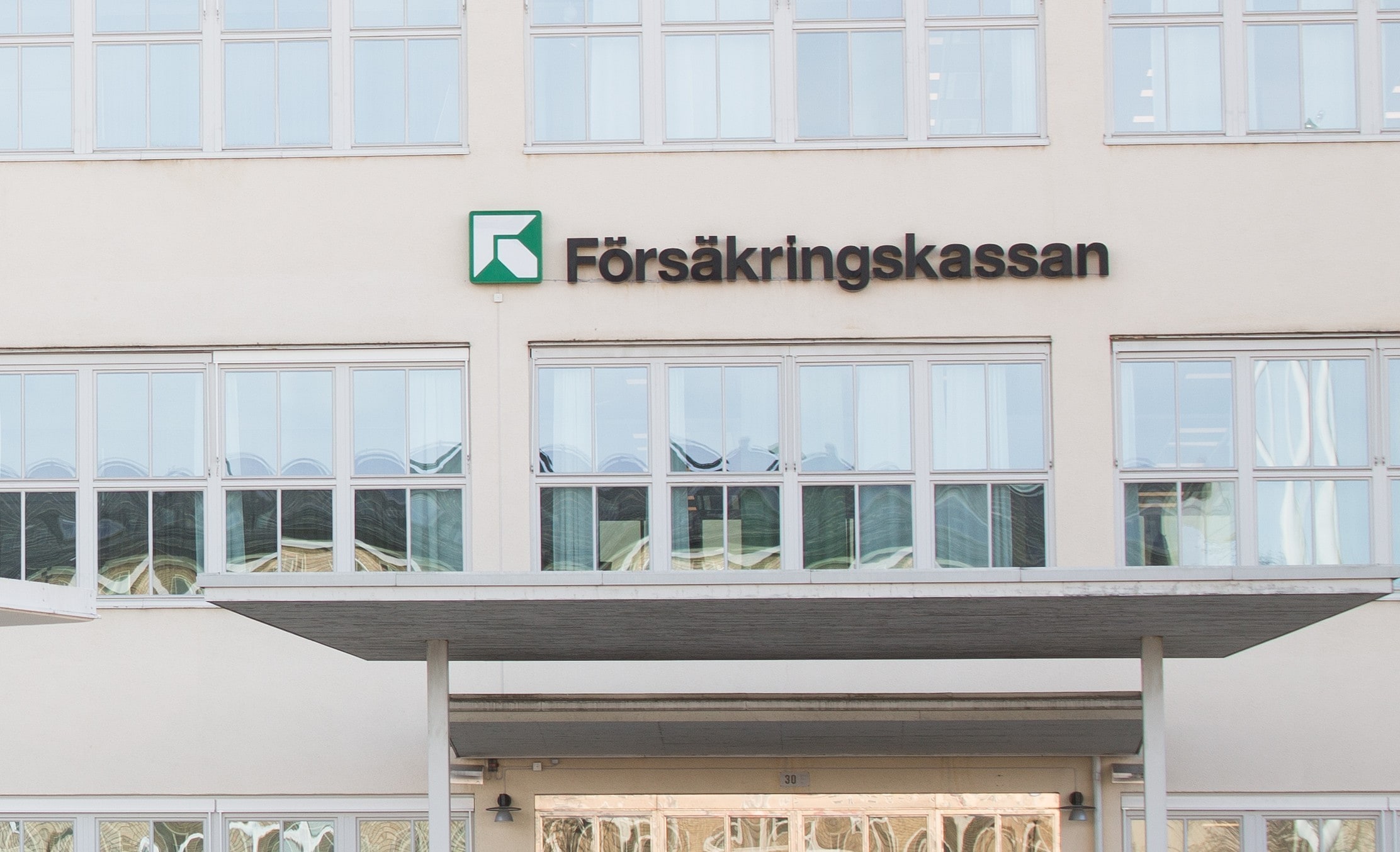
The Försäkringskassan name and green logo on the agency’s head-office façade in Stockholm.
The Försäkringskassan name and green logo on the agency’s head-office façade in Stockholm.. Image: Elenaconhache / Wikimedia Commons / CC BY-SA 4.0 (cropped)

Sweden has grown richer, but it now devotes a smaller share of its economy to the social safety net. Social insurance spending has fallen from 8.1 percent of GDP in 1980 to 3.9 percent in 2025, while the government moves to restrict newcomers’ access to benefits and keeps blaming foreign-born residents for the weakening of Sweden’s welfare system.

Listen to this articleNarrated - 9:12

Försäkringskassan paid out 255.5 billion SEK in 2025, according to its annual statistical report. The total was almost unchanged from 2024. The share fell because Sweden’s economy grew while payments did not.

The government’s benefit reform says foreign-born residents are overrepresented among benefit recipients and presents tighter qualification rules as a way to strengthen the welfare system. Its 2026 proposal would require five years’ residence or sufficient work income before access to some residence-based benefits.

SGI determines income-based payments for sickness, caring for a sick child or parental leave. Försäkringskassan’s guidance says people without it get no sickness benefit or sick-child payment, although a lower parental payment may remain.

The 45-year fall is not one simple cut. The agency points to lower sickness absence, lower compensation levels and changes that moved some costs to employers and regions. In 2025, fewer births and the end of an extra housing allowance also reduced spending.

Other payments rose. Assistance allowance and sickness and activity compensation increased. Sickness and disability payments made up 54 percent of the total; family and child benefits made up 34 percent.

These figures do not cover Sweden’s entire welfare state. Pensions are excluded because another agency runs them. A broader measure in the same report put all public transfers to Swedish households at 14.1 percent of GDP in 2023, close to the EU average. Even so, the part run by Försäkringskassan has not kept pace with the economy.

DailySweden logo

DailySweden

DailySweden's desk of editors, reporters, researchers and investigative journalists. We bring readers factual, truthful and objective reporting on the issues that matter to them.

Contact the editorial desk ›
All stories