
Sweden's school averages conceal unequal chances
Average results can look solid while background shapes which classrooms have qualified teachers, calm and materials.
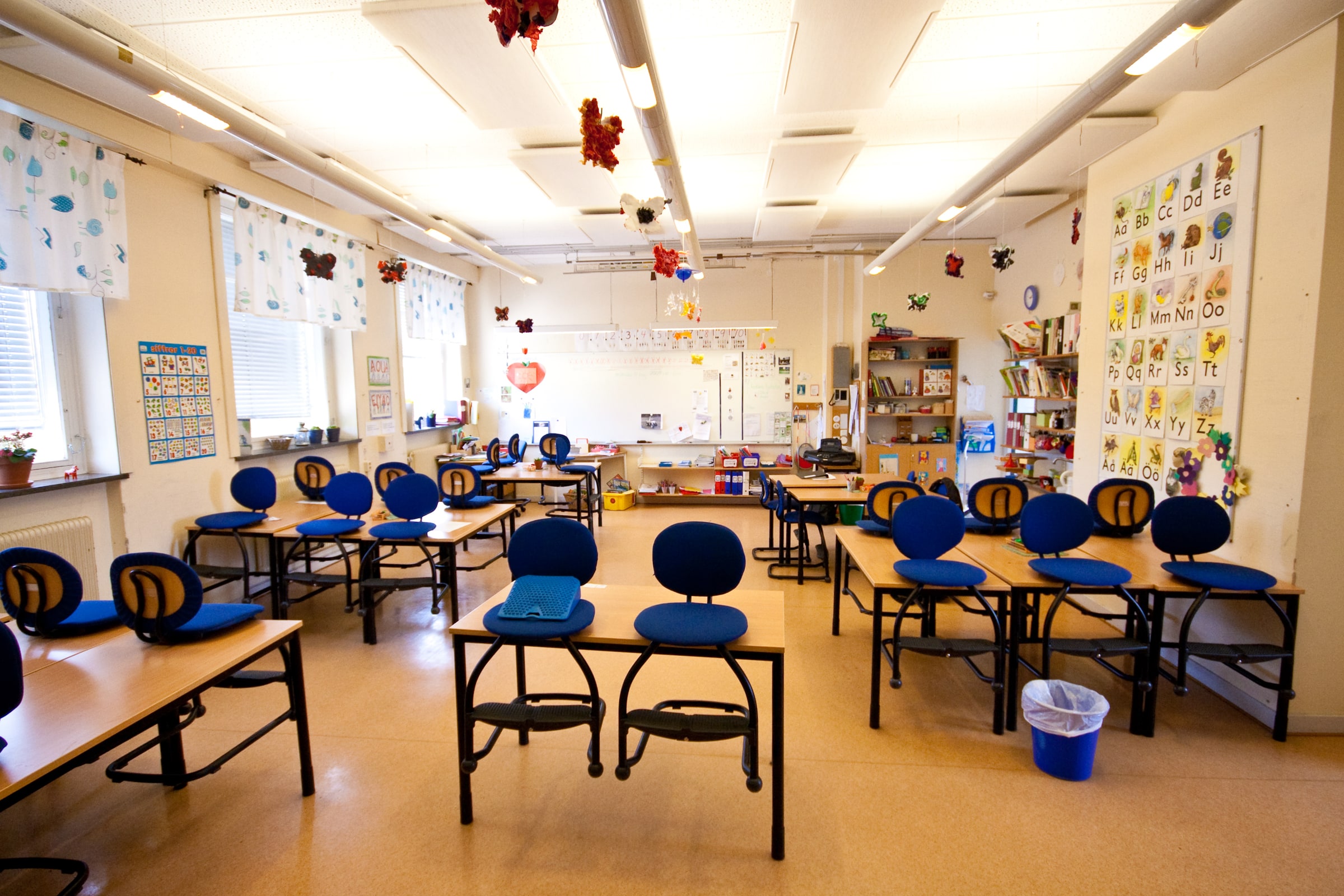
Sweden's school averages look strong. The national school agency still describes the system as split. Pupils perform at or above the OECD average, more complete upper-secondary school and teacher certification has risen, yet not every child receives the same chance to succeed.
The gap between high- and low-performing pupils is growing. Socioeconomic background remains strongly connected to results, especially in mathematics, the compulsory subject that most often blocks eligibility for upper-secondary school.
The difference is not confined to what children bring from home. Schools serving pupils with less favourable socioeconomic conditions often have fewer qualified and experienced teachers. Access to study materials and a calm classroom also varies.
That is why a national average cannot answer the most important question for a family: what conditions does this particular child receive in this particular school? A system can improve overall and become less equal at the same time.
Sweden's decentralised mix of municipalities, independent providers and individual schools makes responsibility easy to scatter. Sweden has nearly 3,000 school organisers, differing in size, geography, finances, operating model and socioeconomic conditions. Skolverket says that fragmentation makes equal conditions harder to secure.
The result is not a simple story of school failure. It is a warning about success distributed by postcode and background. Equal education means more than the same curriculum. It requires comparable access to the people, time and materials that make the curriculum real.

DailySweden
DailySweden's desk of editors, reporters, researchers and investigative journalists. We bring readers factual, truthful and objective reporting on the issues that matter to them.
Contact the editorial desk ›