
School-leavers face a tougher start in Sweden’s jobs market
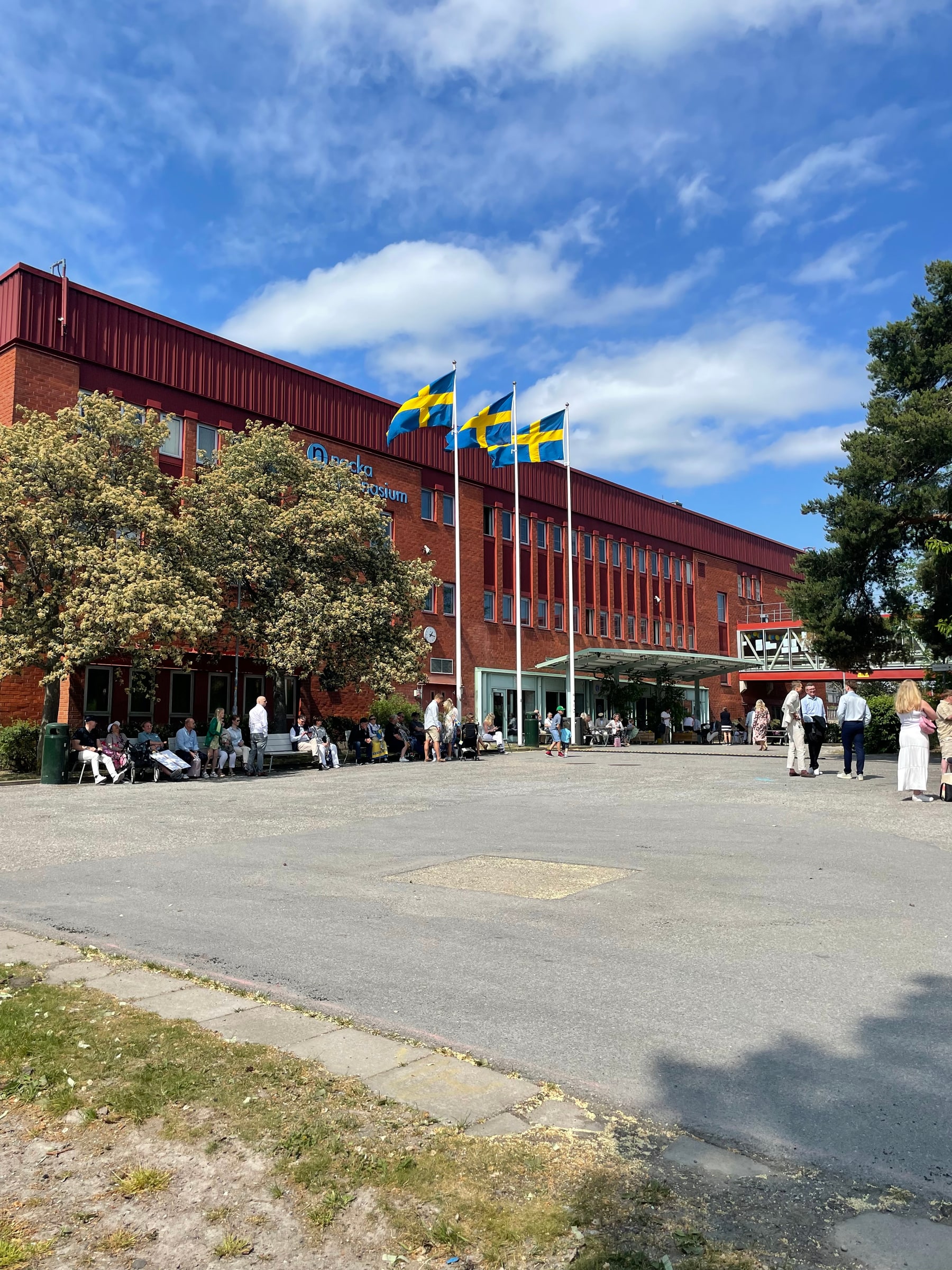
A smaller share of young people secured an established position in work a year after finishing upper-secondary school in Sweden, with the decline spanning every programme in 2024.
Skolverket, the national education agency, published the findings on Thursday. It points to the recession and weaker labour market as a likely explanation for the fall from 2023.
Longer-term outcomes still differ sharply between courses. Three years after vocational graduation, 79 per cent of vehicle and transport graduates were established in work. The figure was 74 per cent for plumbing and property maintenance, and 69 per cent for both construction and industrial technology.
Those are three-year results, not the first-year figures behind the overall decline. Nor does everyone outside the established-work category lack a job: for 2024, it required annual earned income of at least 243,400 kronor and no full-time or part-time unemployment during the year.
Further study also changes the picture. Among graduates of the university-preparatory natural sciences programme, 79 per cent were in higher education three years later.
The agency has changed how it counts military service. Conscripts who do not qualify as established in work or in higher education now fall under other studies. Previously, many were classified as having a weak position in work.

DailySweden
DailySweden's desk of editors, reporters, researchers and investigative journalists. We bring readers factual, truthful and objective reporting on the issues that matter to them.
Contact the editorial desk ›