THURSDAY 3 SEPTEMBER· STOCKHOLM · THE DAY IN 5 STORIES

Sweden recognises foreign degrees, then wastes the people behind them

Official recognition improves a graduate’s chances, yet most people in UHR’s long-term study still lacked work matching their education eight years later.
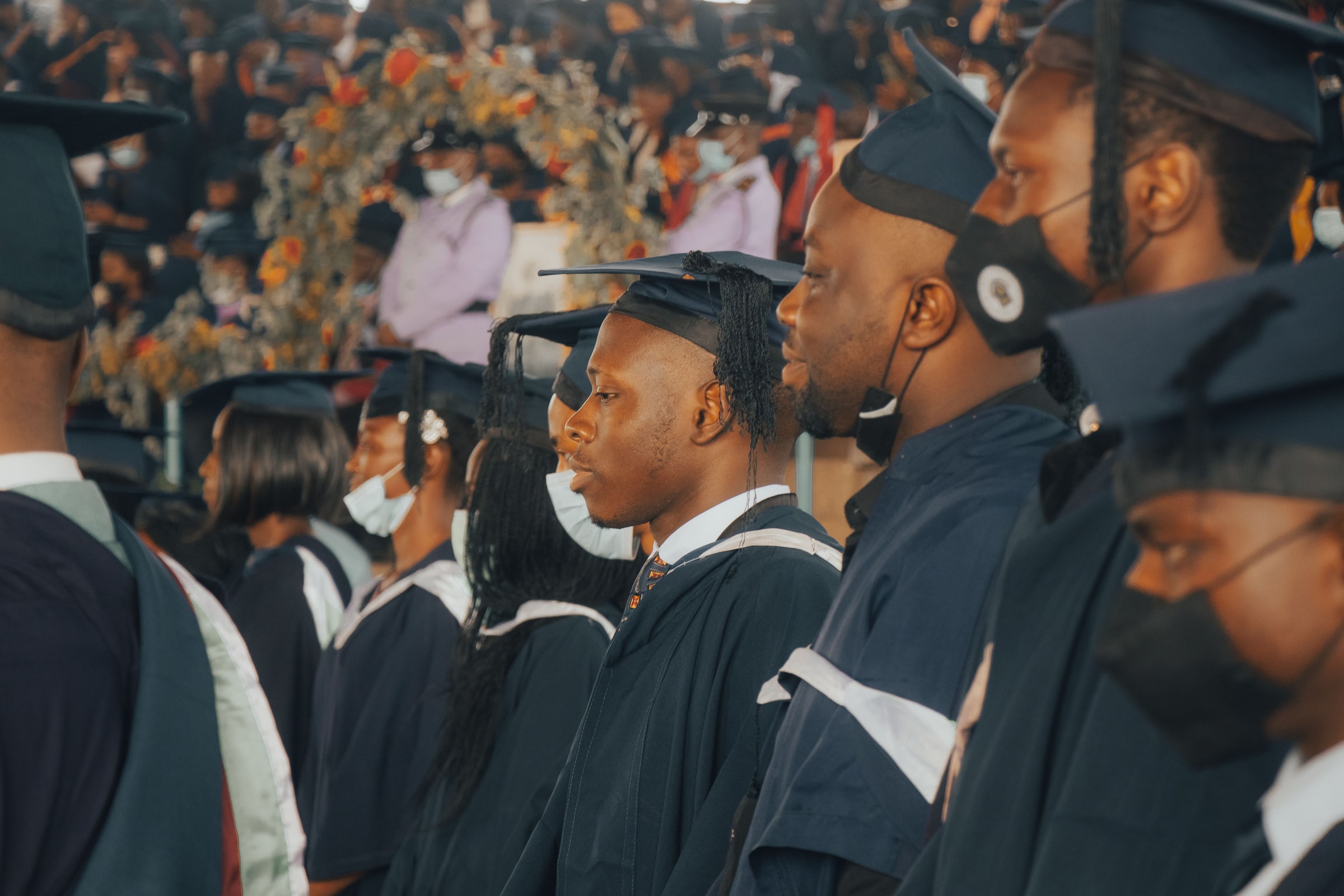
Graduates in black academic gowns and caps gather at a crowded ceremony in Nigeria.
Graduates gather at a university ceremony in Nigeria. Image: Adedire Abiodun / Pexels

Eight years after receiving a Swedish recognition statement, only 44 percent of women and 35 percent of men in UHR’s long-term study had work matching their education level. Recognition helped, but most still did not reach education-matched work.

Listen to this articleNarrated - 9:12

The Swedish Council for Higher Education, UHR, recognised 16,599 foreign qualifications in 2025. Its annual figures included 4,367 in science, technology, engineering and mathematics, 1,184 in healthcare and 1,152 teacher qualifications, fields where Sweden says it needs skills.

Recognition helps, but the outcome exposes its limits. UHR’s long-term study followed more than 11,000 immigrants with foreign higher education. Eight years after receiving a statement, 44 percent of women and 35 percent of men had work matching their education level. The comparison groups without a statement reached 28 and 25 percent.

The document therefore improves a graduate’s odds while leaving most recognised expertise unused at the measured level. It translates a qualification into Swedish terms; the employer still decides whether that education counts in recruitment, pay and promotion.

The study mainly covers people assessed between 2008 and 2011, and it measures education level rather than an exact professional match. It cannot describe the 2025 cohort. That makes newer outcome data more urgent: Sweden can count recognition papers precisely, but cannot claim to be using foreign expertise until it also measures who reaches qualified work.

DailySweden logo

DailySweden

DailySweden's desk of editors, reporters, researchers and investigative journalists. We bring readers factual, truthful and objective reporting on the issues that matter to them.

Contact the editorial desk ›
All stories