
Sweden can now scan faces in real time. The exception is the policy.
EU rules call the technology generally prohibited. Sweden has opened a conditional route for police and security services to use it.
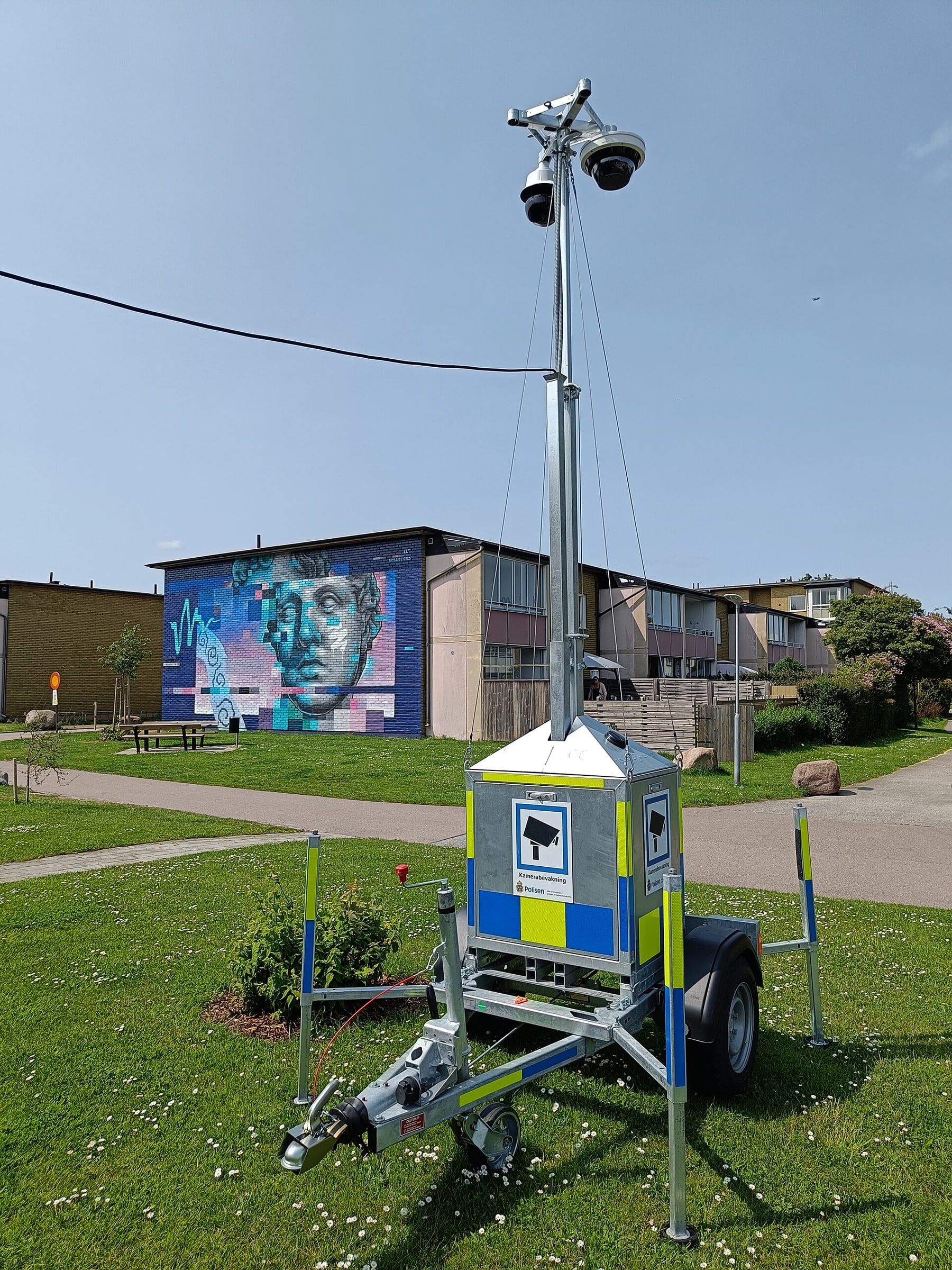
Police may be looking for one person, but the camera can see every passer-by. Sweden has opened a legal route for police and the Security Service to use real-time facial recognition in public spaces.
Since 1 July 2026, the Swedish Authority for Privacy Protection, IMY, has been responsible for overseeing police and Security Service use of artificial intelligence for live biometric identification. It receives notifications, checks compliance with authorising decisions and reports annually to the European Commission.
The EU AI Act treats law-enforcement use of real-time remote biometric identification in public spaces as generally prohibited. It permits limited exceptions. Sweden has chosen to allow the technology under conditions described by IMY.
Police or the Security Service may use it only when it is absolutely necessary to locate or identify a particular person and when the reasons outweigh the intrusion. A prosecutor authorises preventive use; a court authorises use for investigating or prosecuting crime.
Those safeguards matter, but so does the structure they create. The question is no longer whether Swedish authorities may scan faces in real time. It is how often an exception is requested, authorised and judged proportionate, and whether oversight can make that visible to the public.
A power introduced for a named person can still affect everyone whose face enters the camera's field. That is why annual reporting cannot be treated as paperwork. It is the democratic record of whether an exceptional tool remains exceptional.

DailySweden
DailySweden's desk of editors, reporters, researchers and investigative journalists. We bring readers factual, truthful and objective reporting on the issues that matter to them.
Contact the editorial desk ›