Sweden promises equal policing while drug stops produce ethnic disparities
Brå found systematic differences in police encounters and more unconfirmed drug suspicions for some backgrounds.
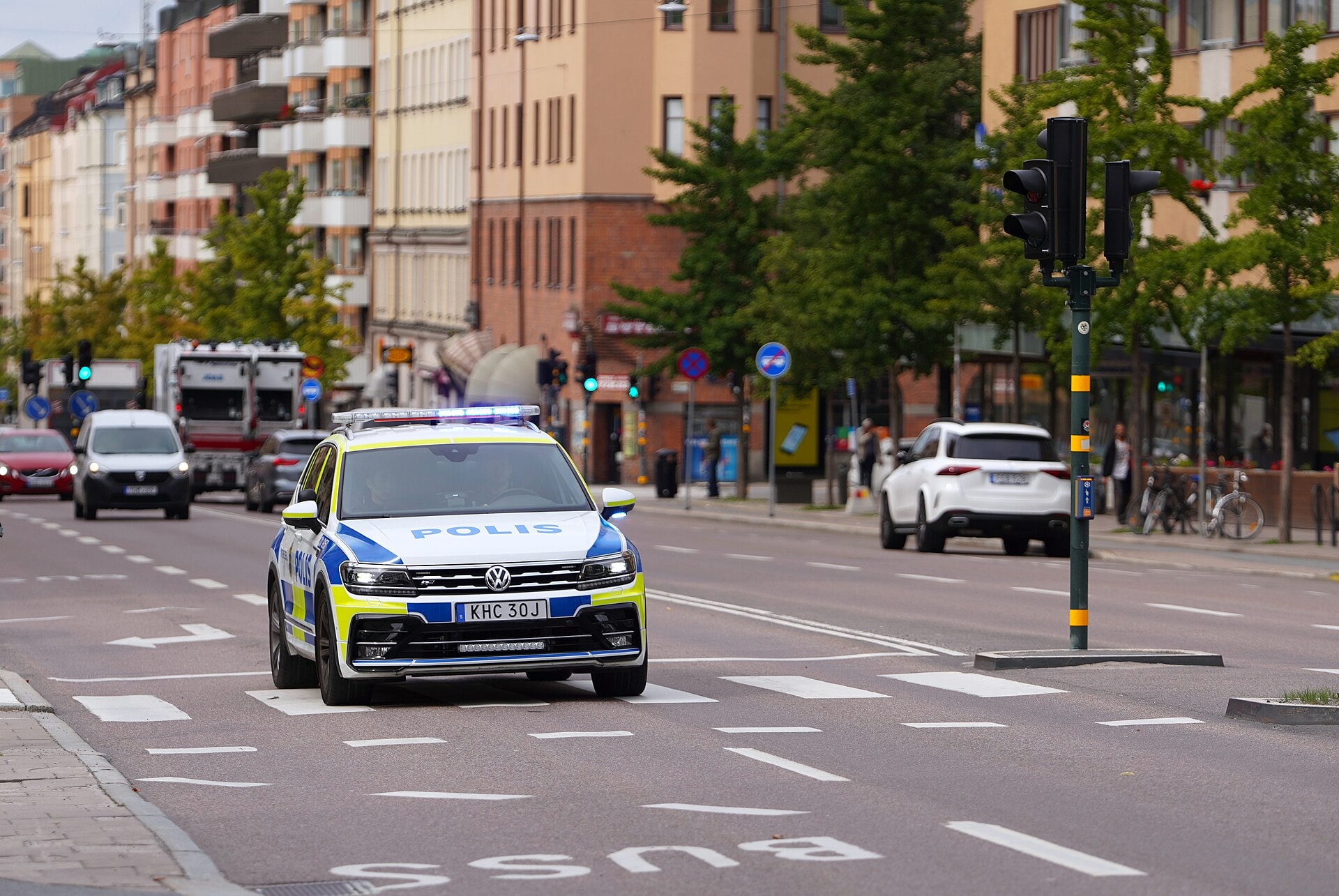
Sweden says public institutions must prevent discriminatory structures, yet police drug work produces measurable differences for people with African and Southwest Asian backgrounds. Those gaps carry costs even when an encounter produces no charge, including lost time and damaged trust.
Listen to this articleNarrated - 9:12
The national action plan commits public authorities to preventing racism and discriminatory structures. Equal treatment is therefore an operational duty, not merely a statement of values.
Brå's profiling summary reports systematic differences in police encounters. It also describes a higher share of drug suspicions that were not confirmed among people with African or Southwest Asian backgrounds.
An unconfirmed suspicion does not prove that an officer acted with discriminatory intent. Background categories are imperfect, and observational differences can reflect deployment patterns, neighbourhoods or other factors as well as unequal treatment.
But repeated disparities still demand explanation because a stop carries a cost even when it produces no case. It affects time, dignity, trust and the likelihood that residents will seek police help when they are victims.
Police accountability requires outcome data by unit and tactic, independent review of large gaps, and evidence that the chosen method finds offences efficiently. Equal policing cannot be assessed only through written rules while the distribution of unsuccessful interventions goes unexamined.


