
Sweden's PISA results fall to record lows
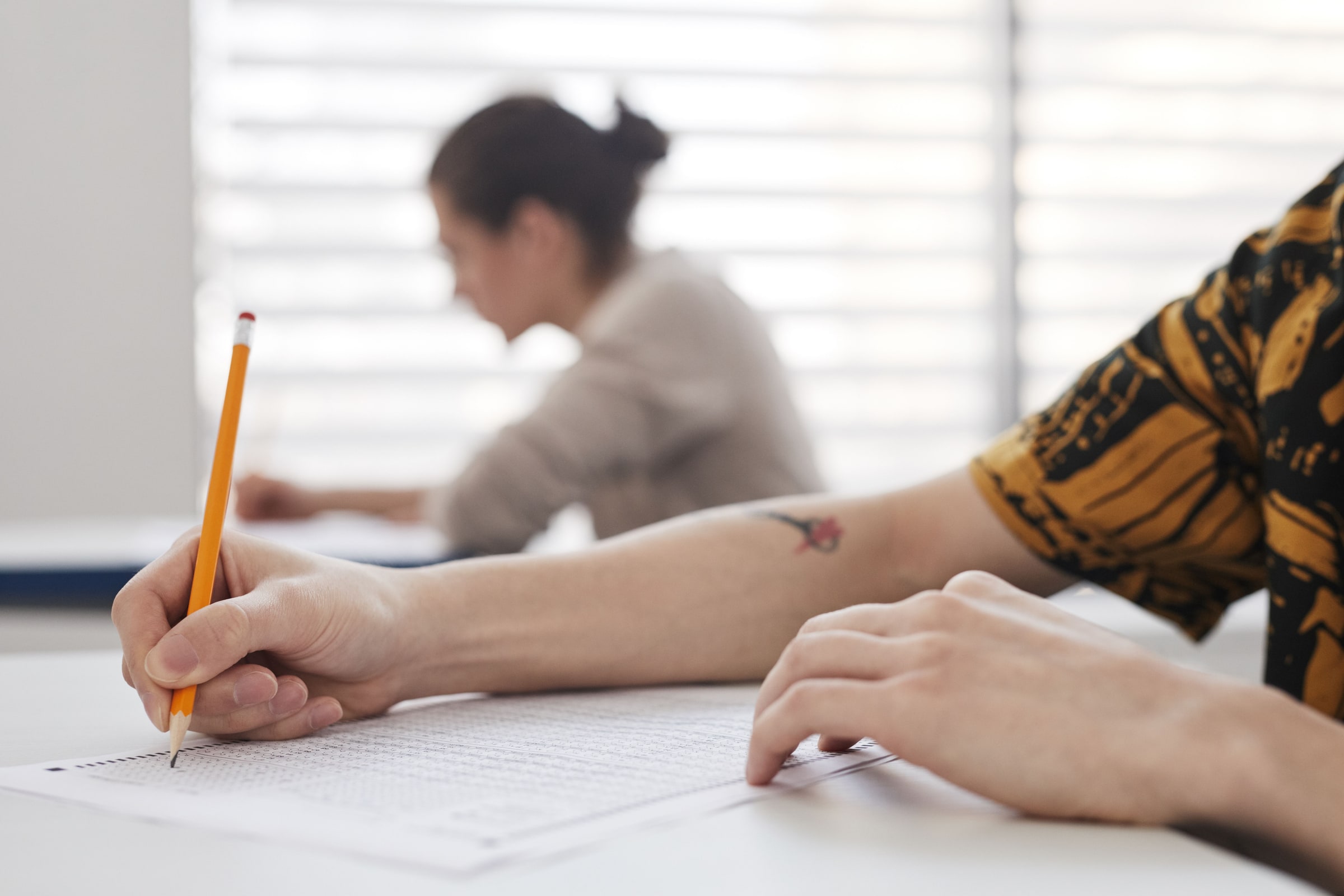
Swedish 15-year-olds have posted some of the country's weakest results since the PISA assessment began, deepening concern about reading and mathematics days before the national election.
The OECD country note says average performance fell from 2022 in mathematics and reading, while science was broadly unchanged. Results in all three subjects were among Sweden's lowest in the study and significantly below 2018.
The share of low-performing students has also risen sharply over a decade. Compared with 2015, the proportion below the baseline proficiency level increased by 13 percentage points in mathematics, 13 points in reading and four points in science.
Sweden still scored close to the OECD average in all three subjects. The latest reading gap widened between the highest- and lowest-scoring groups, while the comparable gaps in mathematics and science did not change significantly.
Political explanations remain contested. The public debate has ranged from school funding and ownership to screen use and migration, but PISA measures performance rather than proving any one cause. The OECD says Sweden's 7.4% exclusion rate exceeded its preferred limit, though it judged the data fit for reporting.

DailySweden
DailySweden's desk of editors, reporters, researchers and investigative journalists. We bring readers factual, truthful and objective reporting on the issues that matter to them.
Contact the editorial desk ›