
Sweden needs nurses. Qualified nurses are still waiting to work.
Sweden needs nurses, but those trained outside the EU or EEA can spend two to four years qualifying for a licence while working below their skill level.
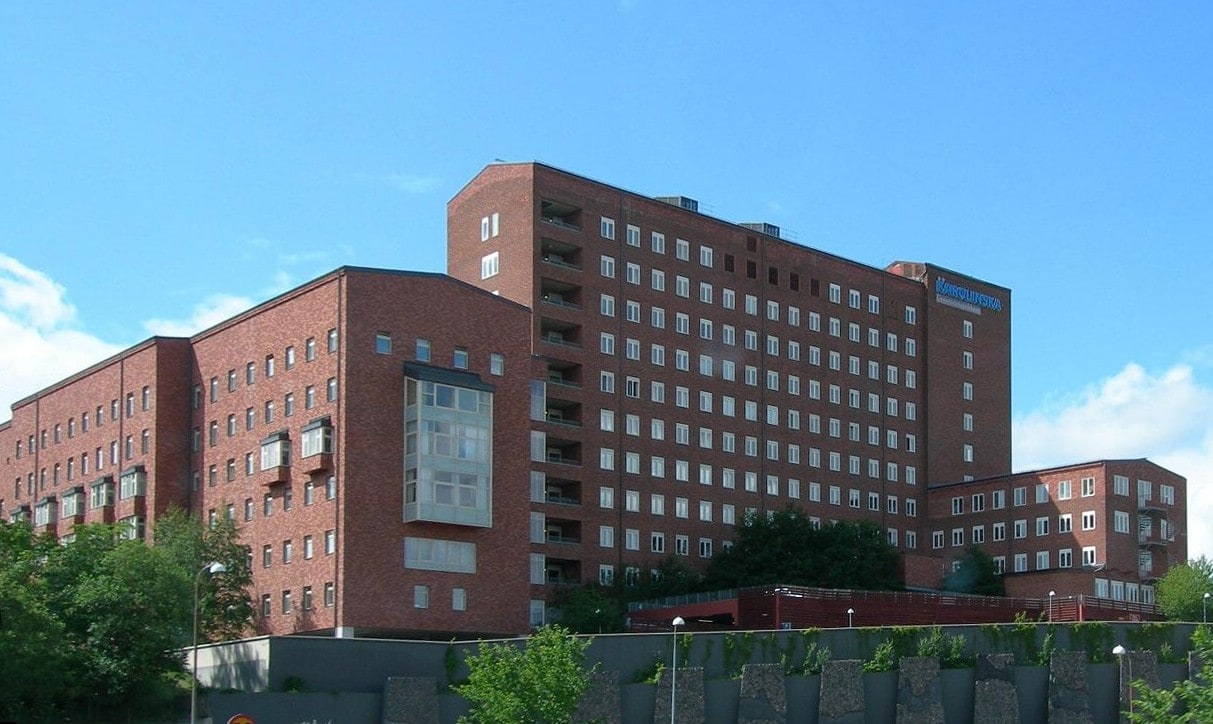
A nurse educated outside the EU or EEA usually needs two to four years to qualify for a Swedish licence. During that wait, the same person may work in healthcare below the level of their training.
Arbetsförmedlingen says nurses have job prospects across the country and demand is expected to grow over the next five years. The National Board of Health and Welfare requires five licensing steps.
The authority says its route usually takes two to four years. Applicants must have their education assessed, pass a proficiency test, complete a course in Swedish laws and regulations, undertake clinical training and then apply for the licence. They must also show Swedish at C1 level or an accepted equivalent.
A second route is a bridging programme at a Swedish university. The authority says that takes one to three years, but places are limited. The wait can depend on language learning, test dates, course places and access to clinical training.
A nurse qualified abroad is not automatically licensed to practise in Sweden. The process exists to protect patients and verify that education, professional knowledge and Swedish rules meet the standard required here.
The contradiction is that, while verification continues, the same person may work in a healthcare role that does not require a licence. A hospital or care provider can therefore need nurses while employing an internationally trained nurse below the level of their existing qualification.
Applicants need information about which route fits, the language proof required and the documents each stage needs. Sweden also needs public figures for applications, assessment times, test results, course places, clinical placements and licences granted.
A shortage cannot be solved by pretending standards do not matter. It also cannot be understood unless Sweden publishes how many qualified people are waiting, for how long, and at which stage.

DailySweden
DailySweden's desk of editors, reporters, researchers and investigative journalists. We bring readers factual, truthful and objective reporting on the issues that matter to them.
Contact the editorial desk ›