
National Library to make Swedish-Jewish heritage easier to search
A new government assignment funds work to identify and make relevant collection material searchable for researchers and other users.
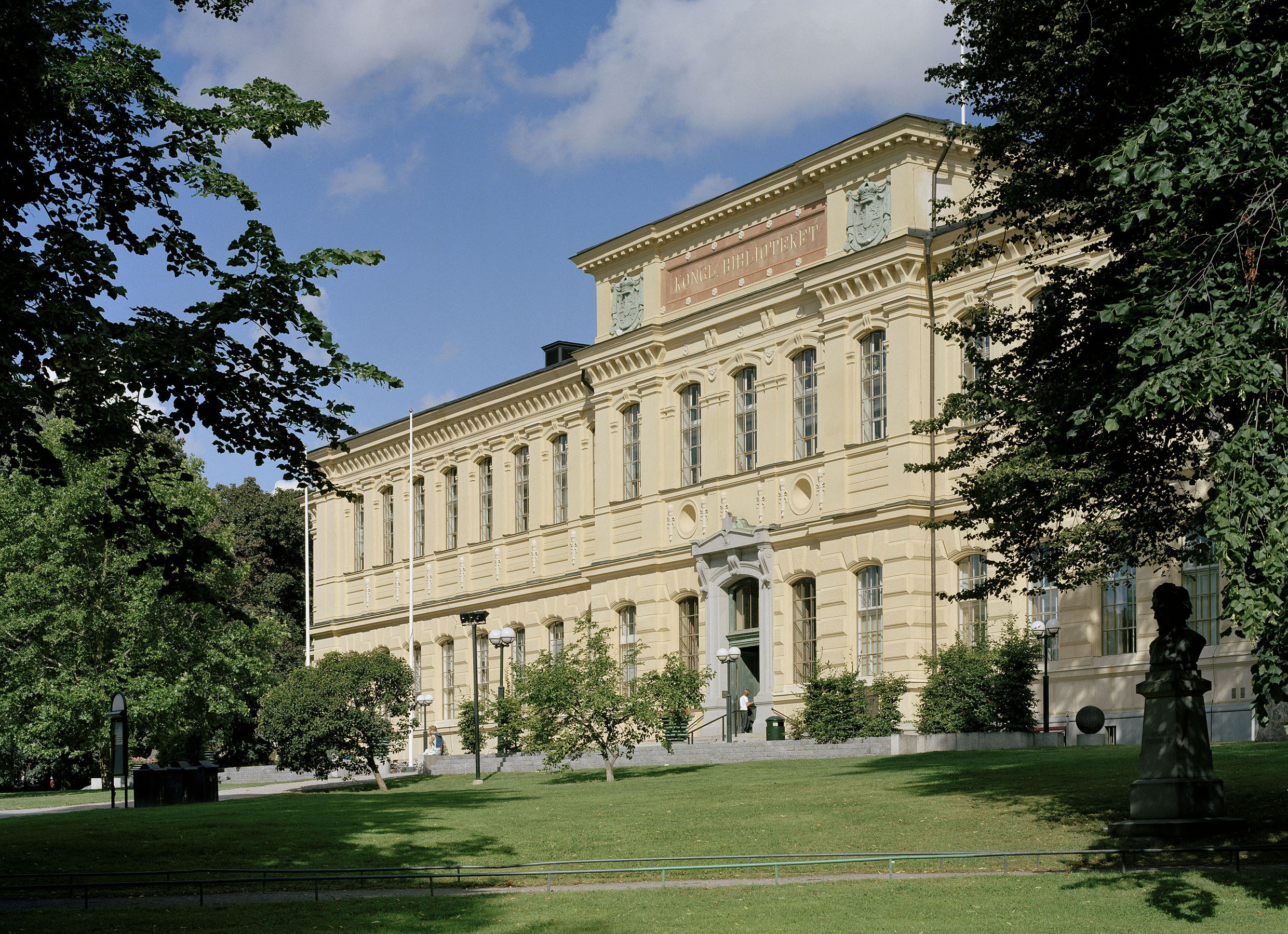
Sweden's National Library has been given a new assignment to make material in its collections connected to Swedish-Jewish cultural heritage searchable for researchers and other audiences. The government announced the task on 9 July and allocated SEK 600,000 for the work in 2026.
The wording is important: the assignment concerns material that can be described as Swedish-Jewish heritage and making it accessible through search. It does not say that every relevant object has already been identified or digitised. The practical work may therefore include locating material across collections, improving descriptions and creating better routes for users to discover it.
The government says the purpose is to increase knowledge of Swedish-Jewish cultural heritage. It places the assignment within its wider strategy to strengthen Jewish life and combat antisemitism, specifically the areas covering heritage and culture as well as knowledge, education and research about Jewish life in Sweden.
Funding beyond the first year is planned but not yet described as a final multi-year appropriation. The government says it expects to allocate another SEK 600,000 per year in 2027 and 2028. That would bring the indicated three-year funding to SEK 1.8 million if the later allocations are made as anticipated.
For researchers, improved searchability can change what is possible before any new interpretation is written. Collection material that is hard to locate can remain effectively absent from research even when it has been preserved. Better metadata and clearer access points can help scholars connect publications, documents, recordings and other holdings, while also making the material easier to find for schools, cultural organisations and members of the public.
The announcement does not set out a public completion date or promise that all relevant holdings will be available online. Its concrete commitments are the assignment, the 2026 funding and the expectation of continued support for two more years. The National Library's eventual catalogue and project updates will show which collections are included and how users can search the resulting material.

DailySweden
DailySweden's desk of editors, reporters, researchers and investigative journalists. We bring readers factual, truthful and objective reporting on the issues that matter to them.
Contact the editorial desk ›