Foreign-born women's jobs in Sweden are concentrated in care, service and sales
The pattern changes sharply by reason for residence. That shows work histories are shaped by routes into Sweden, not one migrant profile.
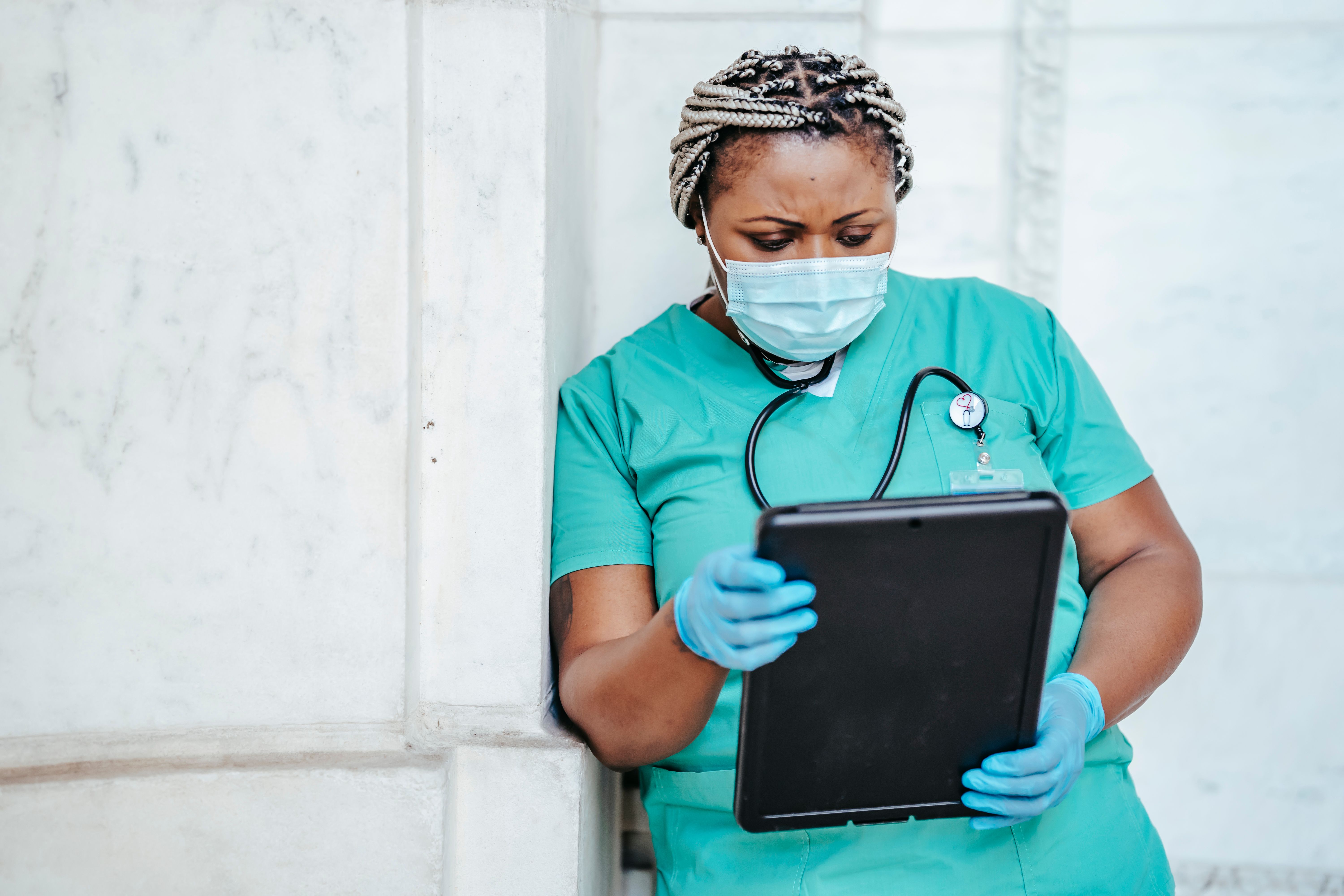
Service, care and sales was the most common occupational field for foreign-born women in Sweden in 2024. For foreign-born men, jobs requiring advanced higher education were most common.
The headline pattern becomes more revealing when Statistics Sweden separates people by their registered reason for residence. Around half of employed women who arrived as refugees or refugee family members worked in service, care and sales. Among women who came for work, the share was 15 percent; 46 percent were in occupations requiring advanced higher education.
These are broad occupational groups, not measures of whether an individual is overqualified. Reason for residence can also be old, and it is unavailable or not applicable for some groups. The statistics still show that “foreign-born workers” are not a single labour-market story.
Entry route, gender and access to education and networks shape where people land. Refugee women are concentrated in jobs that keep Sweden's shops, childcare and care services running, while labour migrants and students are much more concentrated in highly qualified work.
That division has consequences for pay, progression and who is visible as skilled. Integration cannot be judged only by whether someone has a job. A serious measure also asks whether experience can travel, whether training opens a route forward and whether the labour market rewards the competence it already uses.

DailySweden
DailySweden's desk of editors, reporters, researchers and investigative journalists. We bring readers factual, truthful and objective reporting on the issues that matter to them.
Contact the editorial desk ›