
600,000 adults often feel lonely in rich, connected Sweden
Sweden’s loneliness problem is not that everybody lives alone. It is that prosperity, independence and digital connection do not guarantee a person they can truly rely on.
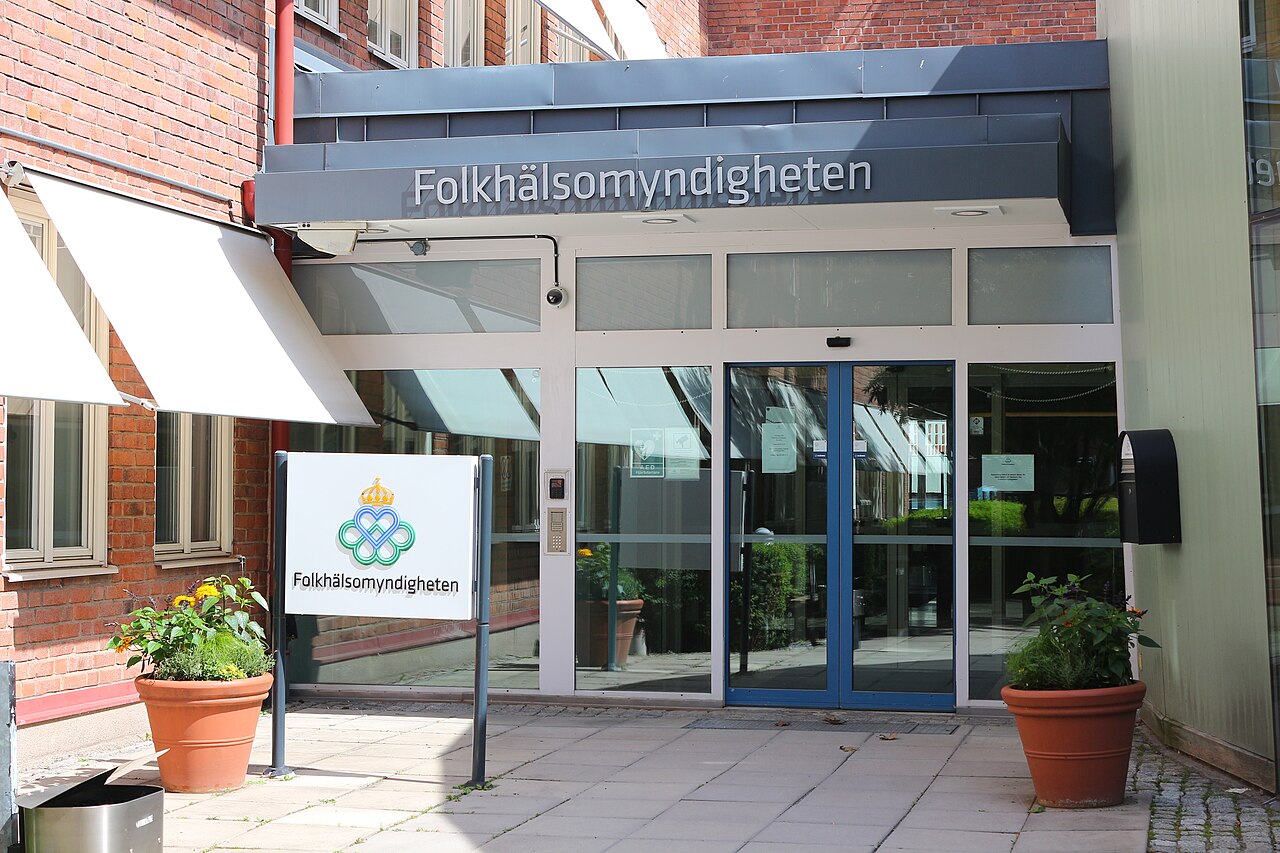
The Public Health Agency estimates that around 600,000 adults often feel lonely. About 1.3 million lack someone with whom they can share their innermost thoughts. Among school-age children, girls report frequent loneliness more often than boys.
Those figures describe different experiences. Living alone can be chosen and satisfying. Social isolation means having too few contacts; emotional loneliness means missing closeness even when other people are present. That distinction matters in a country where 42 percent of households consist of one person without children—but most people in those homes should not automatically be labelled lonely.
Sweden’s national strategy treats loneliness as more than a private failure. Disability, unemployment, poor health, language barriers and the loss of everyday meeting places can all make relationships harder to build or maintain. The groups at greatest risk include young and older people, people outside the labour market, foreign-born residents and LGBTQ+ people.
Independence is not the enemy. The danger comes when self-sufficiency becomes an expectation and asking for company feels like admitting failure. Sweden can be highly connected on paper while leaving too many people without the one connection that counts: somebody who would notice if they disappeared.

DailySweden
DailySweden's desk of editors, reporters, researchers and investigative journalists. We bring readers factual, truthful and objective reporting on the issues that matter to them.
Contact the editorial desk ›