
Swedish regulator proposes tighter limits on electricity-grid income
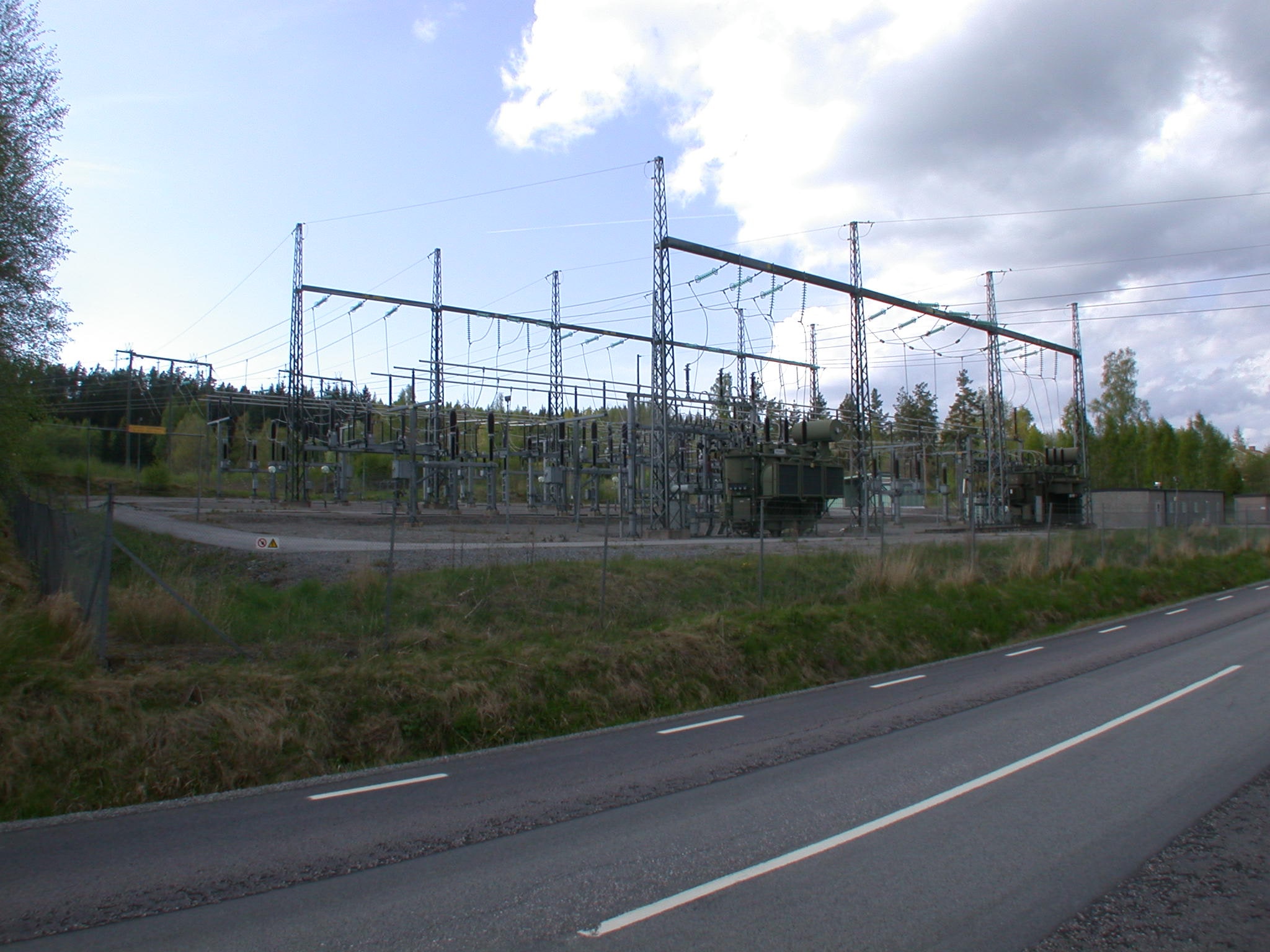
Sweden’s energy regulator has set out a preliminary method that would lower electricity-grid companies’ permitted revenue from 2028 compared with keeping today’s rules. It expects limited early benefits for customers because companies can carry unused revenue allowances forward.
Energimarknadsinspektionen, or Ei, estimates the new method would produce industry-wide revenue limits about 9% below the old-method calculation for 2028–2031. That is not a forecast of a 9% cut in household network bills.
The total limits would remain roughly level with those set for 2024–2027 in 2025 prices, as operating costs and investment rise. Ei regulates the maximum network revenue because electricity grids are natural monopolies.
New assets would be valued at their acquisition cost. Investments paid for through customers’ connection fees would no longer increase the companies’ allowed return. Ei also proposes using eight years of historical market data to calculate that return, replacing elements based on forecasts.
Industry organisation Energiföretagen criticised the plan, arguing that lower returns could hinder investment. Ei says its approach better balances reasonable customer charges with the funding needed to develop networks.
Comments on the preliminary method and related draft regulations are due by 23 November. Ei must decide the individual companies’ revenue limits by 31 October 2027.

DailySweden
DailySweden's desk of editors, reporters, researchers and investigative journalists. We bring readers factual, truthful and objective reporting on the issues that matter to them.