
Sweden funds healthcare, but healthy eating is still a class issue
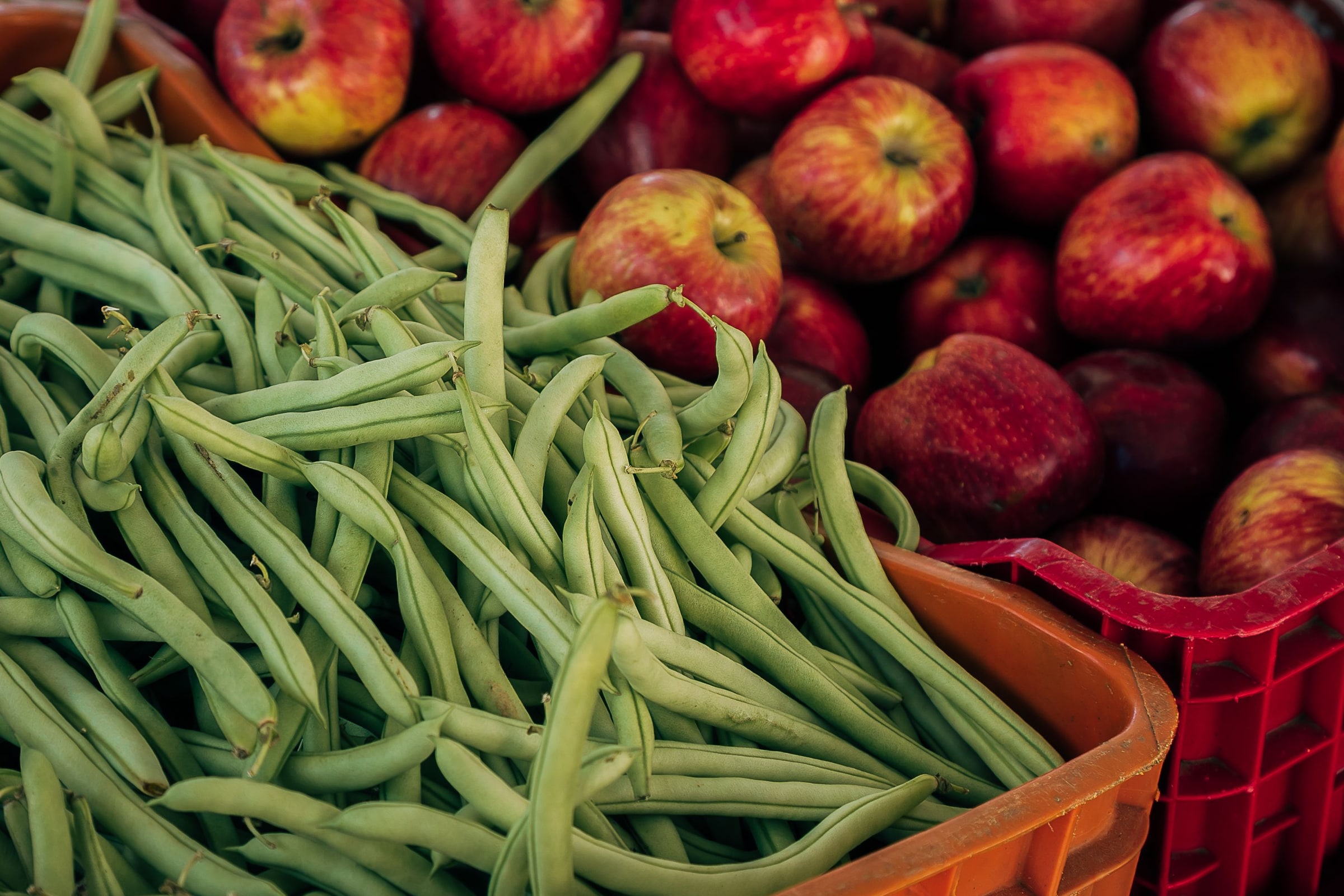
Sweden helps pay for care after you get sick. At the supermarket, the food that may help keep you well still depends heavily on your income. Why does Sweden help with the bill after you get sick, but leave healthy eating to the size of your wallet?
The divide appears in Sweden's own diet data. In 2024, 38 percent of adults with education beyond upper-secondary school ate vegetables and root crops at least twice a day. The share was 24 percent among people with upper-secondary education and 22 percent among those with only compulsory schooling.
Price is not the only reason, but it matters. Food and non-alcoholic drink prices jumped 18.2 percent in 2022 and continued rising after that.
When food VAT fell from 12 to 6 percent, prices dropped by 5.5 percent in April 2026. The cut covered food broadly. It made the whole basket cheaper, but did not make vegetables cheaper than sweets.
The largest chains do not all earn giant margins. The Competition Authority found an average grocery retail operating margin of 2.5 percent in 2022 and 2023. Yet ICA, Axfood, Coop and Lidl control 98.5 percent of store sales, and the authority says stronger competition could lower prices.
Government can shape taxes, competition and where new shops can open. Sweden shares the cost of healthcare. It has not made an equally clear promise that healthy food will be within everyone's reach.

DailySweden
DailySweden's desk of editors, reporters, researchers and investigative journalists. We bring readers factual, truthful and objective reporting on the issues that matter to them.
Contact the editorial desk ›