
Sweden's digital front door still asks for a personnummer.
1177 Direct offers care by chat and video, but its entry rules show how digital convenience can become a gate.
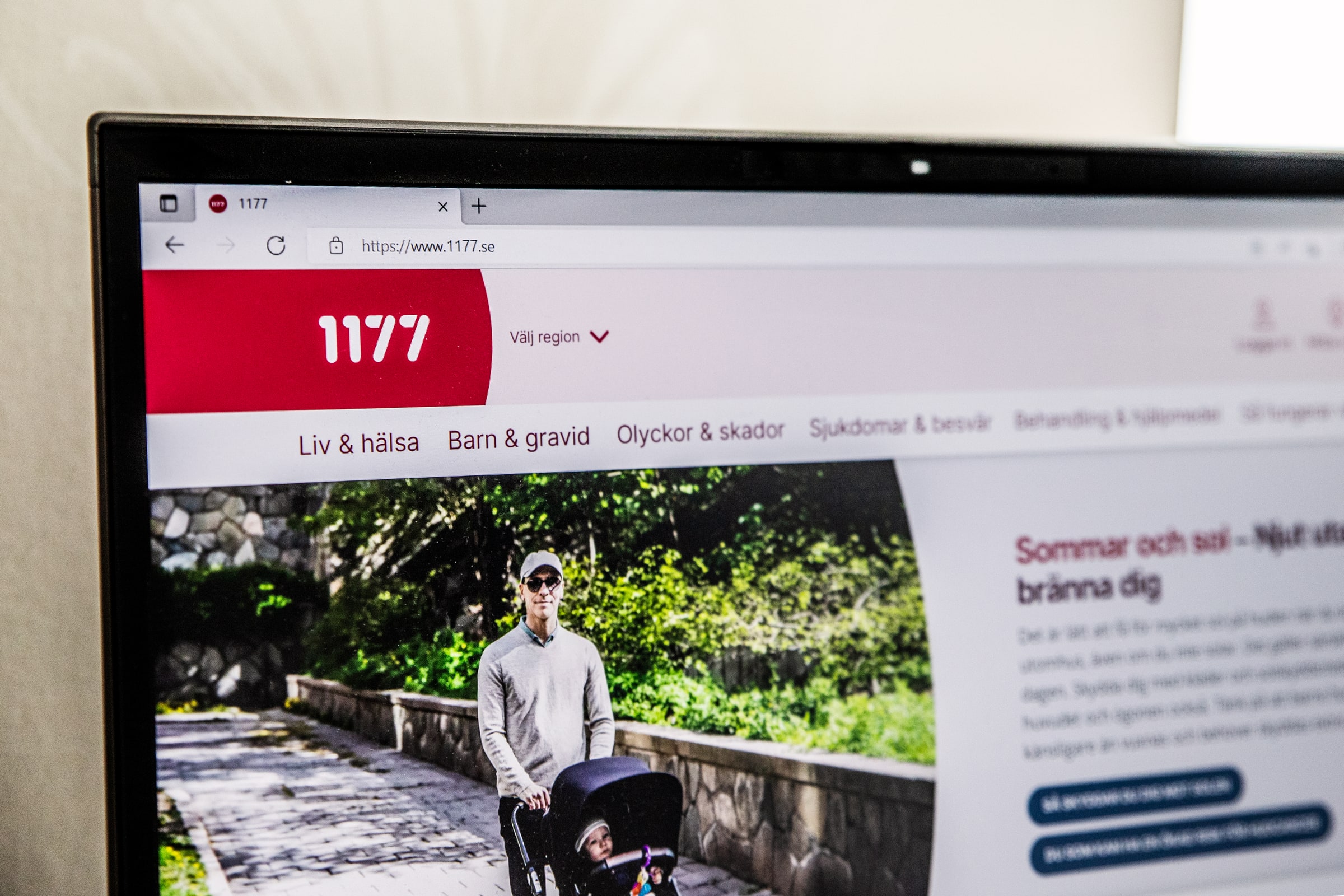
Sweden's digital public services promise convenience. For people without the right number, ID or language, the front door can still stay shut.
To use 1177 Direct for healthcare by chat or video, a person needs a Swedish personal identity number, electronic identification and the ability to read and understand Swedish. The service can be used from abroad, but those entry requirements still apply.
That is a clear illustration of a wider design problem identified by the Post and Telecom Authority. PTS says complex text, confusing interfaces and growing demands for e-identification can make essential services harder to use. Many people end up relying on relatives, librarians or healthcare staff to complete digital tasks.
The problem is not an argument against digital care. Chat and video can remove travel, save time and make contact easier. But a service that becomes simpler for most users can become less reachable for those without the accepted identity tool, language confidence or digital support.
Other routes to care remain available, including calling 1177 and contacting clinics. Yet when the easiest route carries the narrowest gate, access is no longer just a technical question. It becomes a choice about who gets independence and who must ask someone else for help.
A digital front door should not be judged only by how quickly it opens. Sweden also has to count who is left standing outside it.

DailySweden
DailySweden's desk of editors, reporters, researchers and investigative journalists. We bring readers factual, truthful and objective reporting on the issues that matter to them.
Contact the editorial desk ›