
Sweden's associations are strong enough to survive and exposed enough to fear.
Most expect to continue. Almost one in four faced violence, damage, theft, threats or harassment linked to their work.
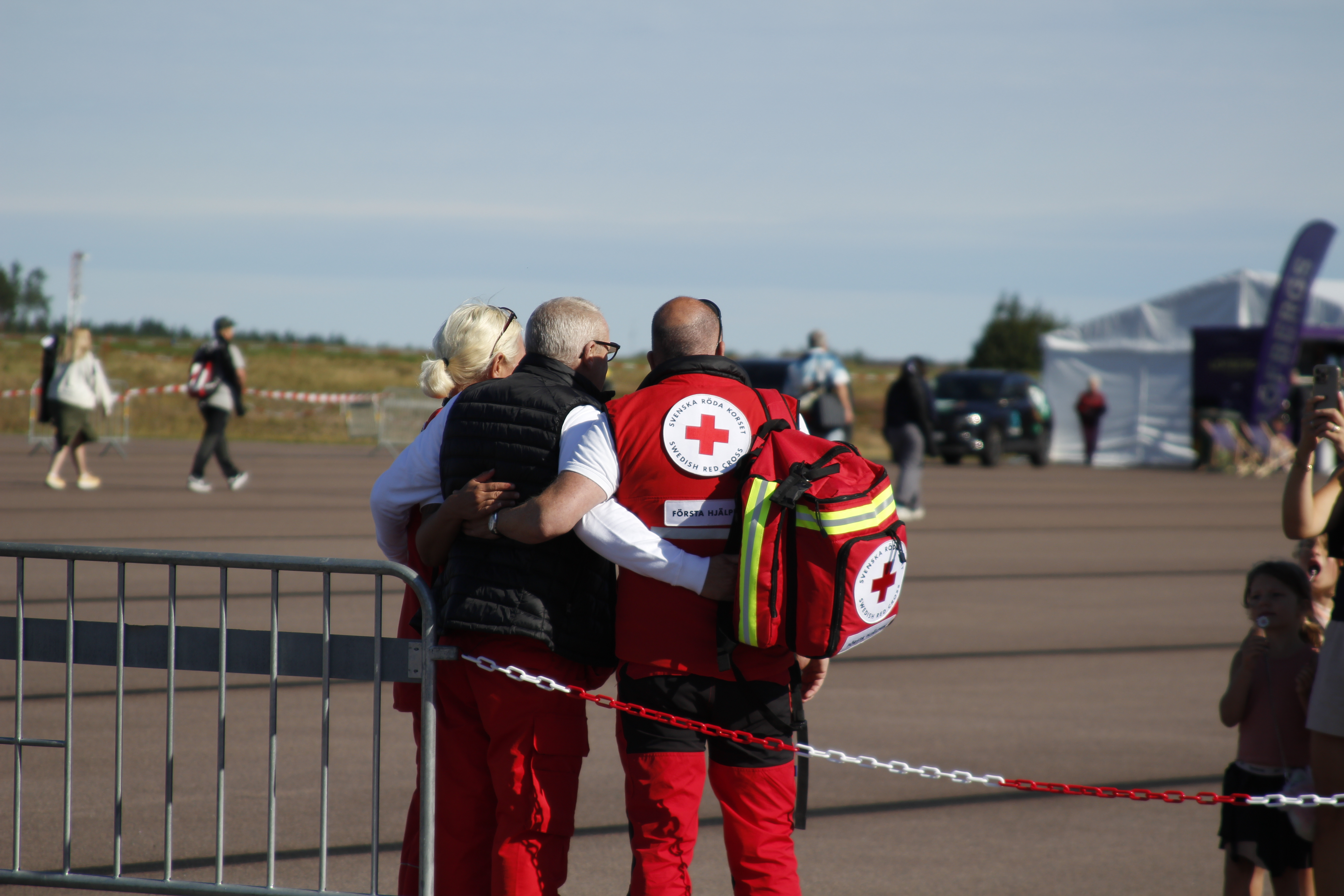
Sports clubs, faith communities and local associations are where many people first find belonging. Sweden's civil society remains resilient, but that resilience is being tested by threats and financial pressure.
In MUCF's survey of non-profit associations, 83 percent believed they had good prospects of operating in the coming years. At the same time, 23 percent reported violence, property damage, theft, threats or harassment connected to their activities during 2025.
Money is another constraint. Twenty-one percent said the economic situation had affected their ability to operate to a fairly or very large extent, while 20 percent named reduced public grants as a challenge. Almost half considered those grants very important.
These figures do not mean every association faces the same risk or relies on the same funding. They show why “voluntary” must not be mistaken for cost-free. Meeting rooms, safeguarding, insurance, translation, equipment and the time to administer grants all determine who can participate.
Associations are where many people first find a team, a language network, political influence or a community that recognises them. When organisers are threatened or the budget collapses, the loss is not confined to an organisation. It shrinks the public space in which belonging is built.
A strong civil society can absorb pressure. It should not be measured by how much pressure volunteers can endure.

DailySweden
DailySweden's desk of editors, reporters, researchers and investigative journalists. We bring readers factual, truthful and objective reporting on the issues that matter to them.
Contact the editorial desk ›