TUESDAY 1 SEPTEMBER· STOCKHOLM · THE DAY IN 5 STORIES

The same job can hide a different injury risk for women

Swedish inspectors trace the split to task allocation and resources, revealing why one workplace risk assessment can miss who carries the strain.
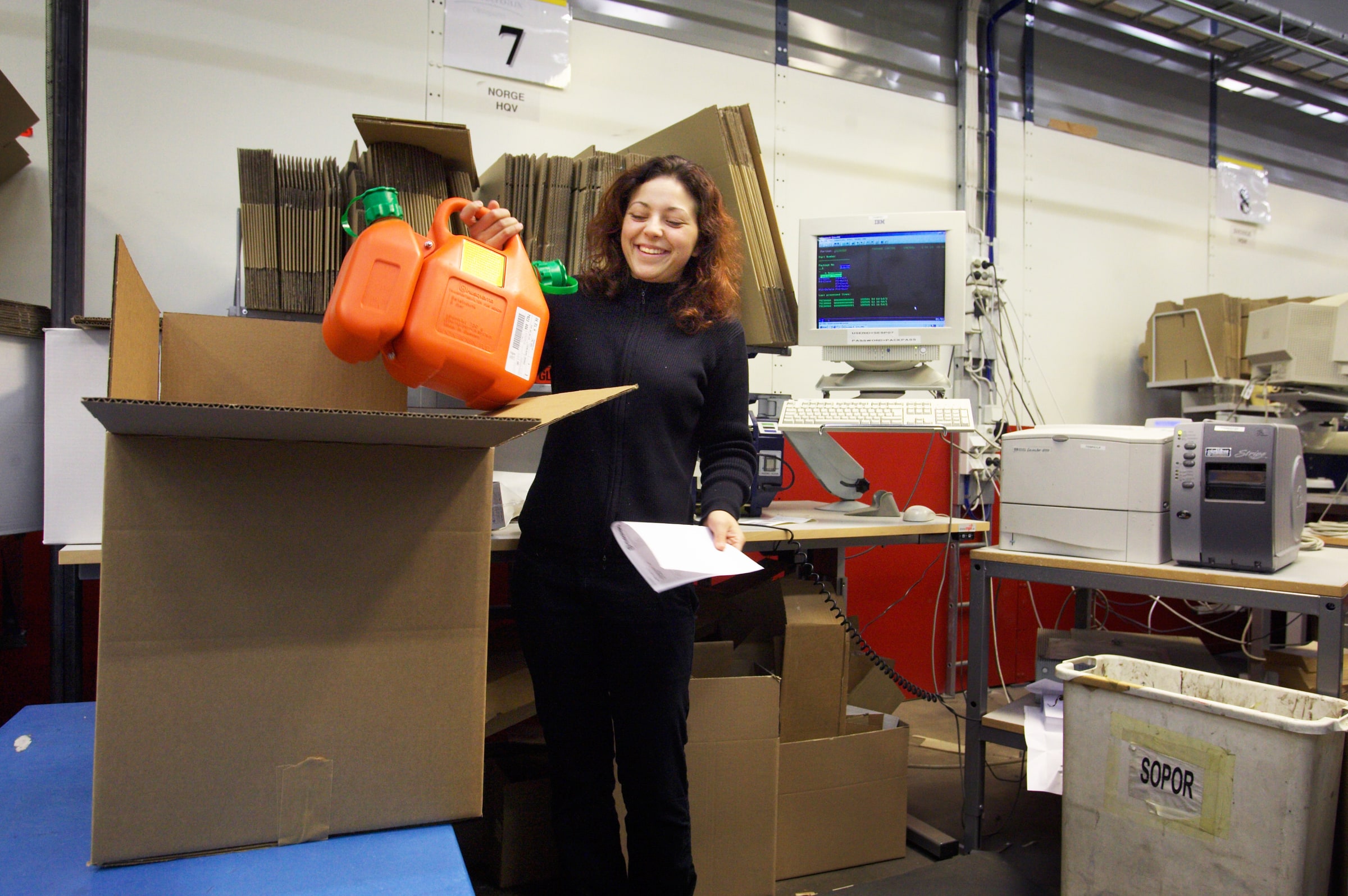
A warehouse worker in Sweden packs two orange containers into an open cardboard box.
A warehouse worker packs plastic containers into a cardboard box. Image: Magnus Fröderberg / Nordic Co-operation via Wikimedia Commons / CC BY 2.5 DK

Women on a warehouse line may spend the shift packing while male colleagues move pallets and drive forklifts. The job title can look shared even when repetition changes where injury builds.

Listen to this articleNarrated - 9:12

That was one example in the Work Environment Authority's 20 August discussion of why workplace risks are not gender-neutral. Inspector Carro Schylander said repetitive, one-sided tasks can cause musculoskeletal disorders even when employers regard them as lighter work.

The authority's 2024 figures show women filed 9,625 occupational-disease reports, more than twice the 4,213 filed by men. Men reported more accidents involving absence and 39 of the 40 fatal work accidents.

The agency says biology does not explain the illness gap. When women and men perform the same tasks, they generally suffer the same problems; within one occupation, women more often get repetitive, hand-intensive work. Staffing, schedules, control and equipment determine exposure.

A comparison across more than 60 municipalities found 73 percent of home-care managers had over 30 staff, against 10 percent in male-dominated technical services. Home care also had less equipment, support and time for managers to solve daily problems.

The practical answer is to assess the work people actually do, not the title on an organisation chart. Employers can split injury data by sex, map task rotation and recovery, and compare staffing and resources before the strain becomes a sick-leave case.

DailySweden logo

DailySweden

DailySweden's desk of editors, reporters, researchers and investigative journalists. We bring readers factual, truthful and objective reporting on the issues that matter to them.

Contact the editorial desk ›
All stories