
Racism is widespread in Sweden, but much of it goes unreported
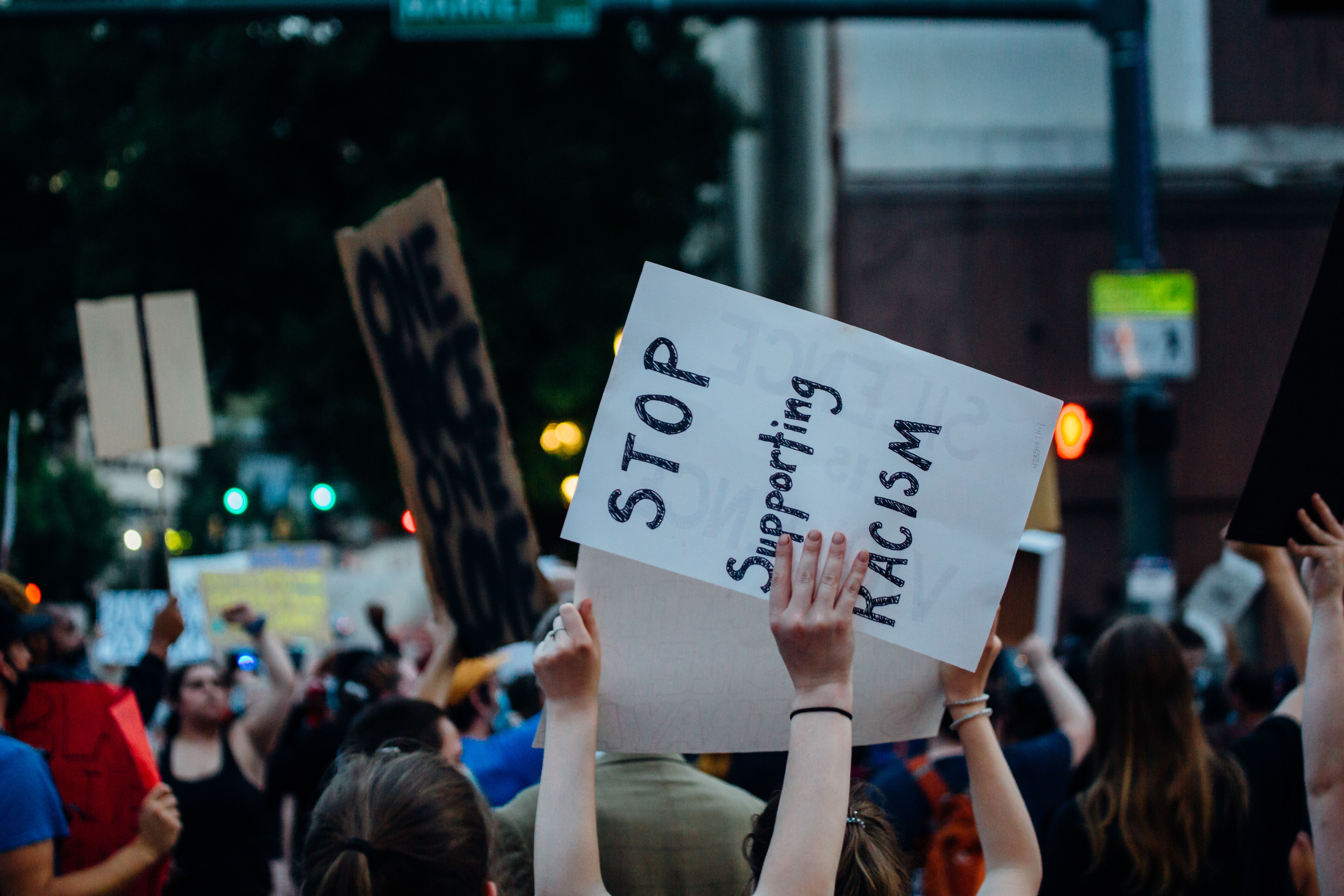
Swedish recruitment experiments found that applicants with Arabic-sounding names had less chance of being called to interview than equally qualified applicants with Swedish-sounding names. In a housing study, male applicants with Swedish-sounding names received more than twice as many viewing invitations as men with Arabic-sounding names. These are not misunderstandings or isolated insults. They are measurable disadvantages in access to work and housing.
Racism is widespread in Sweden, and much of it never becomes an official complaint, much less a court finding. The Equality Ombudsman estimates that between 600,000 and one million people experience discrimination each year across the seven grounds protected by law. In 2024, the authority received just over 4,500 complaints. Nearly 1,600 concerned discrimination connected to ethnicity, making it one of the most commonly reported grounds and the most common in working life.
The figures measure different things, so they cannot produce a simple reporting rate. But they expose the enormous distance between lived discrimination and the cases that reach the authority. The Ombudsman says many people do not report. Those who do often describe several events that accumulate into unequal treatment: fewer callbacks, repeated suspicion, exclusion from opportunities or pressure to change how they speak, dress or present themselves.
The UN Committee on the Elimination of Racial Discrimination laid out the barriers in its 2025 review of Sweden. It identified underreporting caused by victims' lack of trust in law enforcement, the normalisation of racism and hate crime, and the cost of legal proceedings. It also criticised failures to recognise and investigate racial discrimination and racist motives. Citing 2020 hate-crime data, the committee noted that only 6 per cent of registered cases were resolved, while most were closed with or without an investigation.
This is what “hard to prove” means in ordinary life. A rejected applicant may never see who advanced. A patient may not know whether someone else received faster or better care. A pupil may be asked to prove a pattern through one incident. A complaint can fail to meet a legal threshold even when repeated decisions, viewed together, show that one group consistently pays the price.
Sweden also limits what it can see by failing to collect sufficiently detailed data. The UN committee said the country's categories do not allow reliable analysis by ethnicity for groups including people of African and Asian descent, Roma, Sami and Muslim communities. That gap makes unequal outcomes in employment, education, healthcare and housing harder to identify, compare and correct.
Privacy matters, especially in a country with a history that gives minorities reason to distrust official classification. But the choice is not between compulsory ethnic registers and deliberate blindness. The UN recommends voluntary self-identification, anonymity and the meaningful participation of affected communities. Used carefully, such data can reveal patterns while protecting individuals.
A complaint is not automatic proof that the law was broken, and an experience reported in a survey is not a court judgment. Those distinctions protect due process. They must not be used to erase the scale of the evidence or demand an explicit slur before racism is taken seriously.
Victims do not need another declaration that Sweden rejects racism. They need safe reporting channels, affordable access to justice, institutions that compare outcomes instead of examining each decision in isolation, and an Equality Ombudsman with the mandate and resources to pursue structural cases. Racism survives when every victim is required to prove alone what the country refuses to measure together.

DailySweden
DailySweden's desk of editors, reporters, researchers and investigative journalists. We bring readers factual, truthful and objective reporting on the issues that matter to them.
Contact the editorial desk ›