SUNDAY 23 AUGUST· STOCKHOLM · THE DAY IN 5 STORIES

One quarter of active return cases face countries refusing forced returns

Domestic enforcement cannot by itself overcome governments that will not receive their nationals by force.
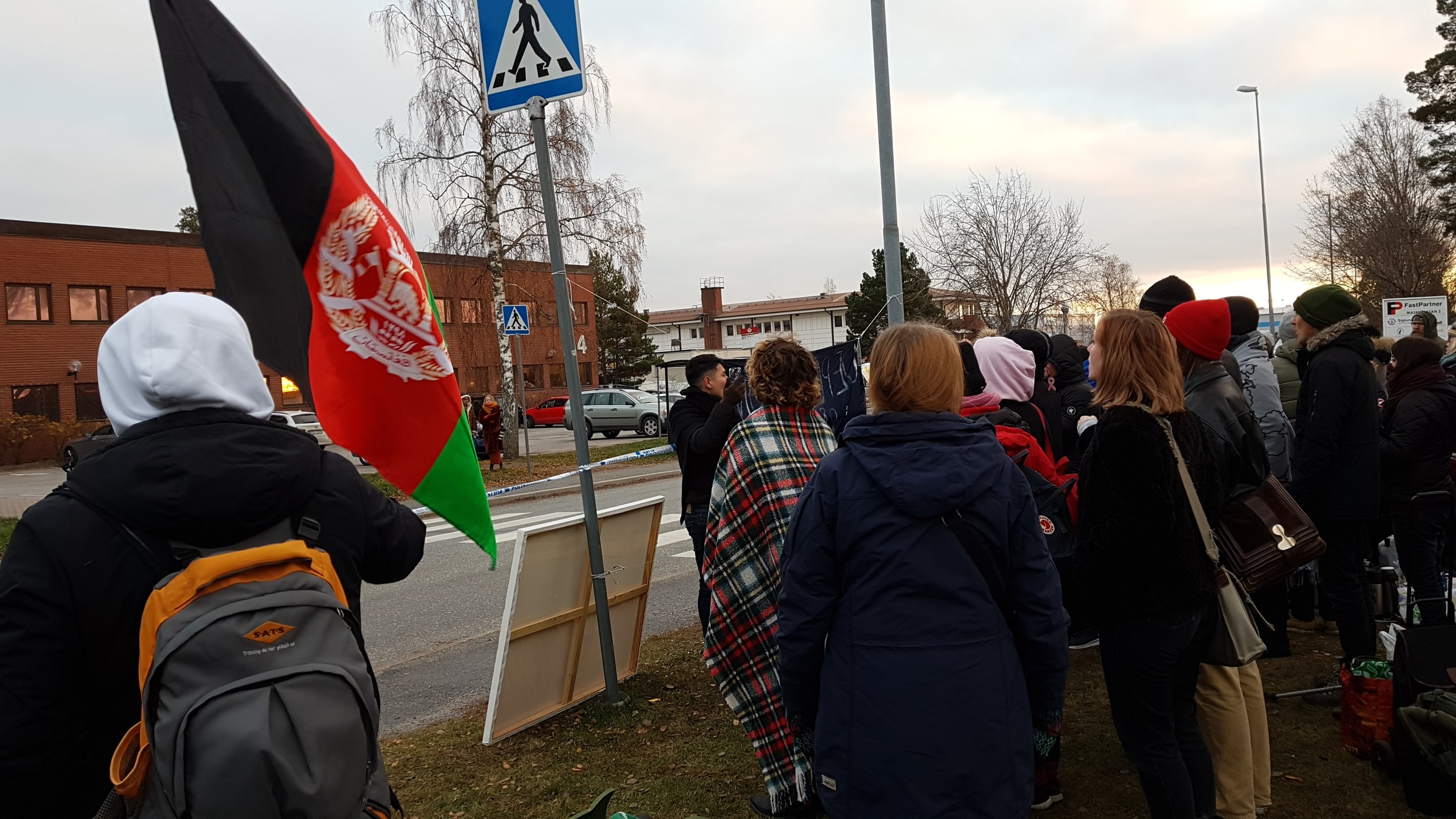
An Afghan flag rises above demonstrators gathered outside the Swedish Migration Agency detention centre in Märsta in November 2018.
Archive image: Demonstrators outside the Swedish Migration Agency detention centre in Märsta on 19 November 2018 before forced deportations to Afghanistan. The photograph does not show today's active return cases; Afghanistan is one of four countries named in the agency's 2025 caseload figure. Image: Ingrid Eckerman/Wikimedia Commons, CC BY-SA 4.0

Sweden can strengthen detention and enforcement at home, but one quarter of active return cases involve countries that do not accept forced returns. That external barrier remains even when Swedish authorities gain stronger powers over people inside the country.

Listen to this articleNarrated - 9:12

The government's return proposition expands detention, supervision and information tools. Its aim is to make more final return decisions executable and reduce the number of people remaining after a refusal.

The Migration Agency's annual report says one quarter of active return cases concerned nationals of Afghanistan, Eritrea, Iran and Cuba, countries that did not accept forced returns. That is an external limit on domestic coercion.

The share is a moving stock, not a permanent forecast. Diplomatic cooperation can change, and the absence of forced return does not rule out voluntary departure or another lawful transfer route.

Still, enforcement powers cannot make a receiving state issue papers, confirm identity or admit a person. Longer detention may increase cost and hardship without changing that underlying barrier.

Return policy should separate cases blocked by individual conduct from those blocked by interstate cooperation, then publish outcomes for each group. Otherwise government can claim stronger enforcement while the hardest quarter remains governed by diplomacy rather than any power Swedish authorities exercise at home.

DailySweden logo

DailySweden

DailySweden's desk of editors, reporters, researchers and investigative journalists. We bring readers factual, truthful and objective reporting on the issues that matter to them.

Contact the editorial desk ›
All stories